Pompeii.
Porta di Stabia or Stabian Gate.
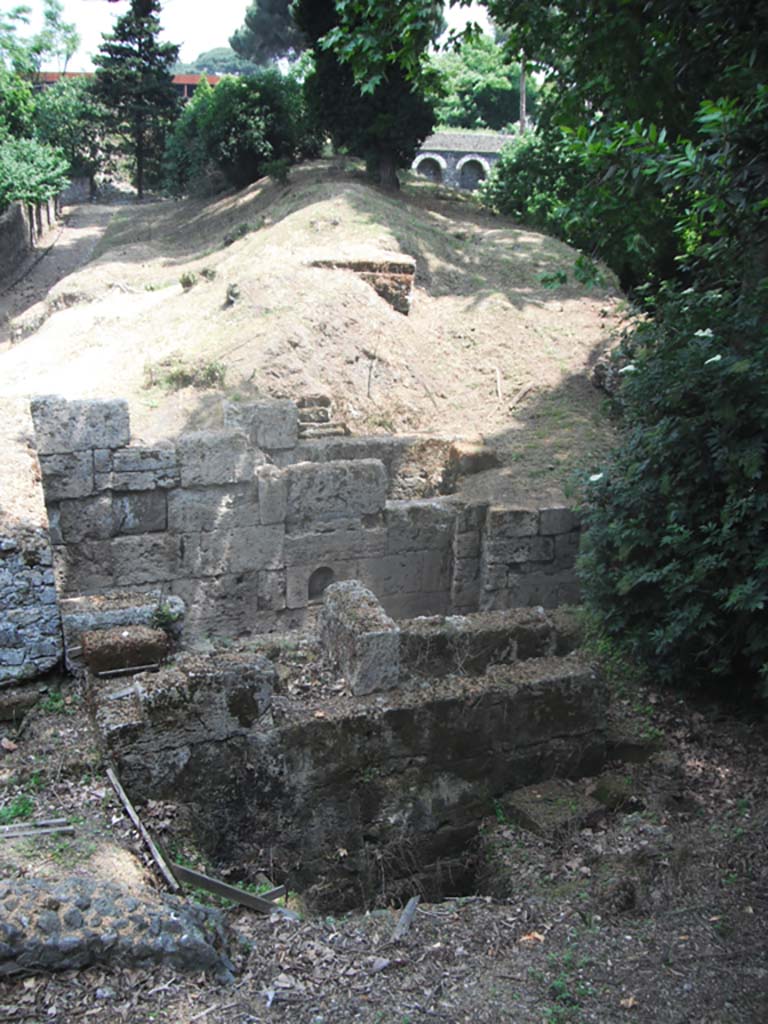
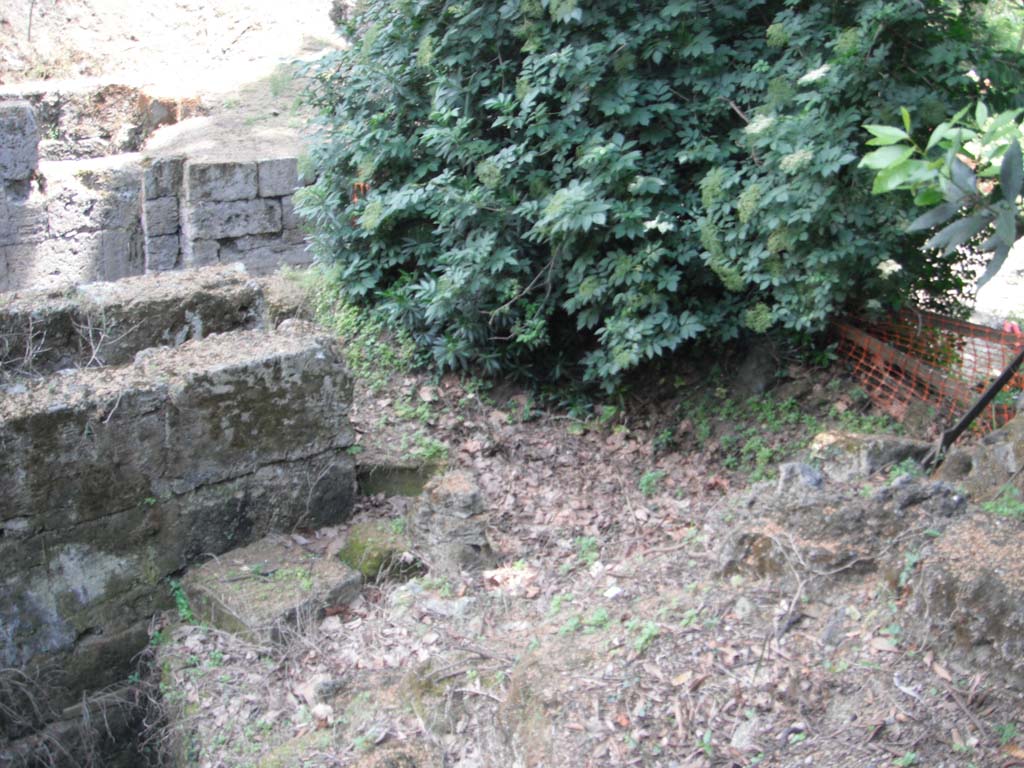
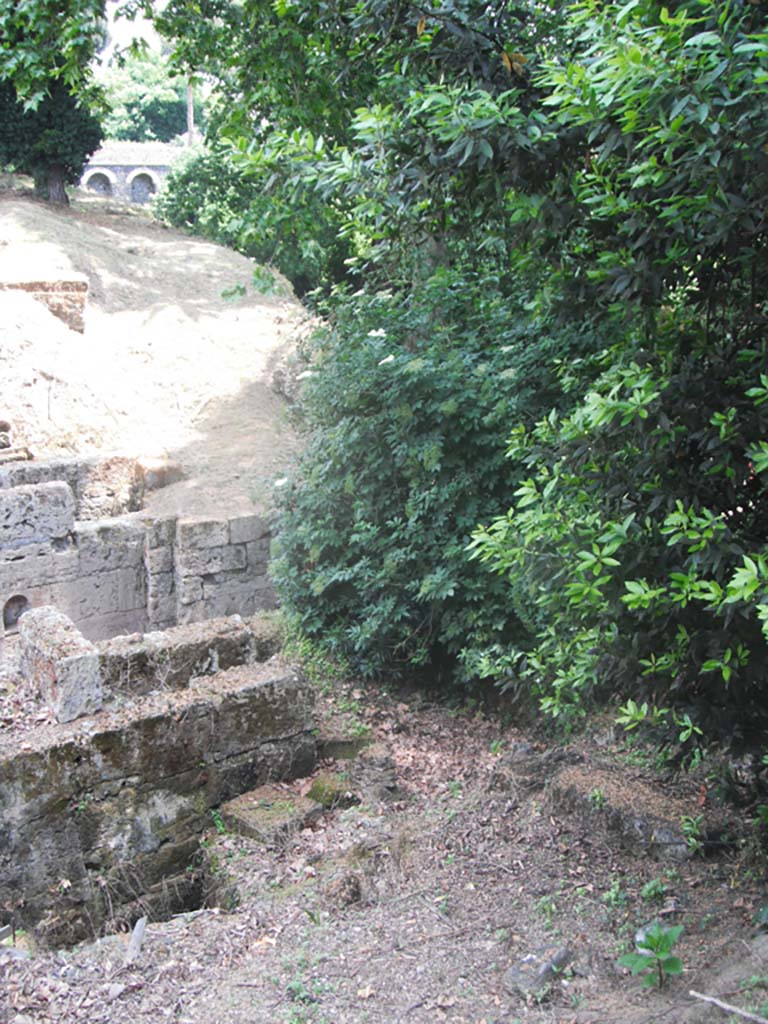
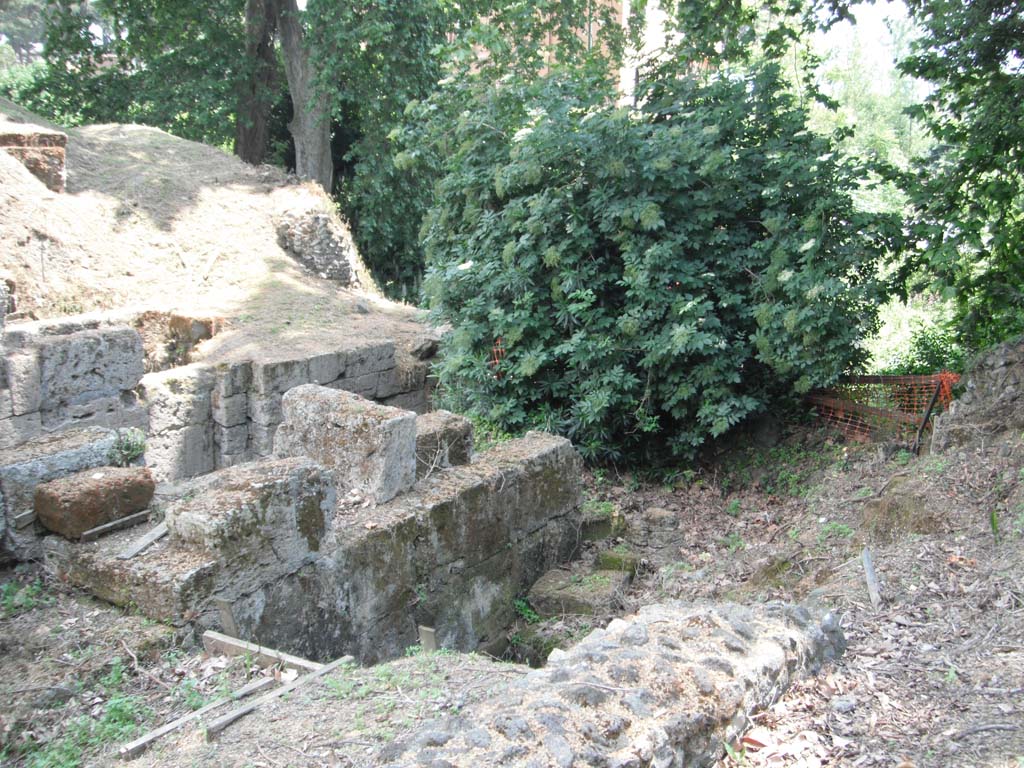
South-west side of gate
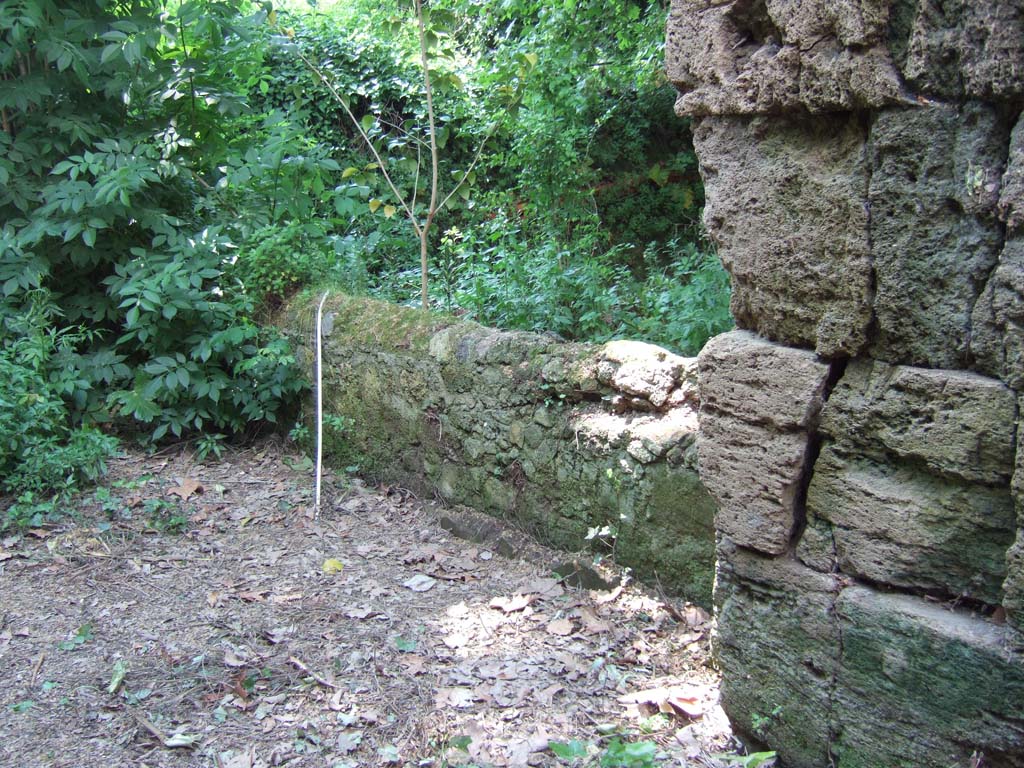
Pompeii Stabian Gate. May 2006. South-west side.
Near here on the 11th of October 1889, “at approximately 10 metres if you are exiting and turn to the right’ were two bodies, a man and a woman lying side by side. Salvatore Cozzi made two plaster casts.
See Garcia y
Garcia, L., 2006. Danni di guerra a
Pompei. Rome: L’Erma di Bretschneider. (p. 193-4, Figg. 451-3).
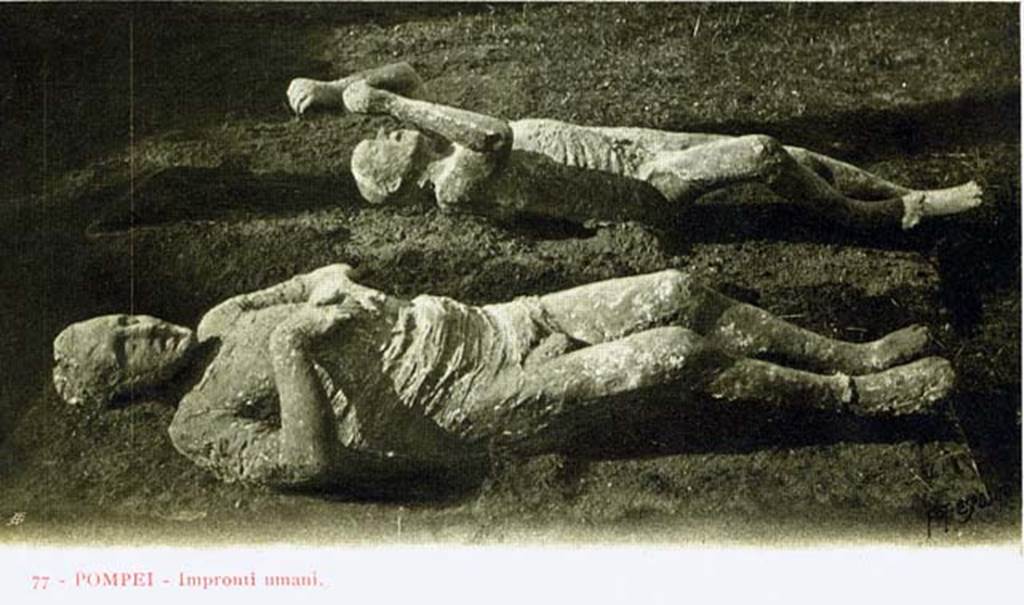
Pompeii Stabian Gate. Old postcard of victims numbered 14 and 15. Photo courtesy of Rick Bauer.
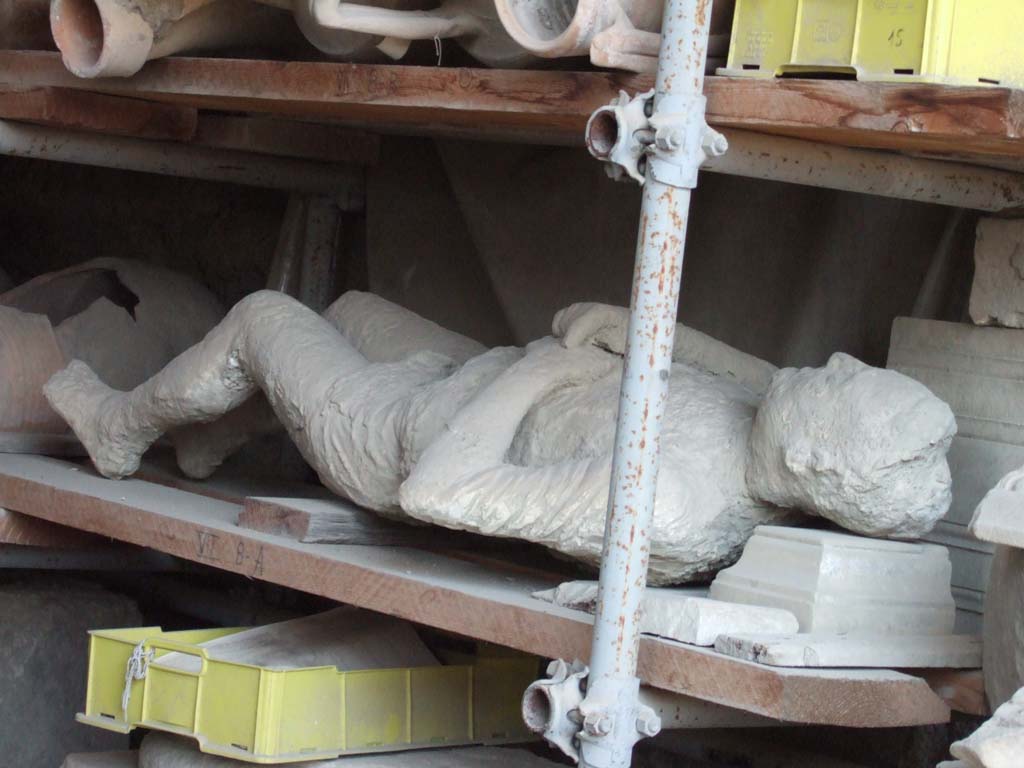
VII.7.29 Pompeii. May 2006. Forum Granary store. Plaster cast of body, known as victim number 13.
Garcia y Garcia described a mature man, already old, but perhaps still vigorous, fallen on his back, wrapped in a wide cape, with hands on his chest and with slightly drawn up legs.
He had a fine aquiline nose, and a smile was on his lips. On the right leg was a circular ring that denoted a slave.
This plaster cast was obtained outside the Stabian Gate on the 11th of October 1889, at approximately 10 metres if you are exiting and turn to the right.
A plaster cast was also made of a woman who was found next to this man.
See Garcia y
Garcia, L., 2006. Danni di guerra a Pompei. Rome: L’Erma di Bretschneider. (p. 193-4,
Figg. 451-3).
According to Dwyer, this plaster cast was of victim number 14.
See Dwyer, E., 2010. Pompeii’s Living Statues. Univ. of Michigan Press: (p.103)
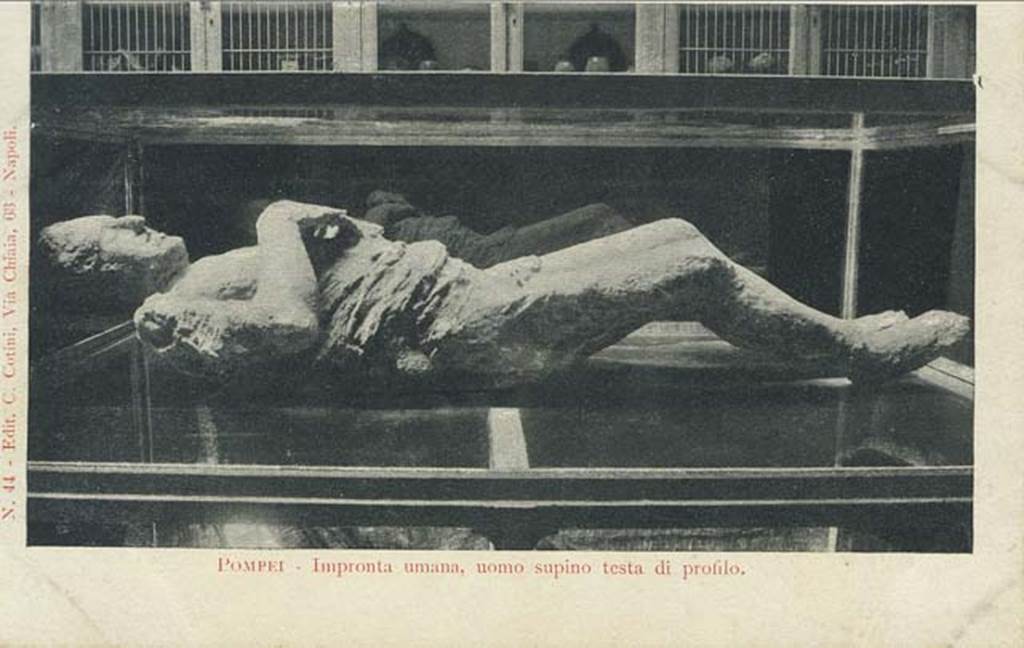
Pompeii Stabian Gate.
Old undated postcard showing human plaster cast made on 11th October 1889, and on display in the Antiquarium in this photo.
Known as victim No.13, see explanation above. Photo courtesy of Rick Bauer.
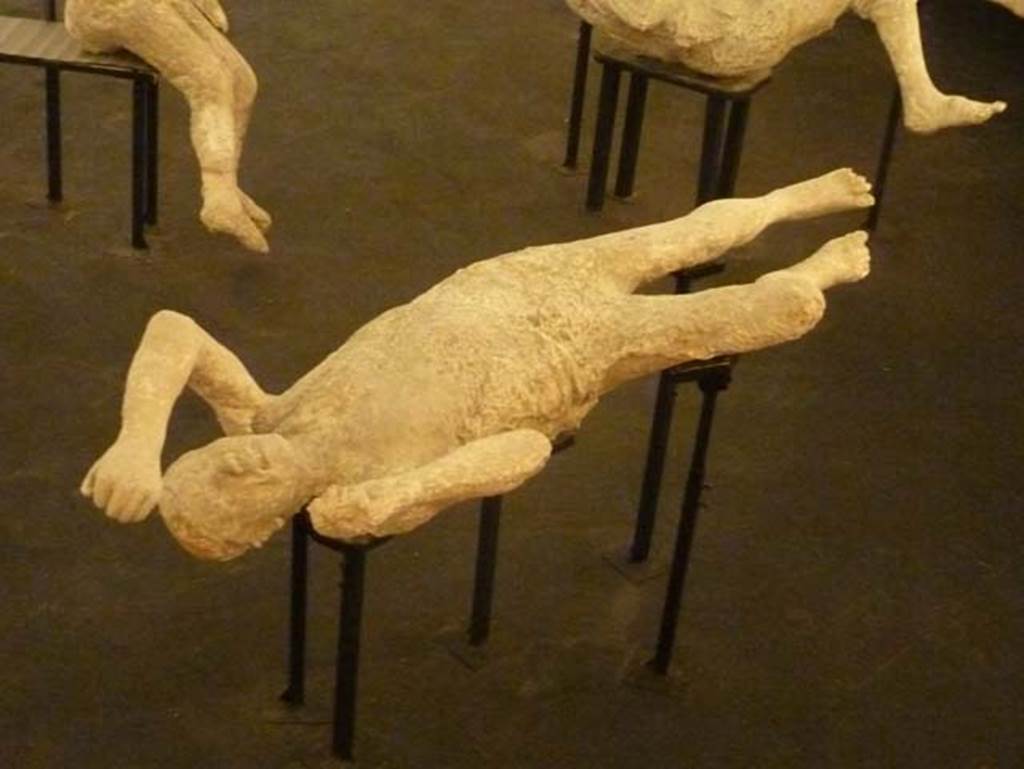
Pompeii Stabian Gate. September 2015.
Plaster cast of victim numbered 14 (or 15?), a woman of mature age, see explanation below.
Exhibit from the Summer 2015 exhibition in the amphitheatre.
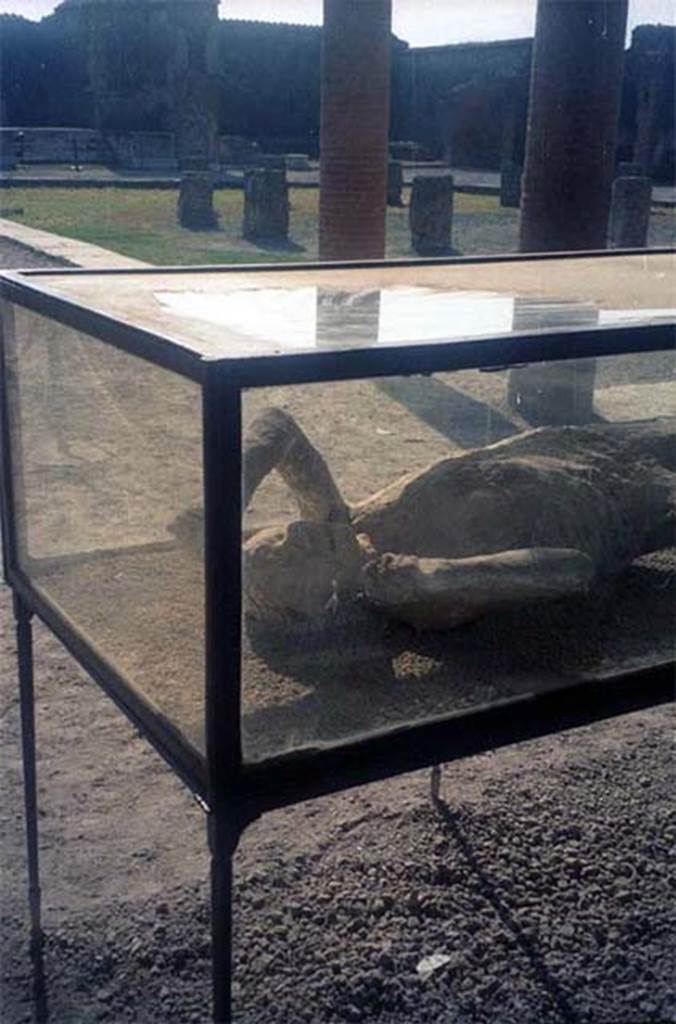
VII.9.7 and VII.9.8 Pompeii. July 2011. Plaster cast, photographed on display in Macellum.
Known as victim no.14, this victim was also recovered near the Stabian Gate on 11th October 1889.
See Garcia y
Garcia, L., 2006. Danni di guerra a Pompei. Rome: L’Erma di Bretschneider. (p. 193-4, Figg.
451-3).
According to Dwyer, described as victim no. 15, this plaster cast was a woman of mature age.
She had been found lying face down on her stomach and half-clothed, her arms stretched before her.
See Dwyer, E., 2010. Pompeii’s Living Statues. Univ. of Michigan Press: (p.106-7)
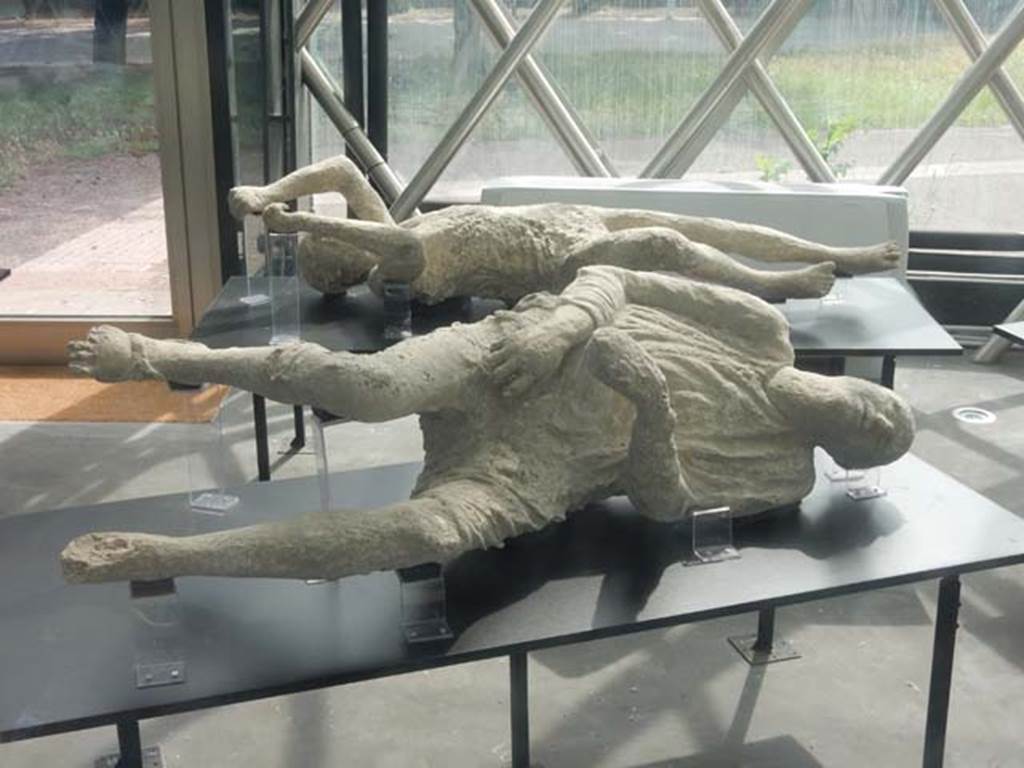
Pompeii. May 2018. General view of two more plaster-casts. Photo
courtesy of Buzz Ferebee.
At the rear is the plaster-cast of Victim known as no.14 or 15.
According to Garcia y Garcia, she was known as
victim no.14.
This victim was recovered from near the Porta
Stabia on 11th October 1889.
She had fallen face down but was always
displayed as if she was found lying on her back.
See Garcia y Garcia, L.,
2006. Danni di guerra a Pompei. Rome: L’Erma di Bretschneider. (p. 193-4, Figg. 451-3).
According to Dwyer, described as victim no. 15,
this plaster cast was a woman of mature age.
She had been found lying face down on her
stomach and half-clothed, her arms stretched before her.
See Dwyer, E., 2010. Pompeii’s Living Statues. Univ. of Michigan Press: (p.106-7)
In the foreground
is the plaster-cast known as Victim 16, the heavily clothed man.
According to Notizie degli Scavi,
(1890, P.128) the body of a man wrapped in his cloak and lying on his left
side was found on 12th March 1890 in the excavations outside of the
Stabian Gate. It was of a young man, of slender figure, lying on his left side,
wound up in his cloak and wearing short pants which exposed his legs from above
the knee. On his right foot could be clearly seen the sandal he was wearing.
See Dwyer, E., 2010. Pompeii’s Living Statues. Ann Arbor: Univ. of Michigan Press.
(p.107-8).

Pompeii. May 2018. Detail of Victim known as number 16, found outside the Stabian Gate. Photo courtesy of Buzz Ferebee.
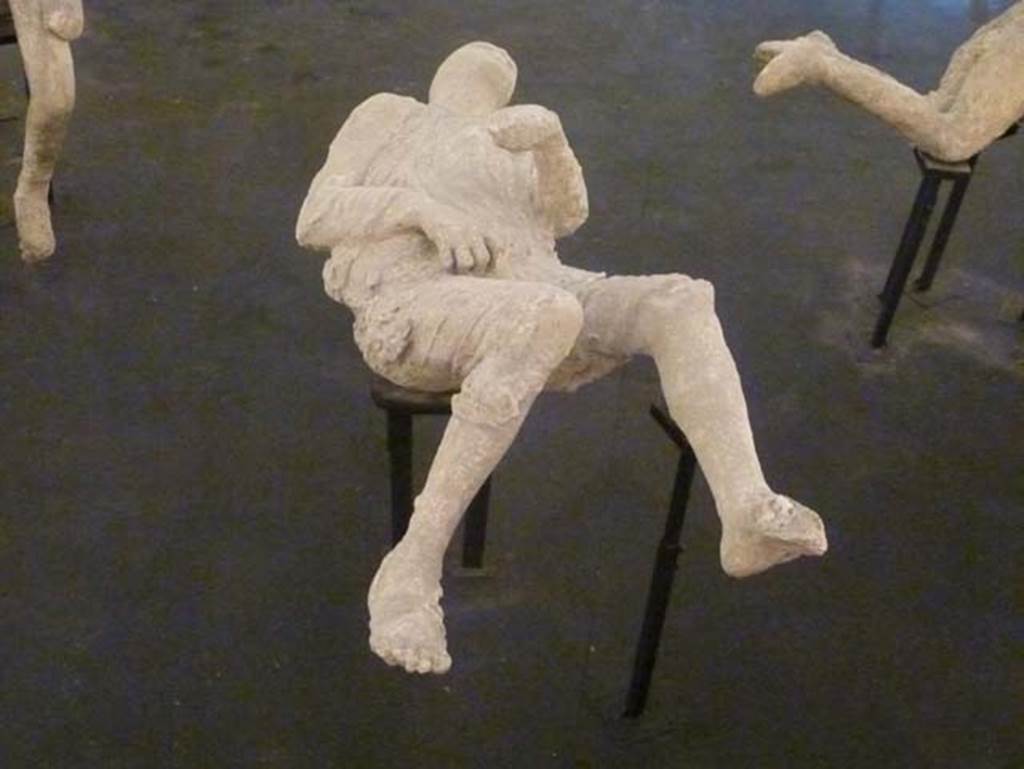
Pompeii, September 2015. On display as an exhibit in the Summer 2015 exhibition in the amphitheatre.
Plaster cast of victim numbered 16, found 12th March 1890 outside of the Porta Stabiana.
According to NdS, 12th March 1890, following the excavation of the agger on the right going out from Porta Stabiana, at a distance of about 72 metres from the Gate, the imprint of a human body was found in the compacted layer of ash. Sig. Salvatore Cozzi directed the operation to cast the plaster-cast.
The reproduction was one of the best and most successful made up until that time.
The cast represented a young slim male, lying on his left side, wrapped in a cloak and with short pants that exposed his legs below the knee.
The sandal he was wearing was clearly seen on his right foot.
Nothing more could be said of the left leg, because this and the hand turned out badly. Height 1.55 metres.
See Notizie degli Scavi, 1890, p.128
See Dwyer, E., 2010. Pompeii’s Living Statues. Ann Arbor: Univ of Michigan Press. (p.107 and fig.48).
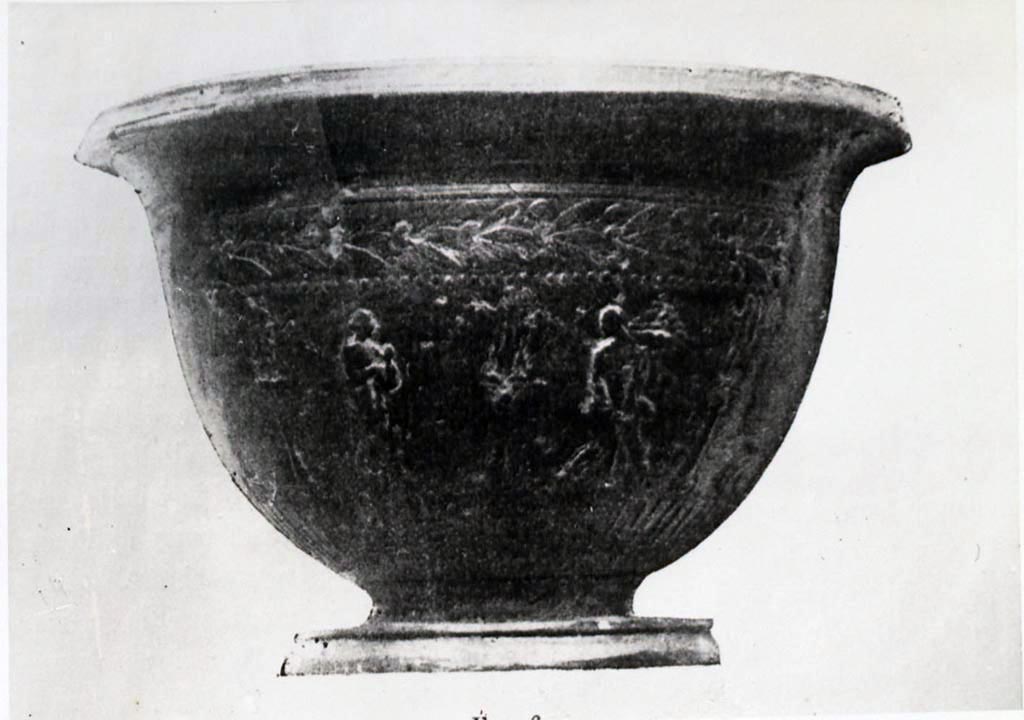
Pompeii Stabian Gate. Vase found c.1910 in front of the Porta Stabia.
See Warscher T.,
1936. Codex Topographicus Pompeianus
Regio I.1, I.5. Rome: DAIR. No. 4.
See Notizie degli Scavi di Antichità, 1910,
p. 568.
Upper west side of gate.
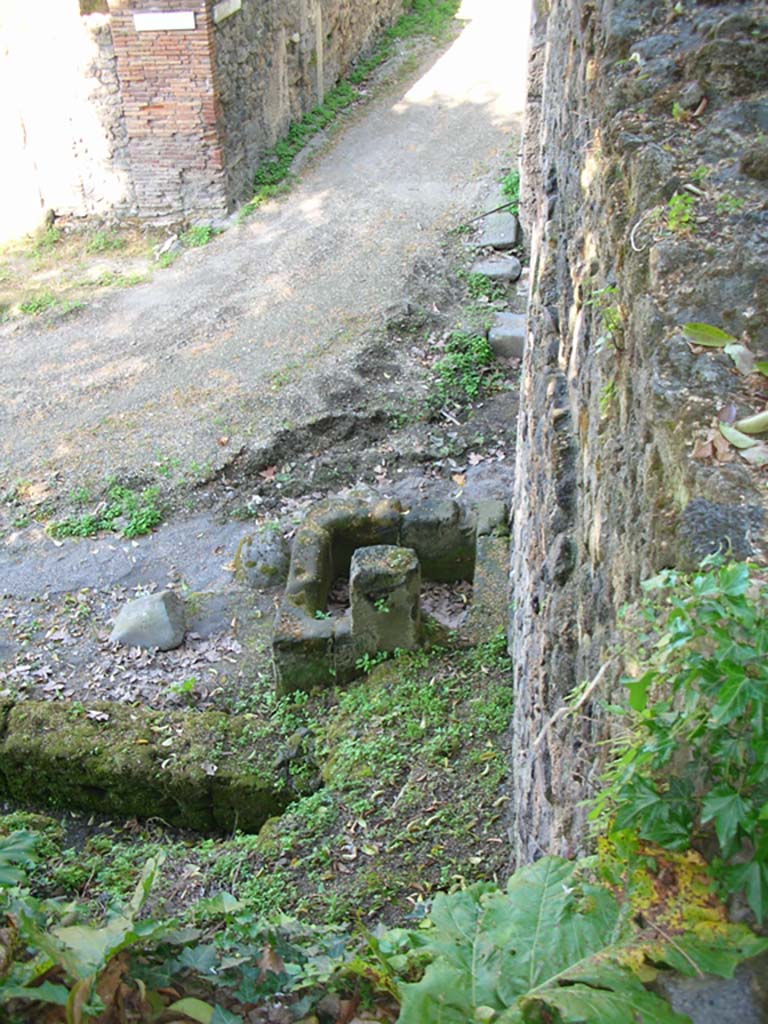
Porta Stabia, Pompeii. May 2010.
Looking east from upper west side, towards fountain on north side of gate. Photo courtesy of Ivo van der Graaff.
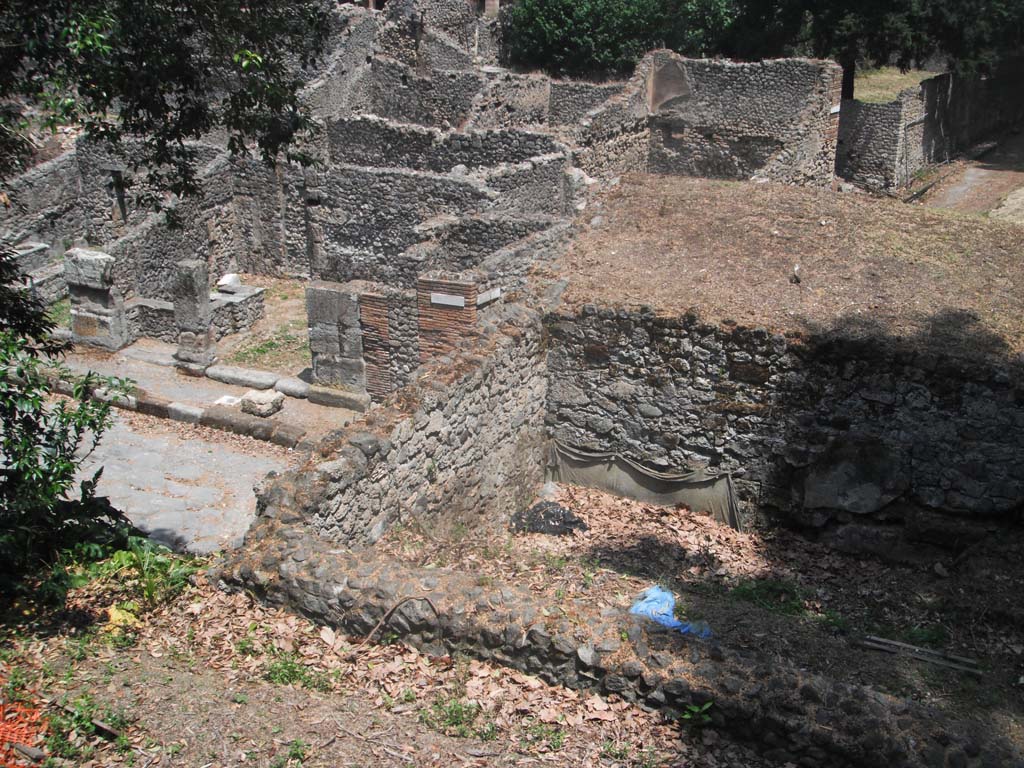
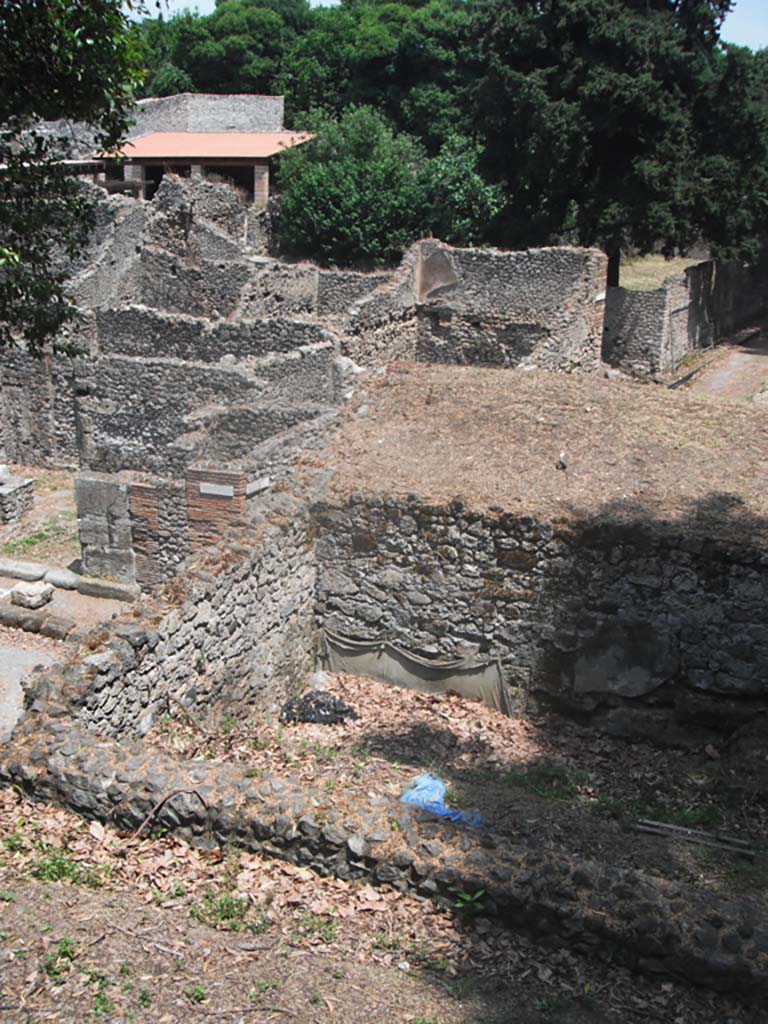
Porta Stabia, Pompeii. May 2011.
Looking north-east across upper west side of gate. Photo courtesy of Ivo van der Graaff.
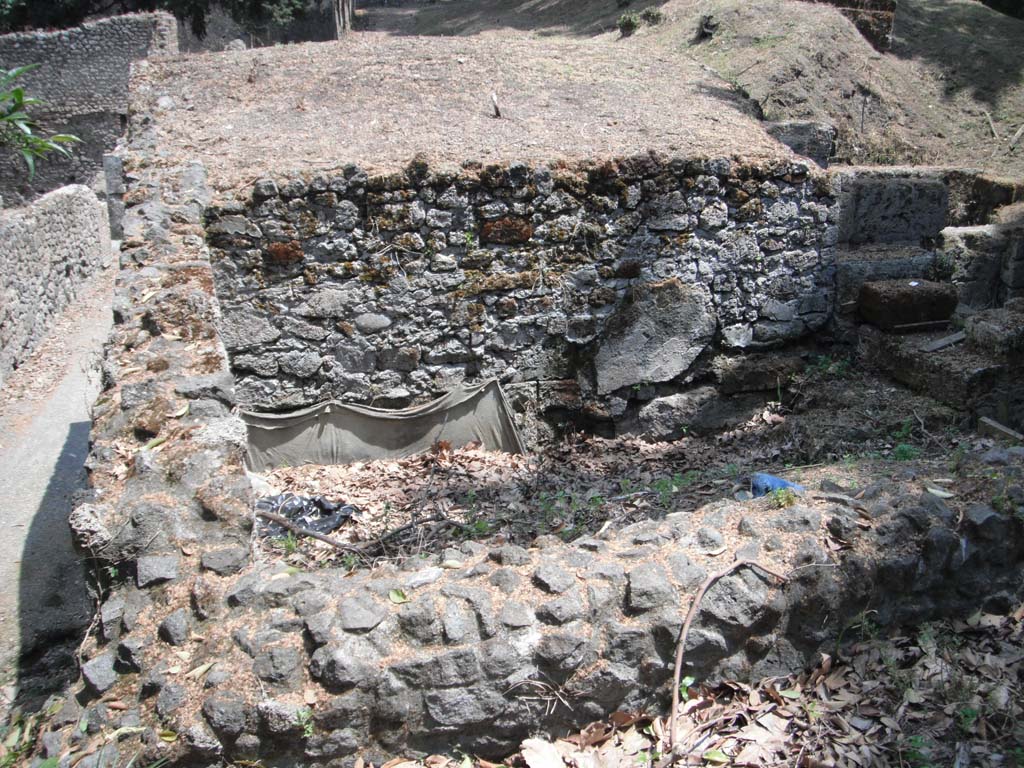
Porta Stabia, Pompeii. May 2011. Looking east along upper west side of gate at north end. Photo courtesy of Ivo van der Graaff.
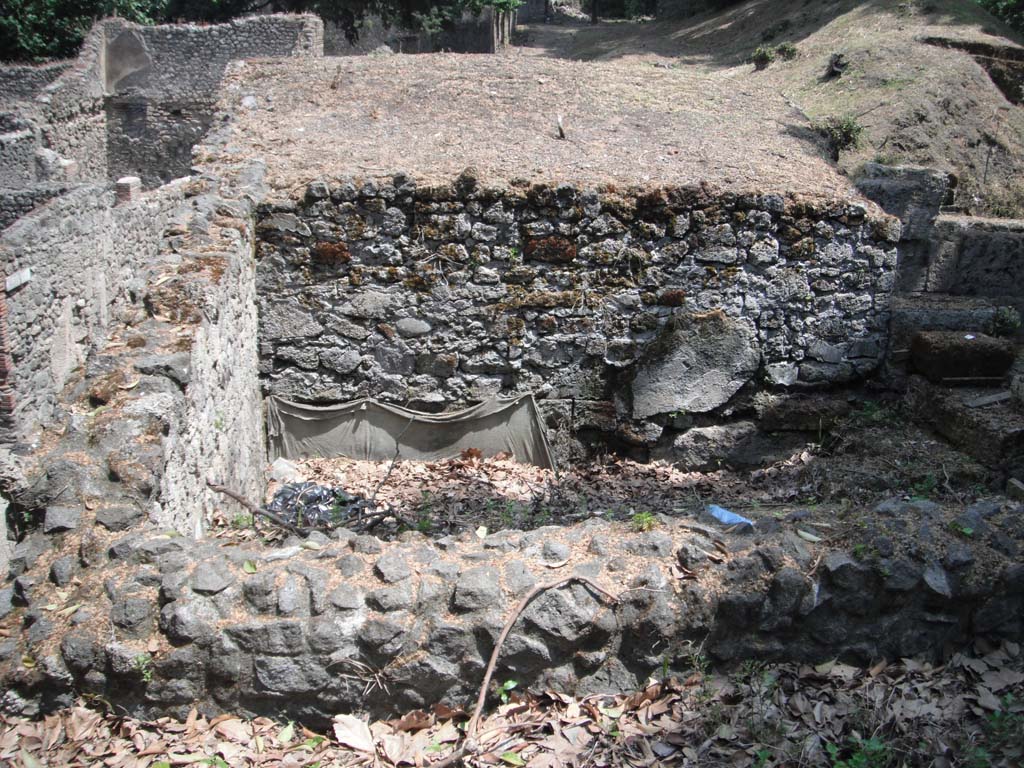
Porta Stabia, Pompeii. May 2011. Upper west side of gate, looking east. Photo courtesy of Ivo van der Graaff.
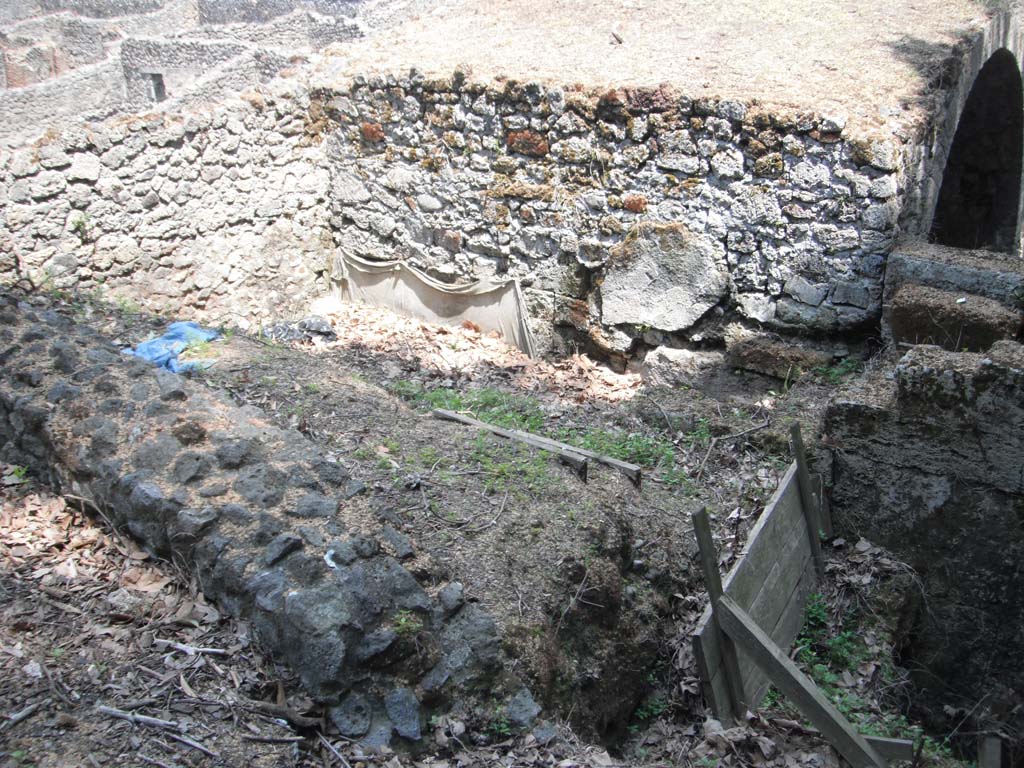
Porta Stabia, Pompeii. May 2011. Looking north-east on upper west side of gate at north end. Photo courtesy of Ivo van der Graaff.
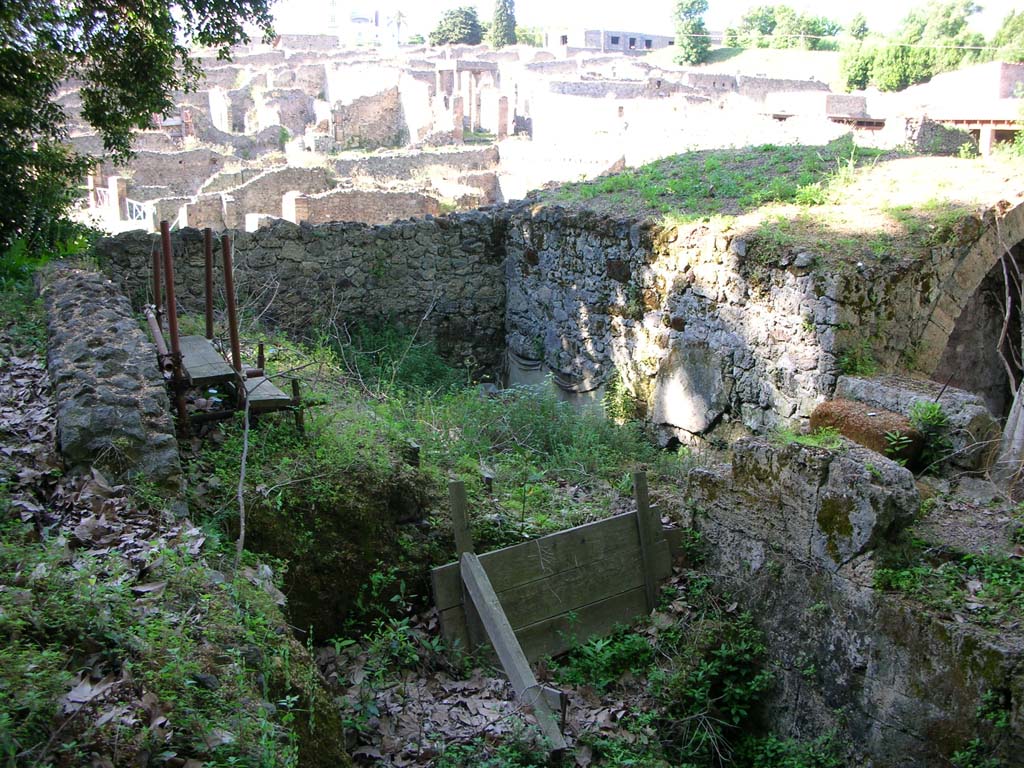
Porta Stabia, Pompeii. May 2010. Upper west side, looking north, continuation from above. Photo courtesy of Ivo van der Graaff.
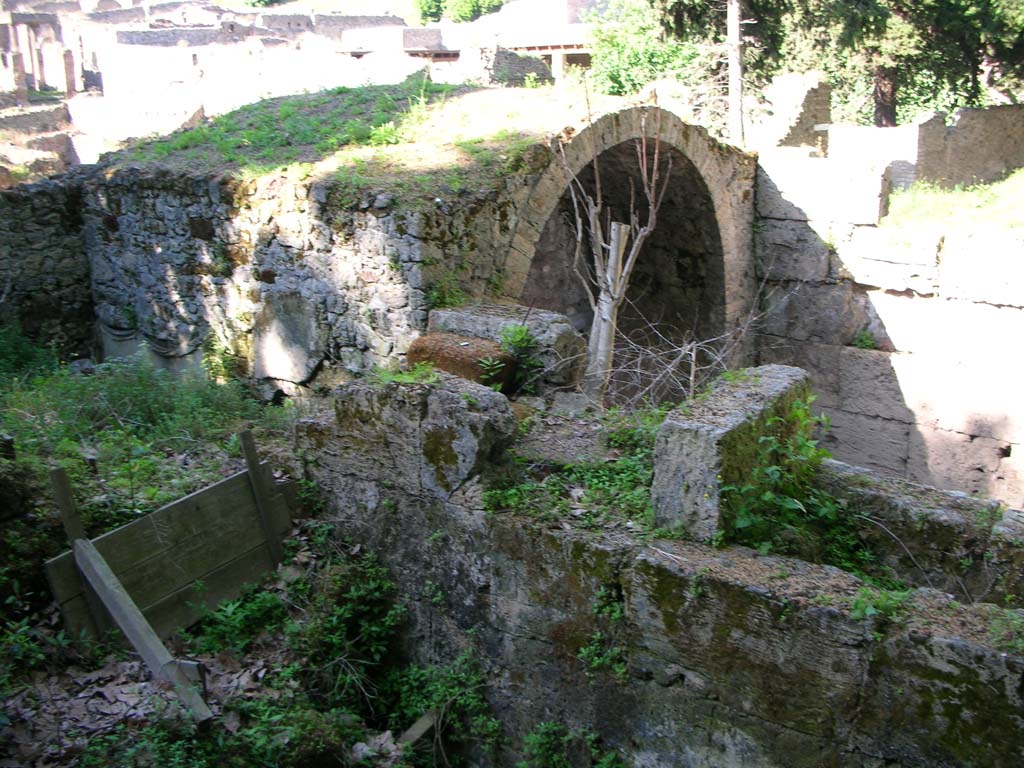
Porta Stabia, Pompeii. May 2010. Upper west side, looking north-east, continuation from above. Photo courtesy of Ivo van der Graaff.
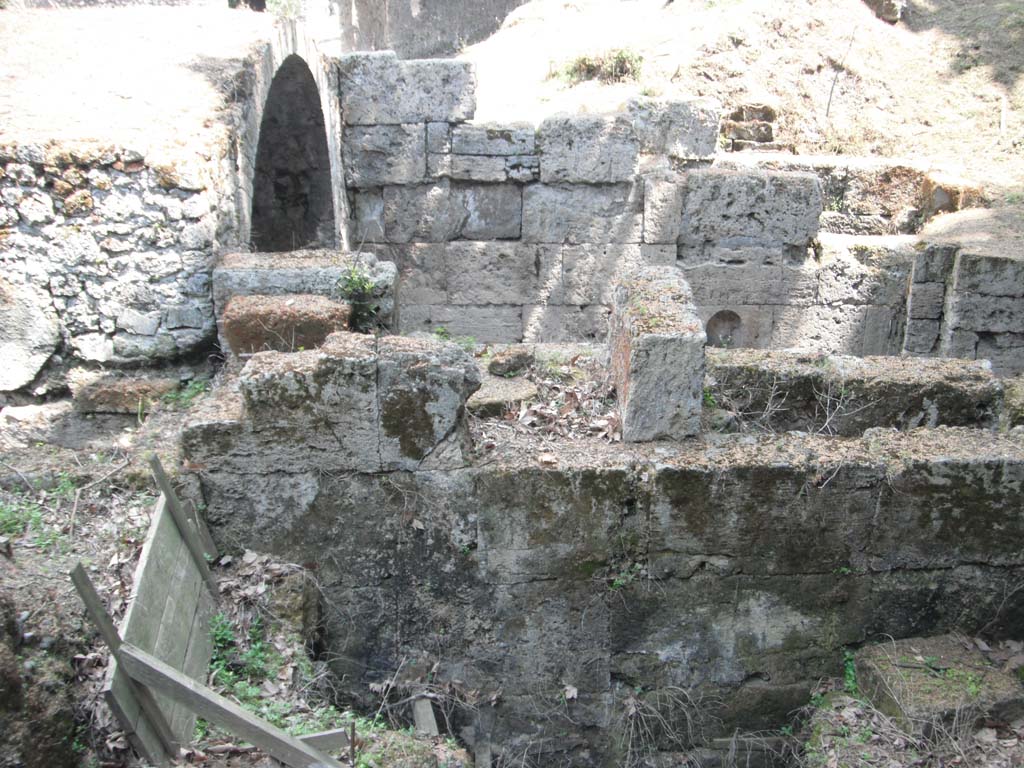
Porta Stabia, Pompeii. May 2011.
Upper west side of gate, looking east, continuation from above photo. Photo courtesy of Ivo van der Graaff.
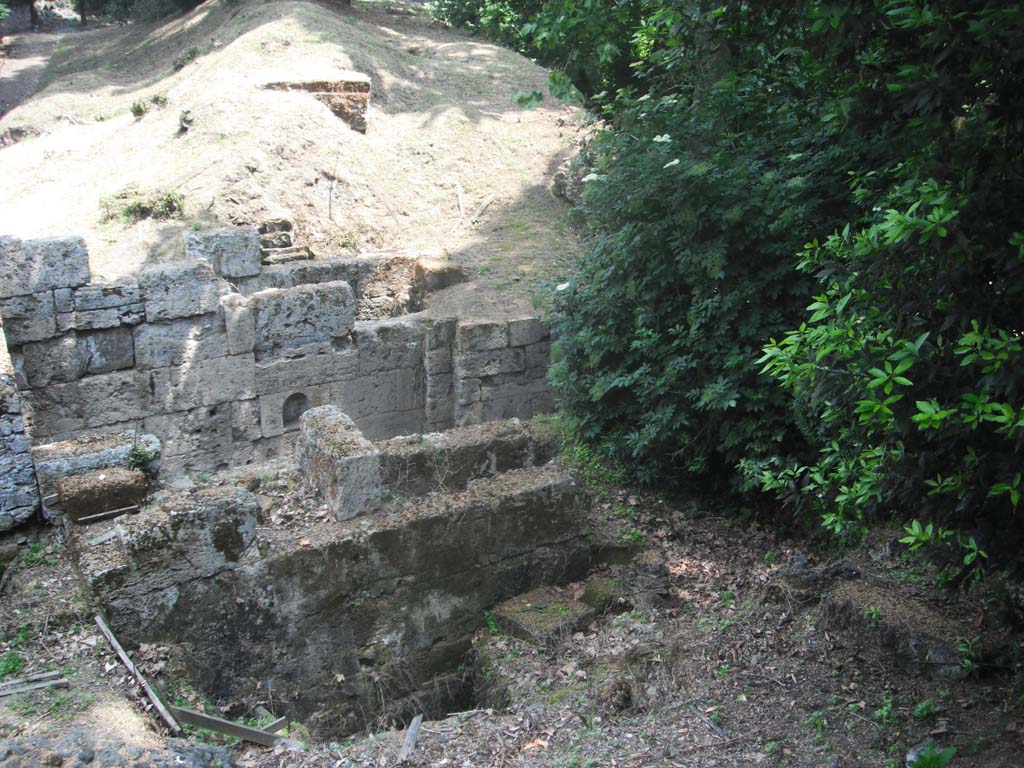
Porta Stabia, Pompeii. May 2011.
Looking south-east from upper west side, continuation from above. Photo courtesy of Ivo van der Graaff.
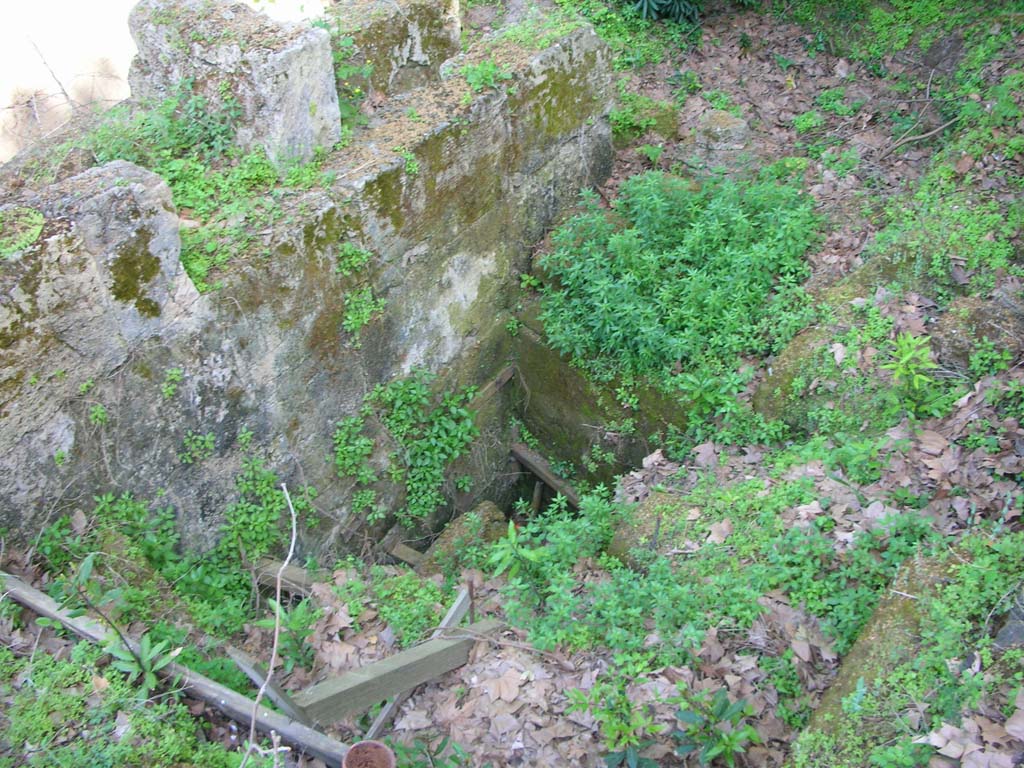
Porta Stabia, Pompeii. May 2010. Upper west side, looking south-east, detail. Photo courtesy of Ivo van der Graaff.
Porta Stabia, Pompeii. May 2011.
Looking east from upper west side, continuation. Photo courtesy of Ivo van der Graaff.
Porta Stabia, Pompeii. May 2011.
Upper west side of gate, looking south-east, continuation. Photo courtesy of Ivo van der Graaff.
Porta Stabia, Pompeii. May 2011.
Upper west side of gate, looking south-east, continuation. Photo courtesy of Ivo van der Graaff.
Porta Stabia, Pompeii. May 2011.
Upper west side of gate, looking south-east, continuation from above photo. Photo courtesy of Ivo van der Graaff.
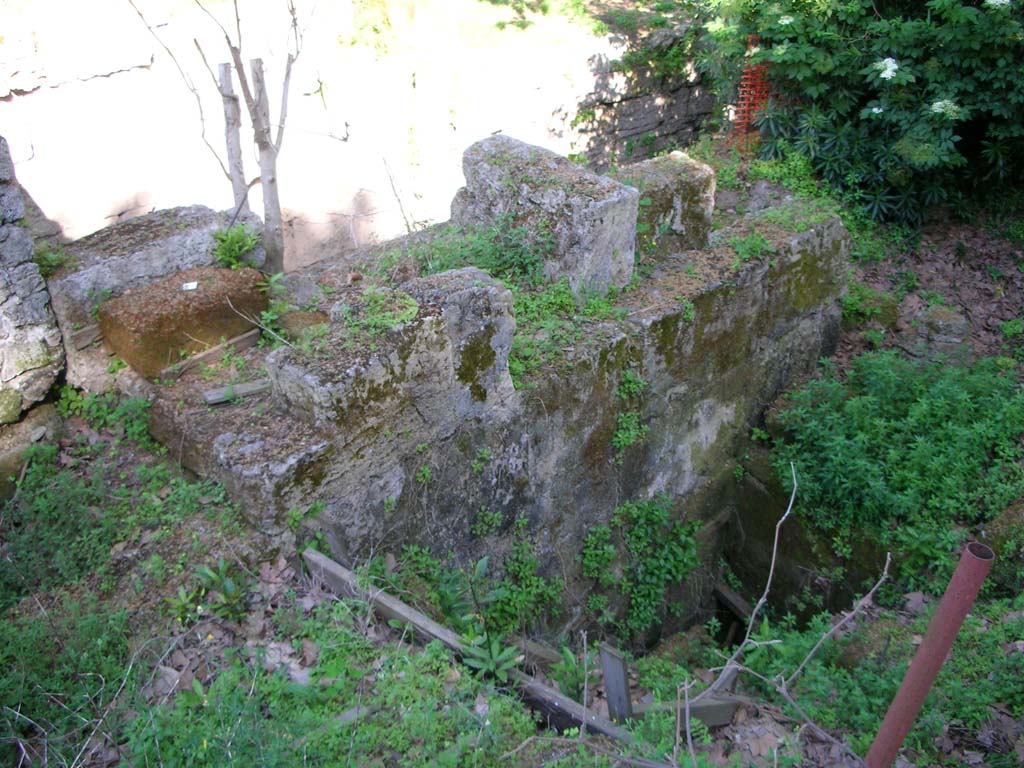
Porta Stabia, Pompeii. May 2010. Upper west side, looking south-east, continuation from above. Photo courtesy of Ivo van der Graaff.
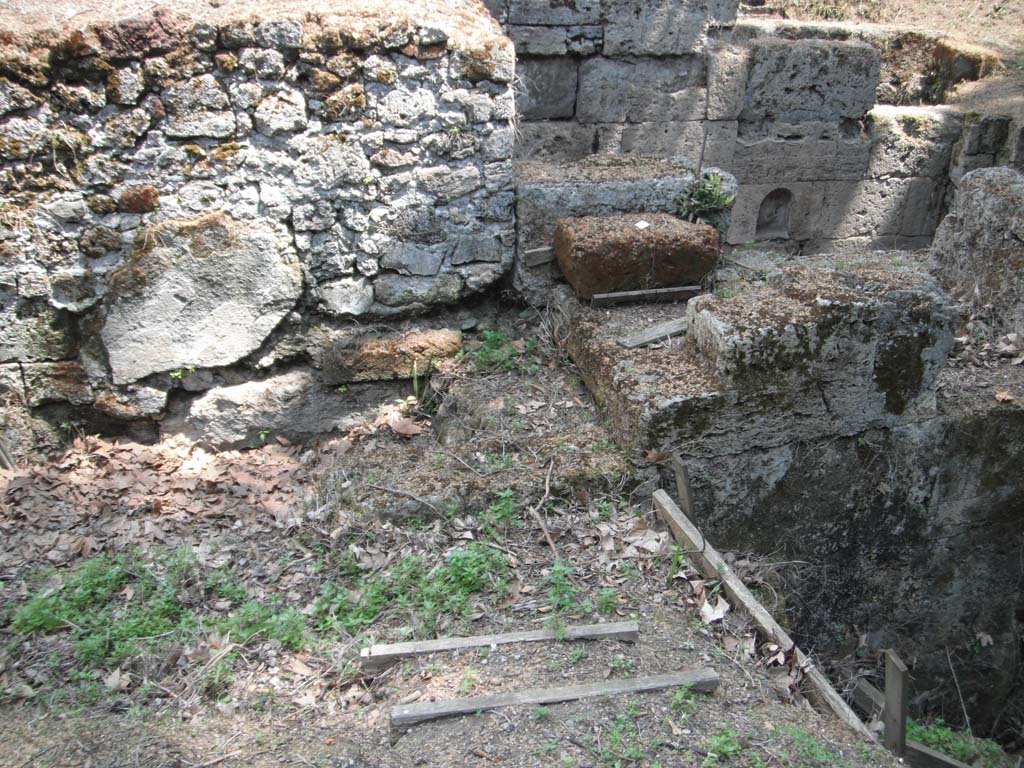
Porta Stabia, Pompeii. May 2011. Upper west side of gate, looking east, detail from above photo. Photo courtesy of Ivo van der Graaff.
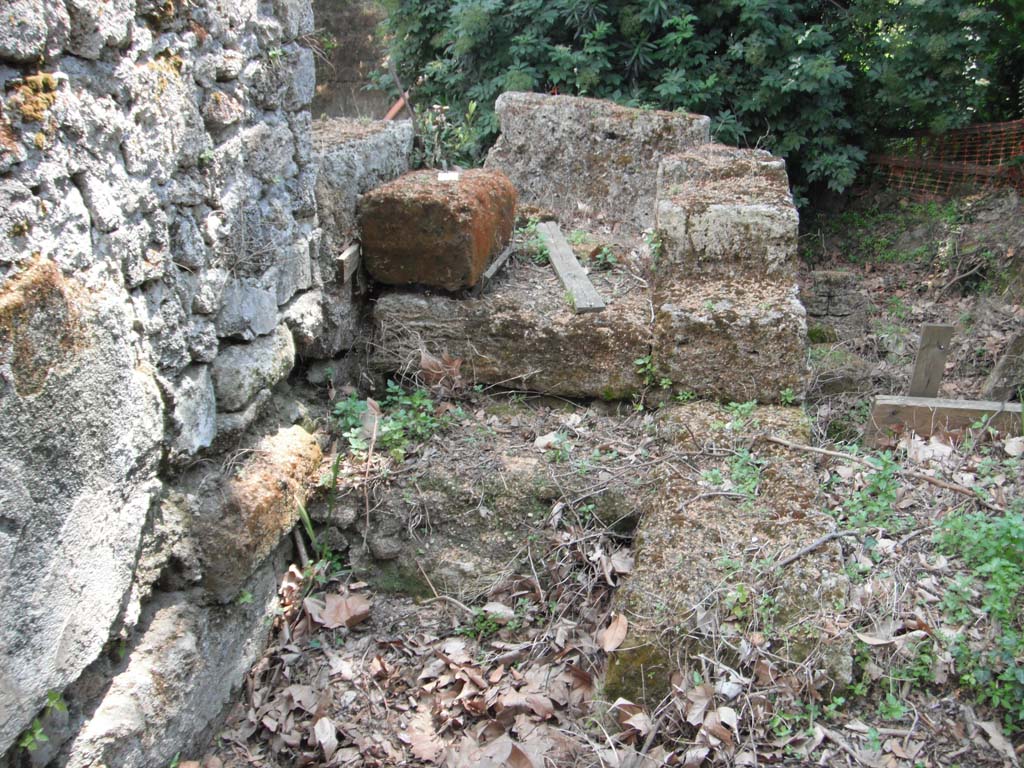
Porta Stabia, Pompeii. May 2011. Upper west side, looking south along west side. Photo courtesy of Ivo van der Graaff.
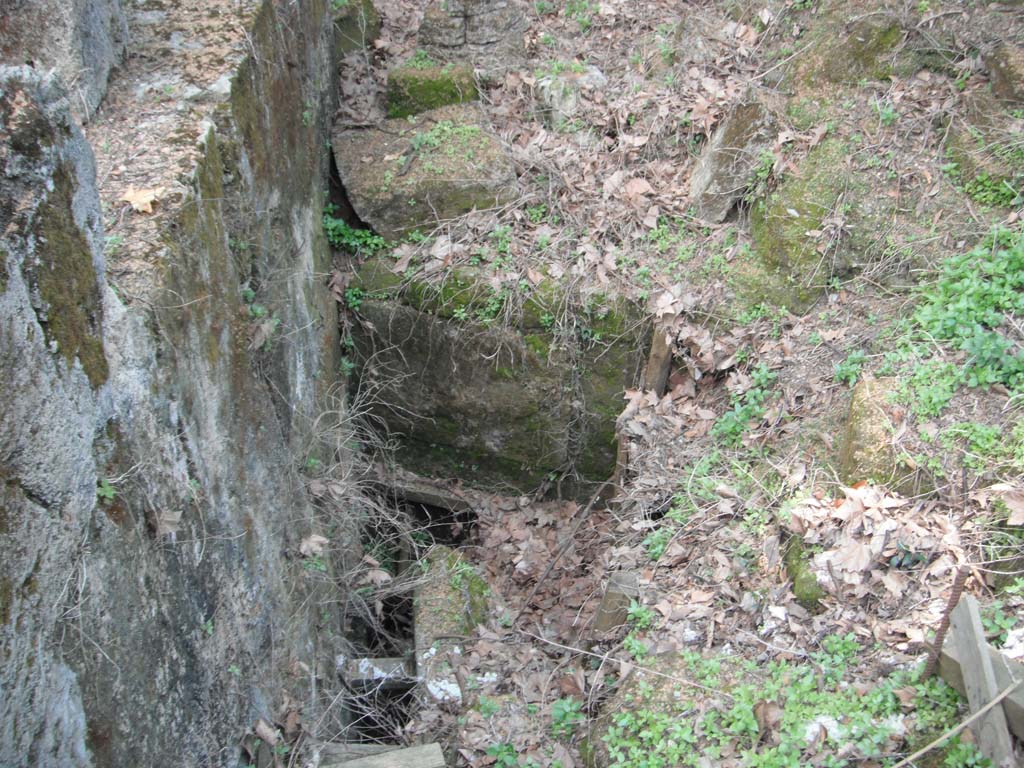
Porta Stabia, Pompeii. May 2011. Upper west side, looking south on west side of photo above. Photo courtesy of Ivo van der Graaff.
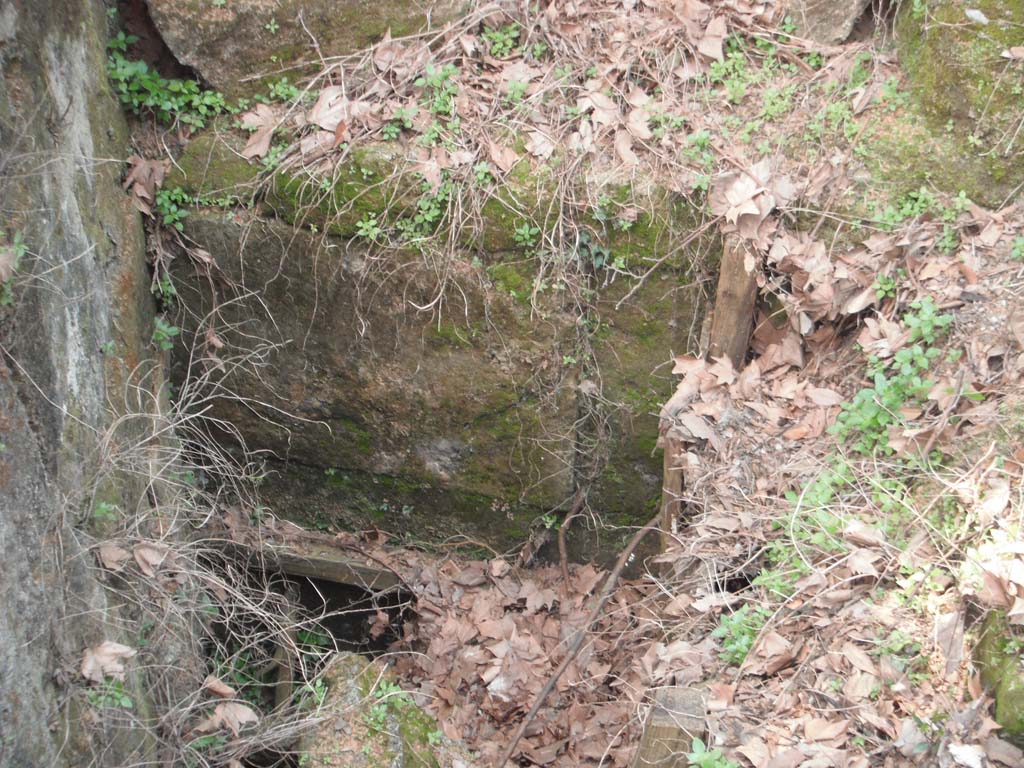
Porta Stabia, Pompeii. May 2011. Upper west side, looking south along west side. Photo courtesy of Ivo van der Graaff.
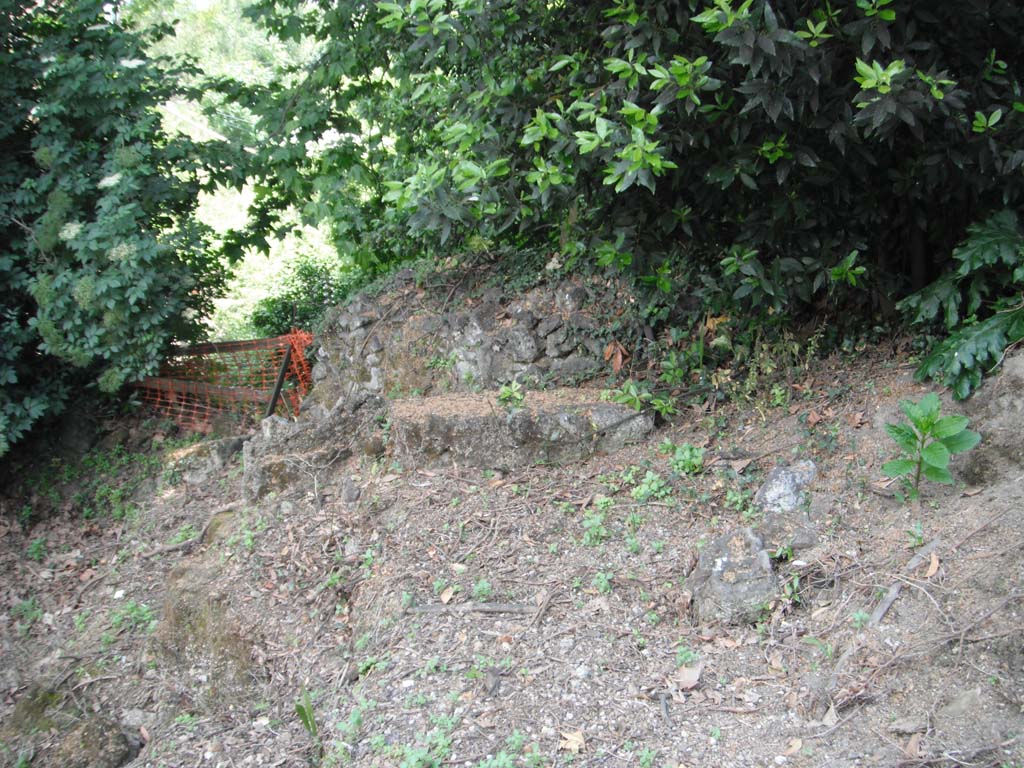
Porta Stabia, Pompeii. May 2011. Upper west side, looking south-west. Photo courtesy of Ivo van der Graaff.
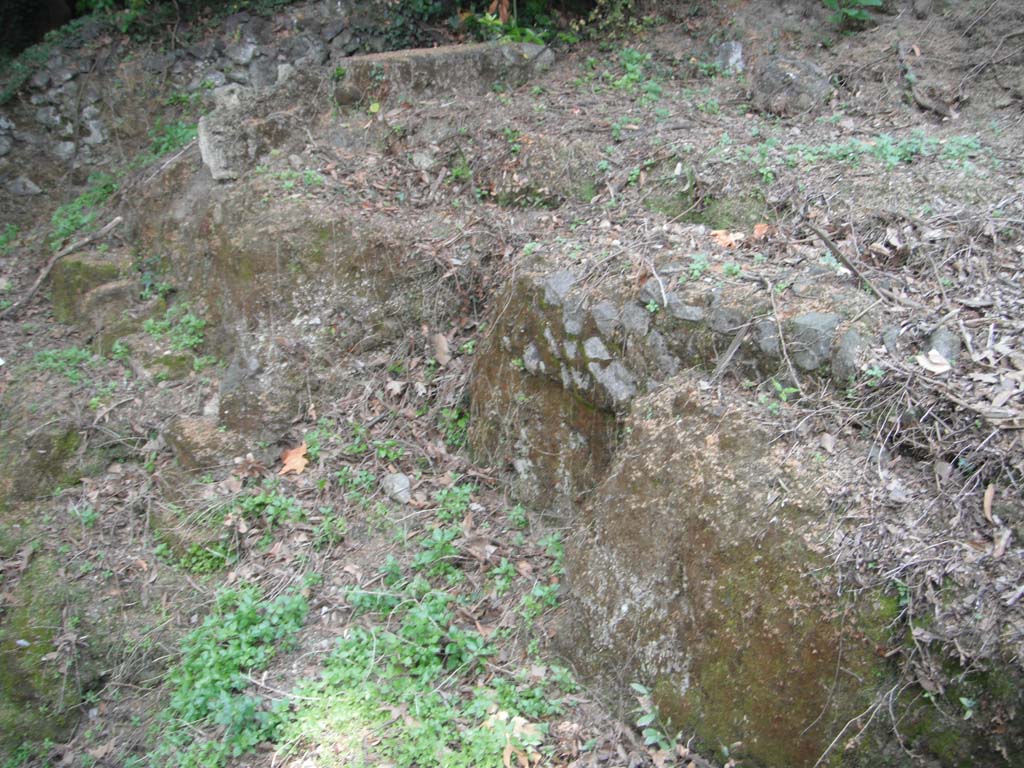
Porta Stabia, Pompeii. May 2011. Upper west side, south-west side. Photo courtesy of Ivo van der Graaff.
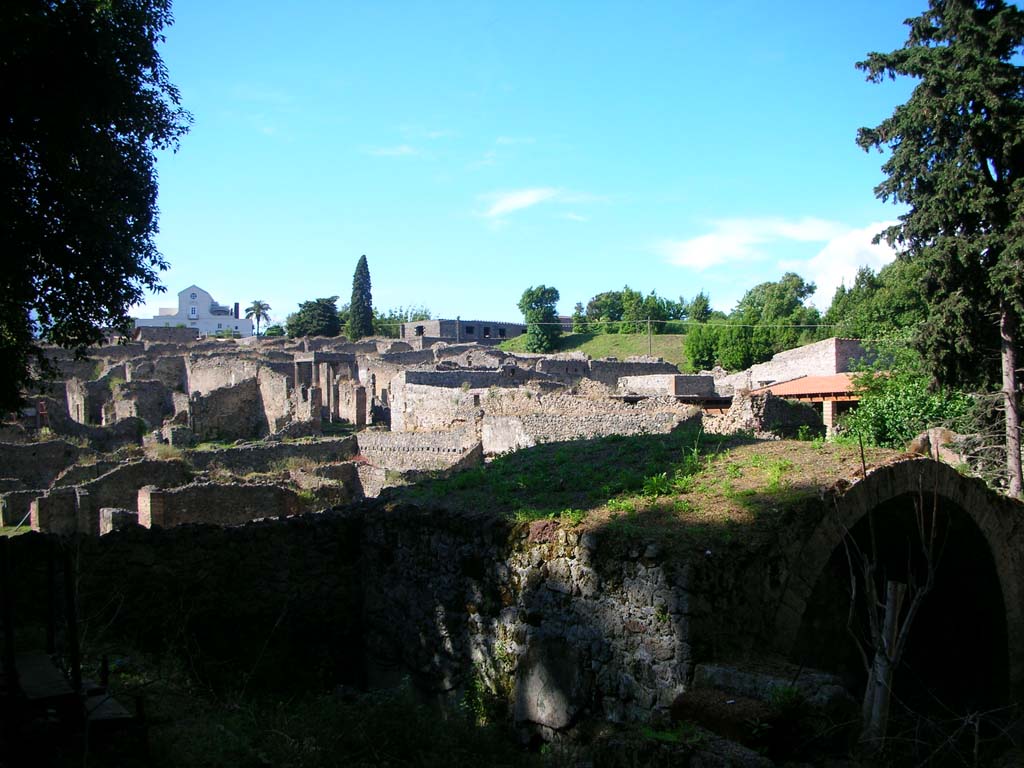
Porta Stabia, Pompeii. May 2010. Looking north-east towards Reg. I, from upper west side. Photo courtesy of Ivo van der Graaff
Upper east side of gate
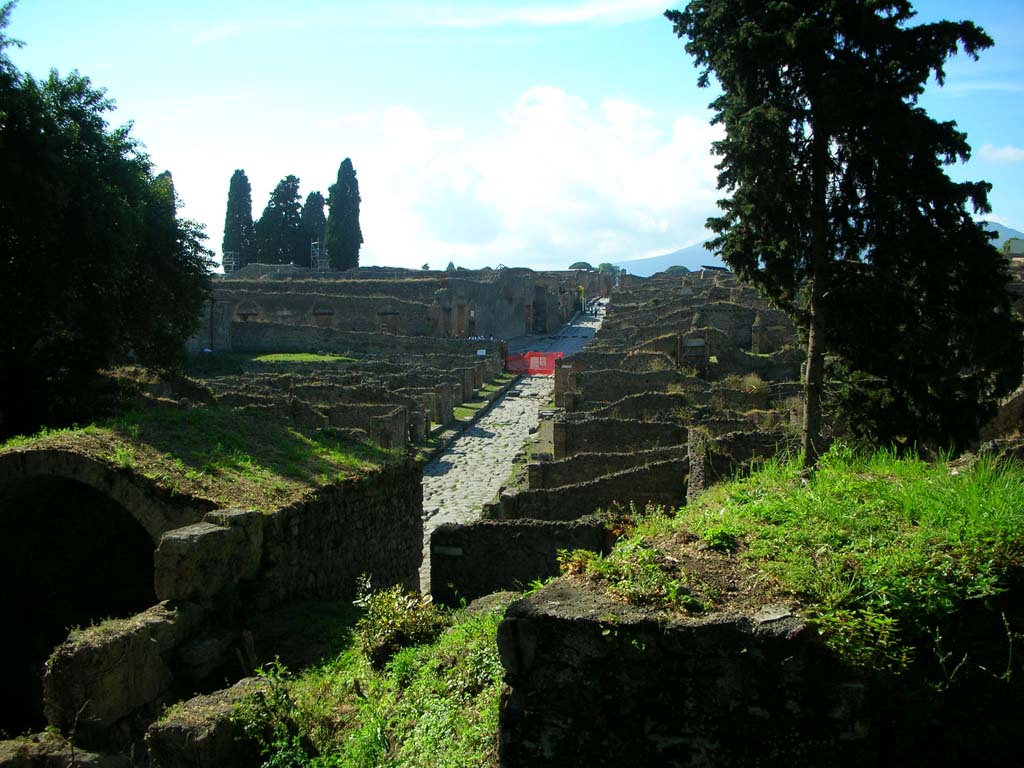
Porta Stabia, Pompeii. May 2010. Looking north towards Via Stabiana from upper east side of gate. Photo courtesy of Ivo van der Graaff.
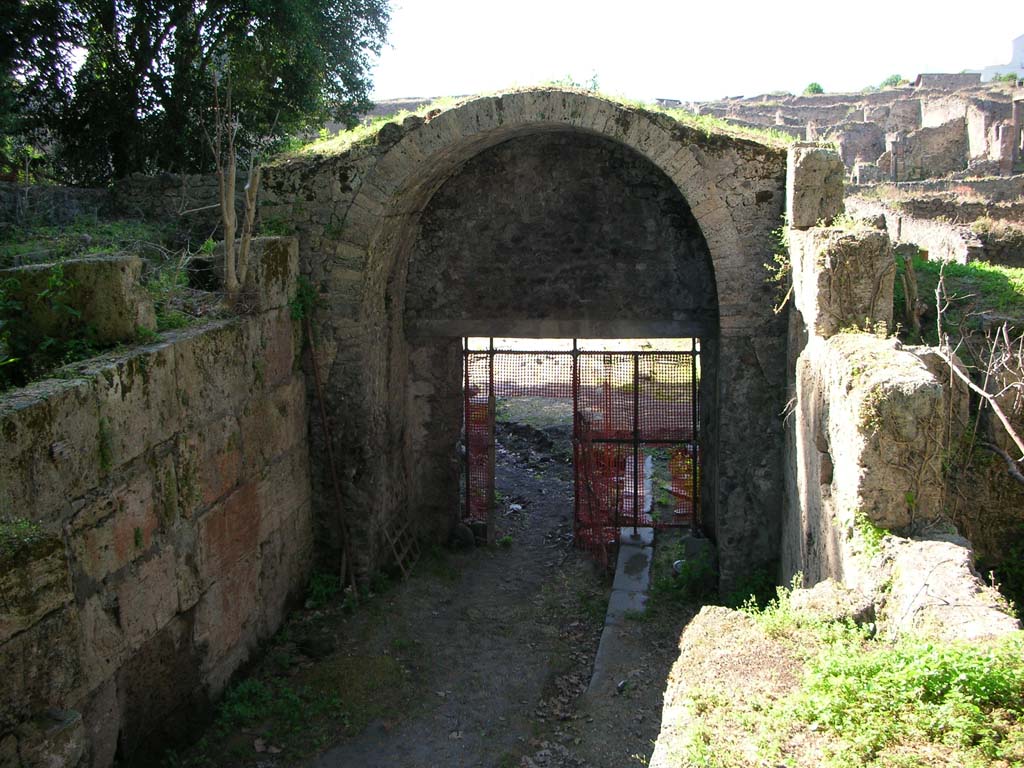
Porta Stabia, Pompeii. May 2010. Looking north through gate from upper east side. Photo courtesy of Ivo van der Graaff.
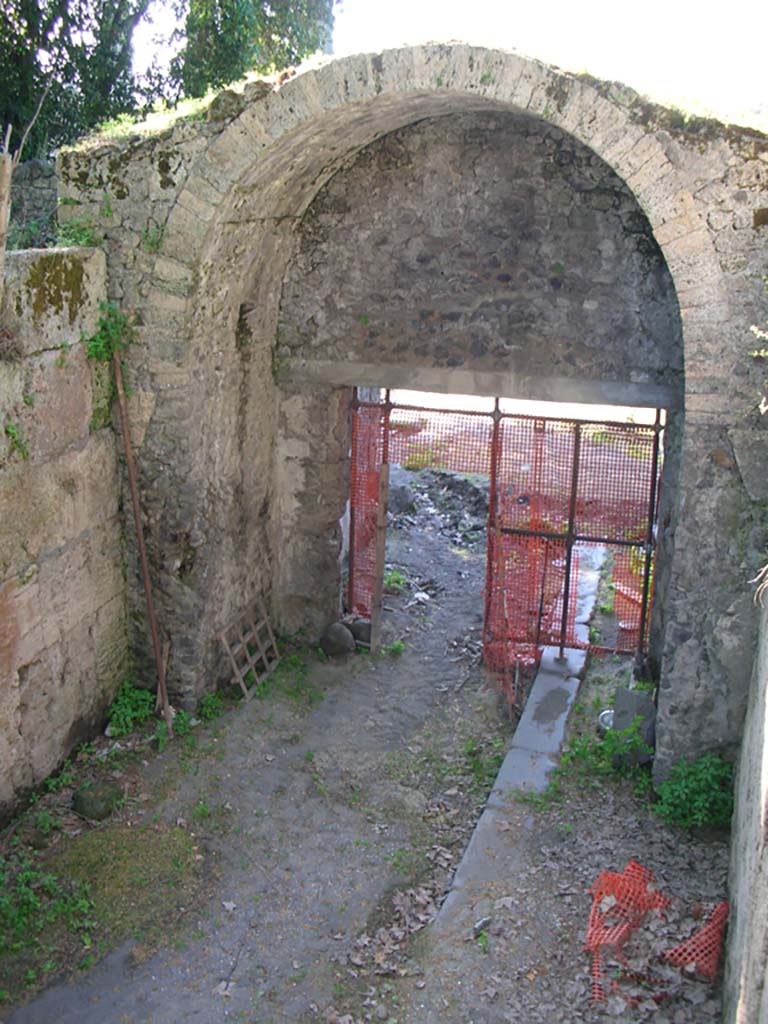
Porta Stabia, Pompeii. May 2010.
Looking towards south side of vaulted gate at north end. Photo courtesy of Ivo van der Graaff.
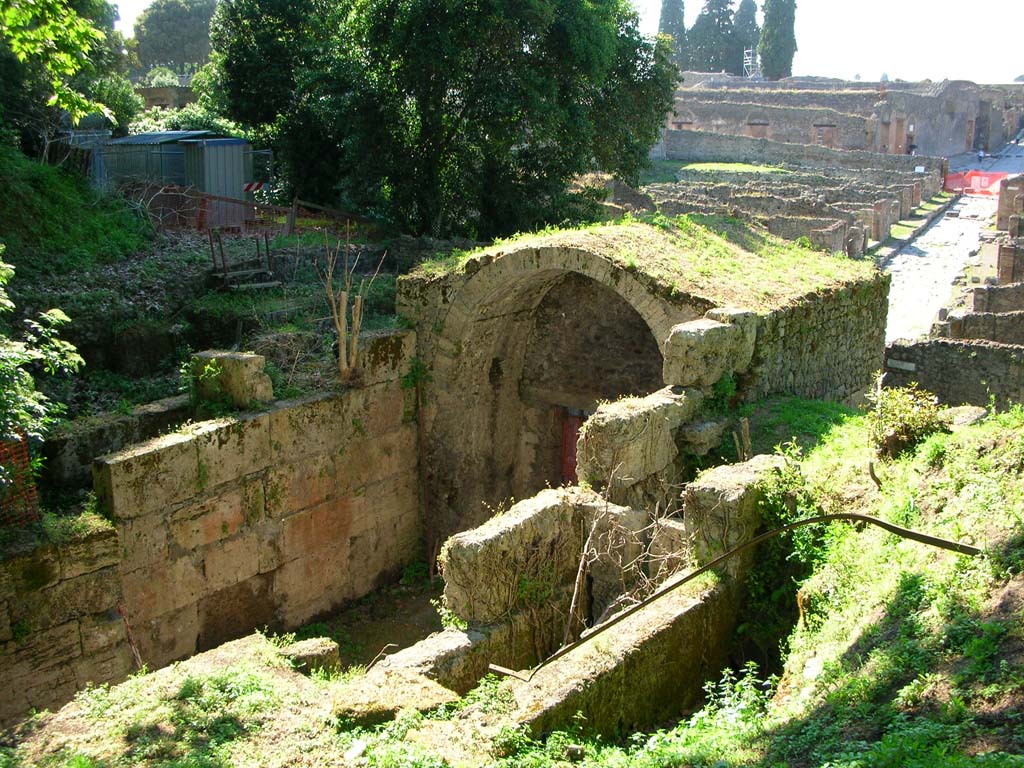
Porta Stabia, Pompeii. May 2010.
Looking north-west from upper exterior east side of gate, with Via Stabiana, on right, and VIII.7. Photo courtesy of Ivo van der Graaff.
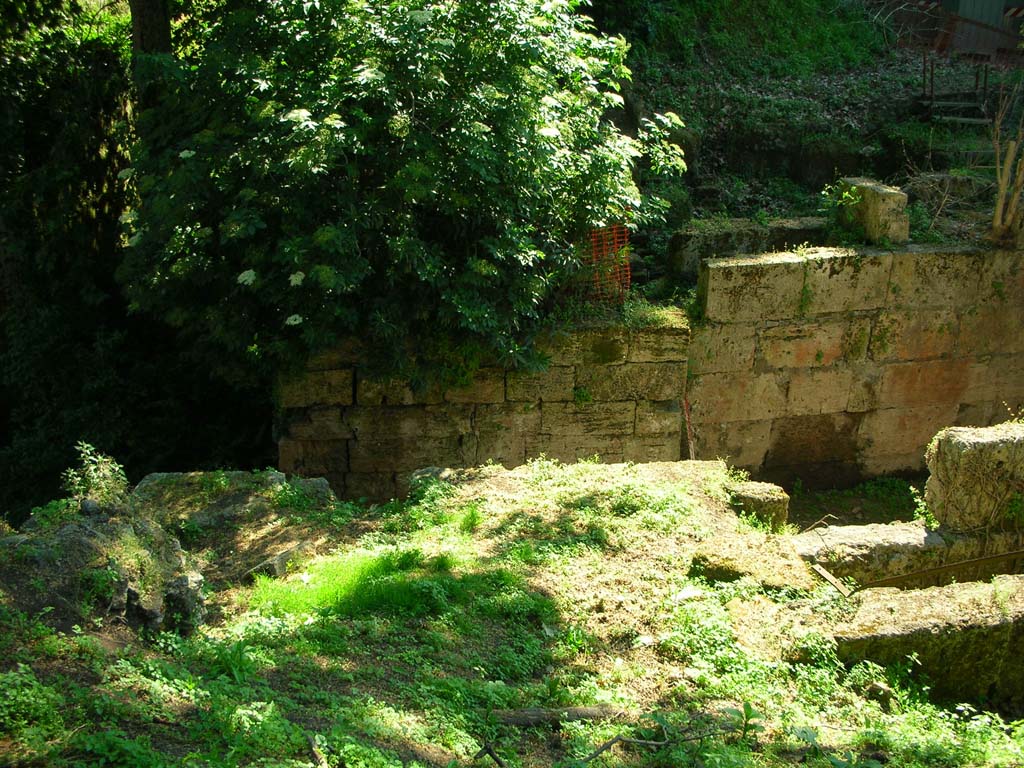
Porta Stabia, Pompeii. May 2010.
Looking towards west wall of gate, from upper east side of gate. Photo courtesy of Ivo van der Graaff.
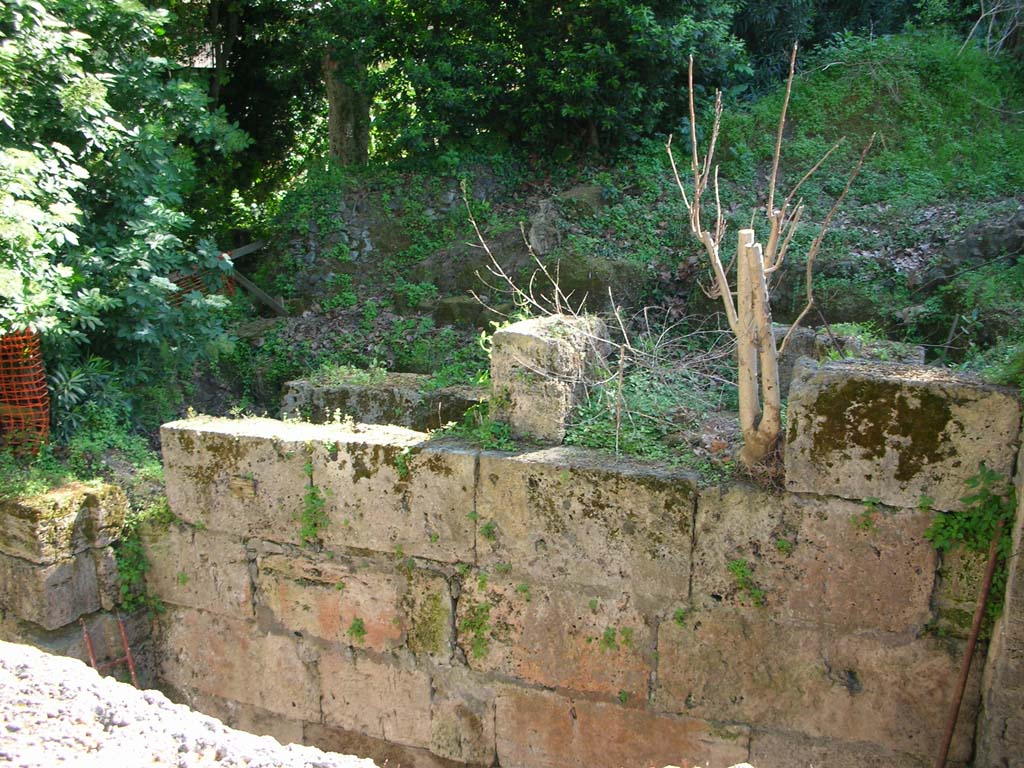
Porta Stabia, Pompeii. May 2010.
Looking south-west towards west wall of gate, from upper east side. Photo courtesy of Ivo van der Graaff.
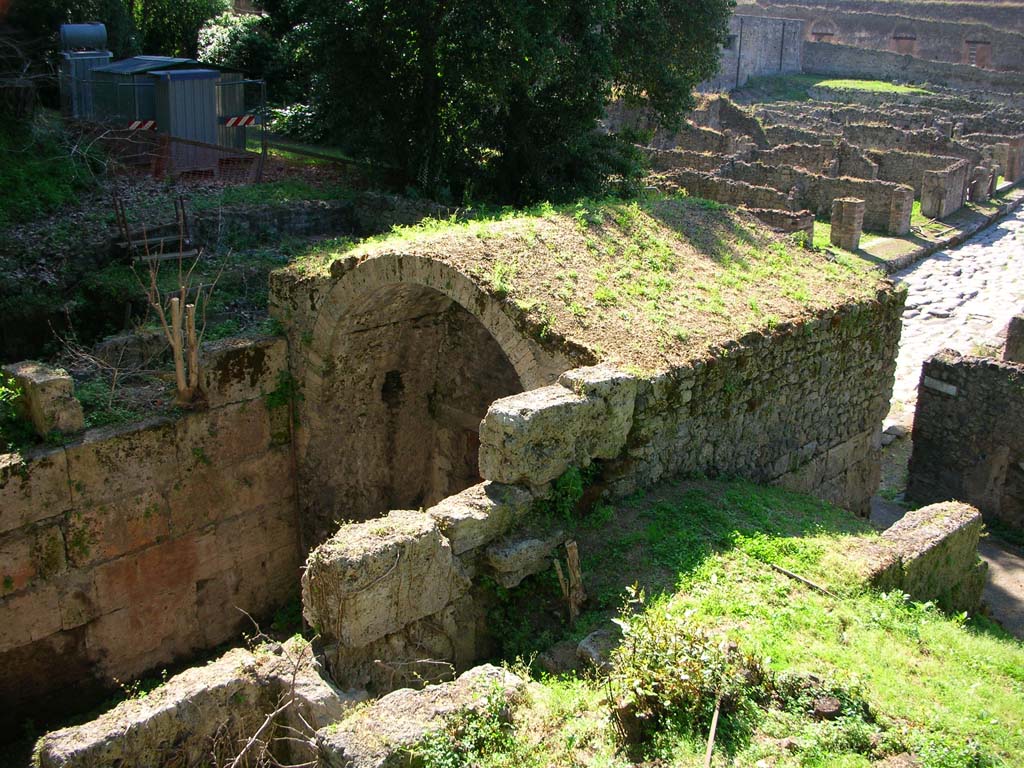
Porta Stabia, Pompeii. May 2010.
Looking north-west towards upper vault of gate, from upper east side. Photo courtesy of Ivo van der Graaff.
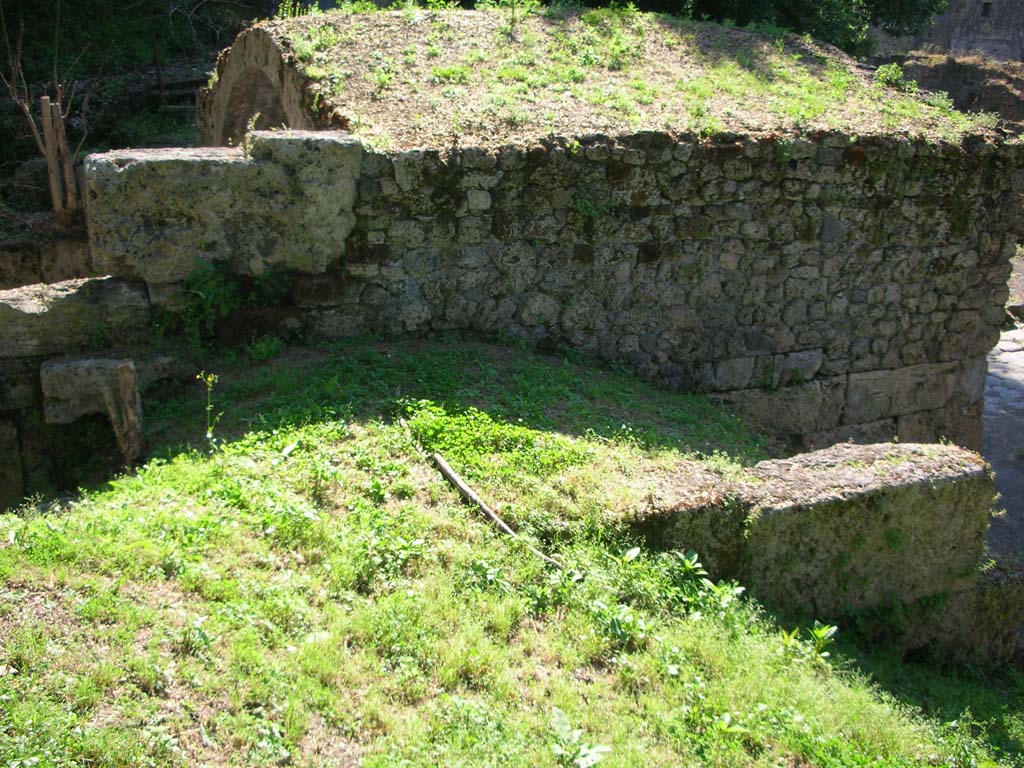
Porta Stabia, Pompeii. May 2010. Looking west towards exterior east side of vault. Photo courtesy of Ivo van der Graaff.
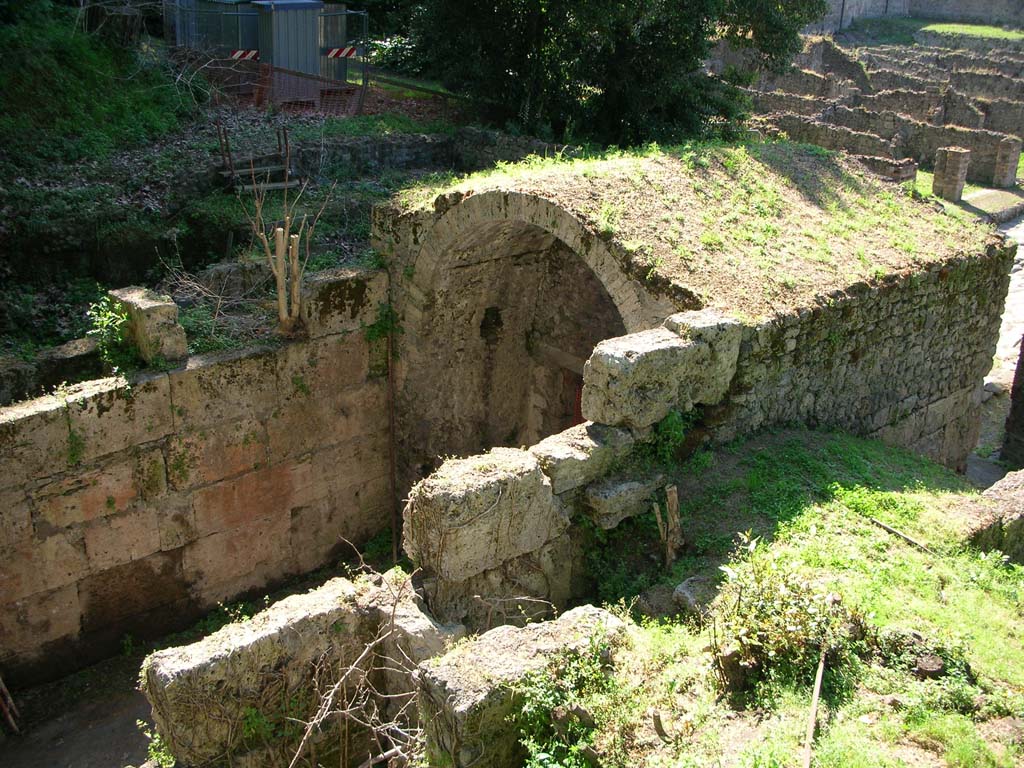
Porta Stabia, Pompeii. May 2010. Looking west towards upper east side, continuation. Photo courtesy of Ivo van der Graaff.
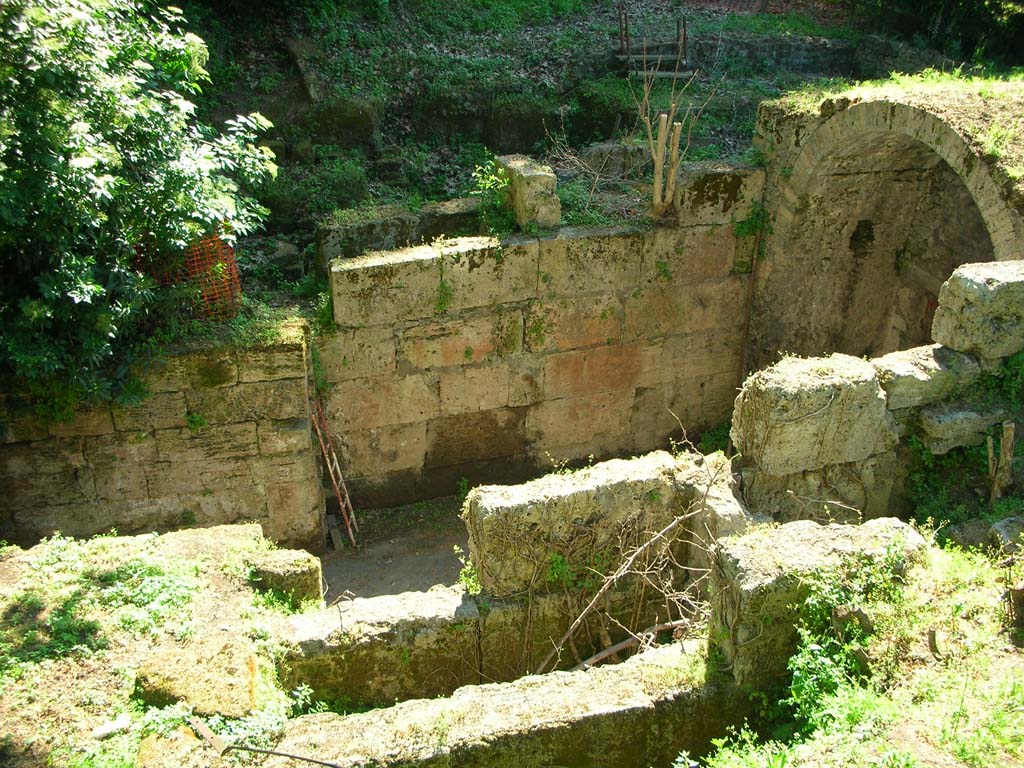
Porta Stabia, Pompeii. May 2010.
Looking west from upper exterior east side of gate, continuation from above photo. Photo courtesy of Ivo van der Graaff.
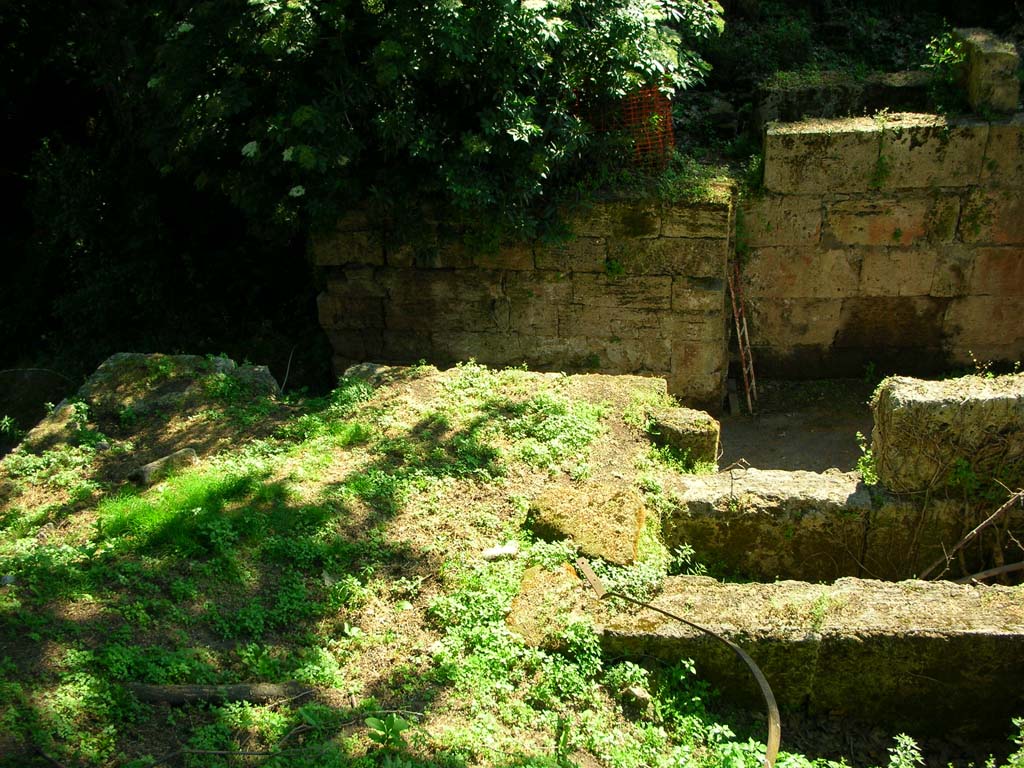
Porta Stabia, Pompeii. May 2010.
Looking west from upper exterior east side of gate in south-east corner, continuation from above photo. Photo courtesy of Ivo van der Graaff.
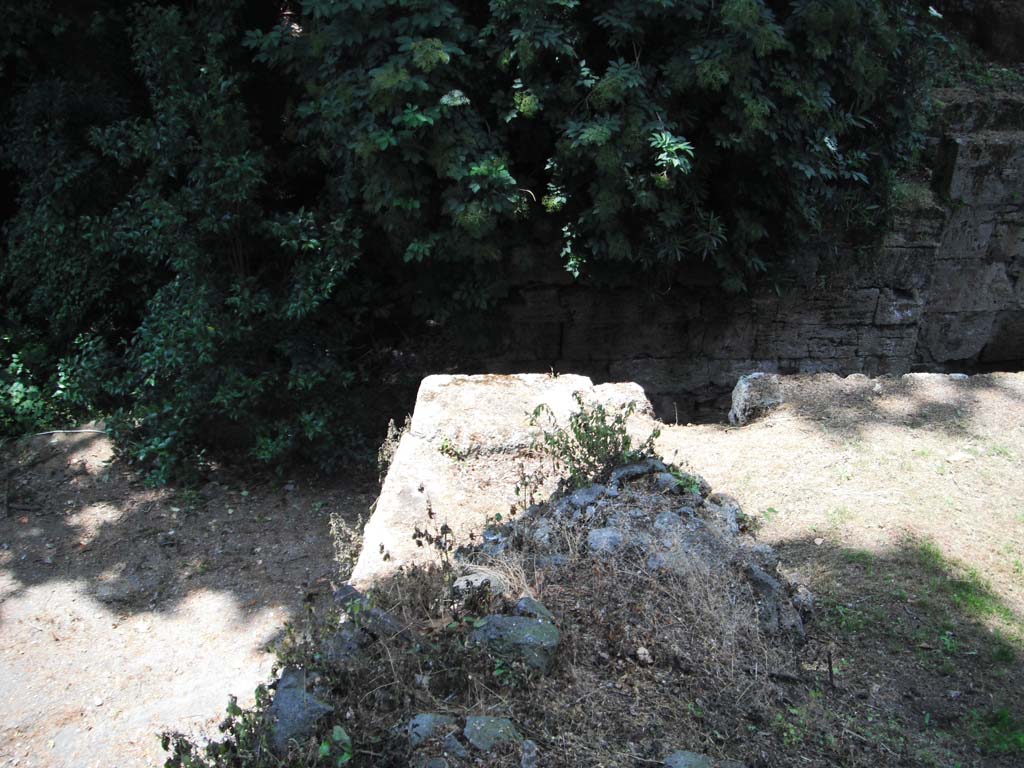
Porta Stabia, Pompeii. May 2011. Upper south-east corner of gate. Photo courtesy of Ivo van der Graaff.
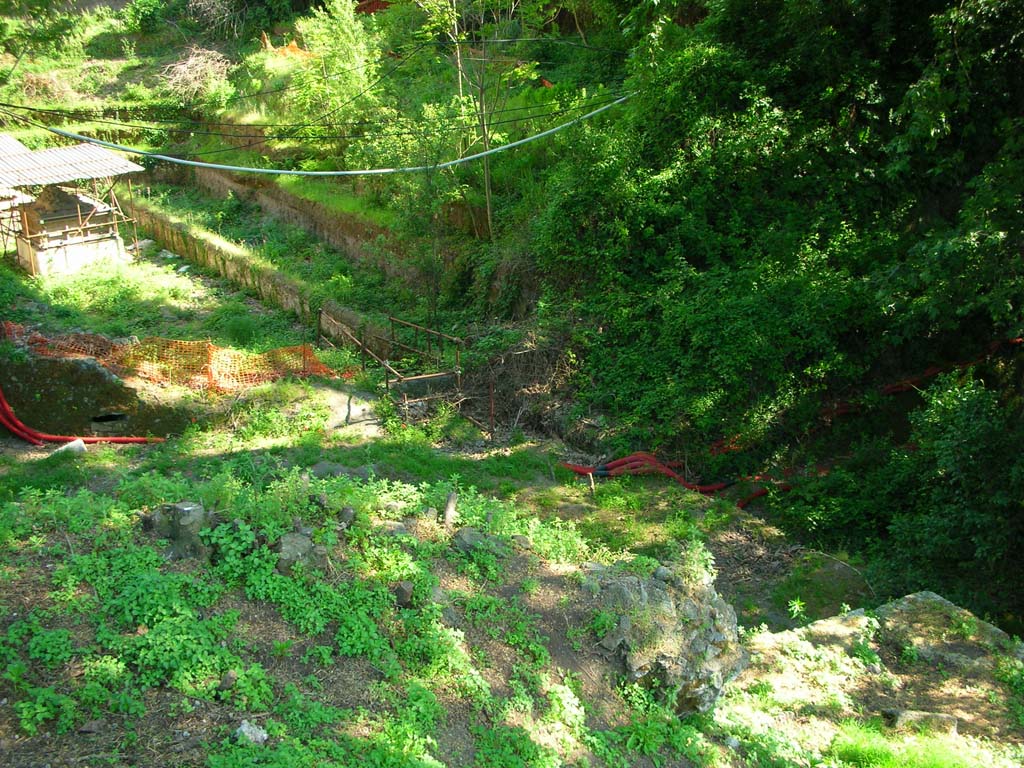
Porta Stabia, Pompeii. May 2010.
Looking south-west from upper exterior south-east corner (bastion) of gate. Photo courtesy of Ivo van der Graaff.
Detail from upper east side
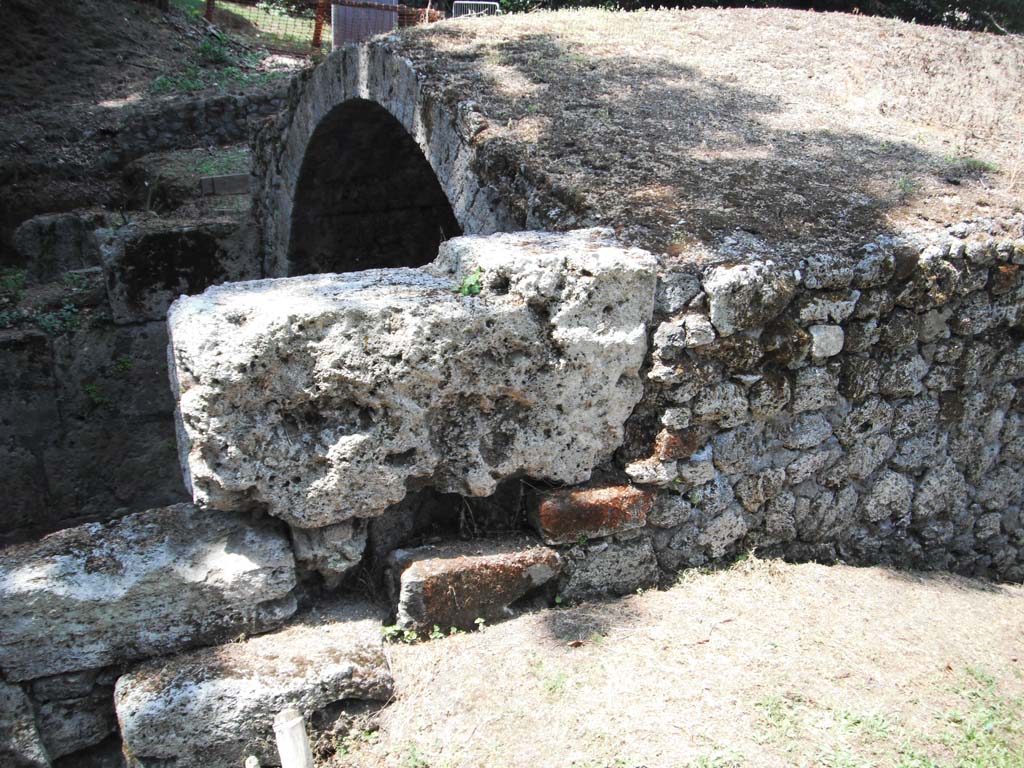
Porta Stabia, Pompeii. May 2011. Upper exterior east side. Photo courtesy of Ivo van der Graaff.
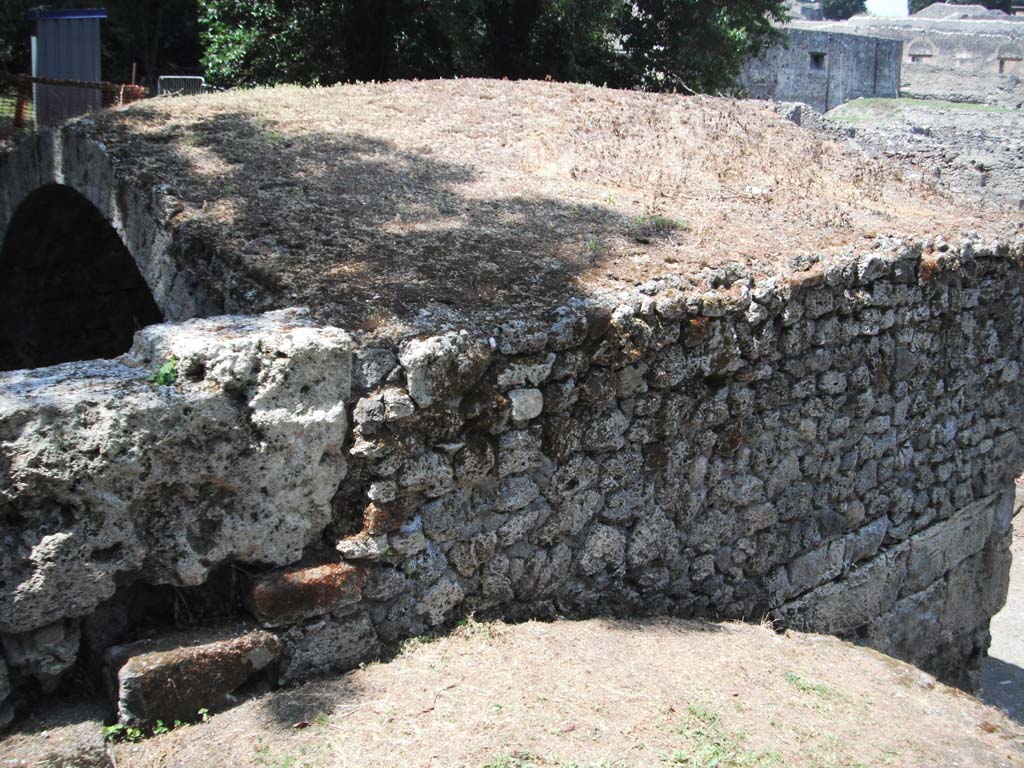
Porta Stabia, Pompeii. May 2011. Upper exterior east side of vault. Photo courtesy of Ivo van der Graaff.
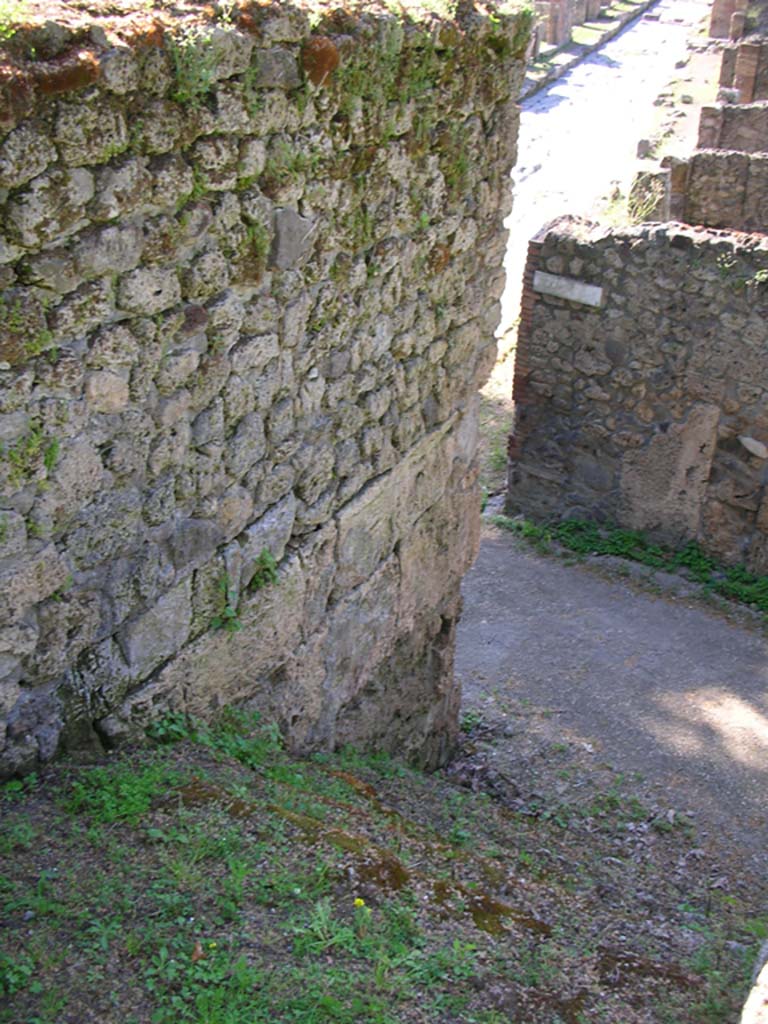
Porta Stabia, Pompeii. May 2010.
Upper exterior east side and north-east corner, looking north-west down area of steps. Photo courtesy of Ivo van der Graaff.
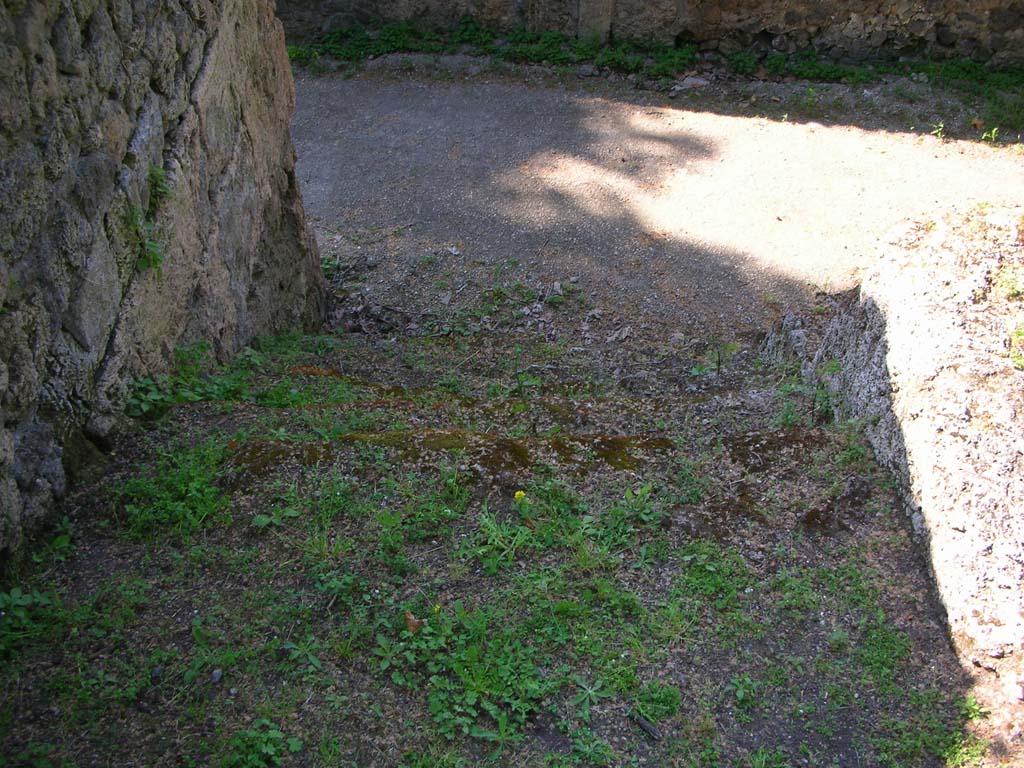
Porta Stabia, Pompeii. May 2010. Upper east side, looking north down area of steps. Photo courtesy of Ivo van der Graaff.
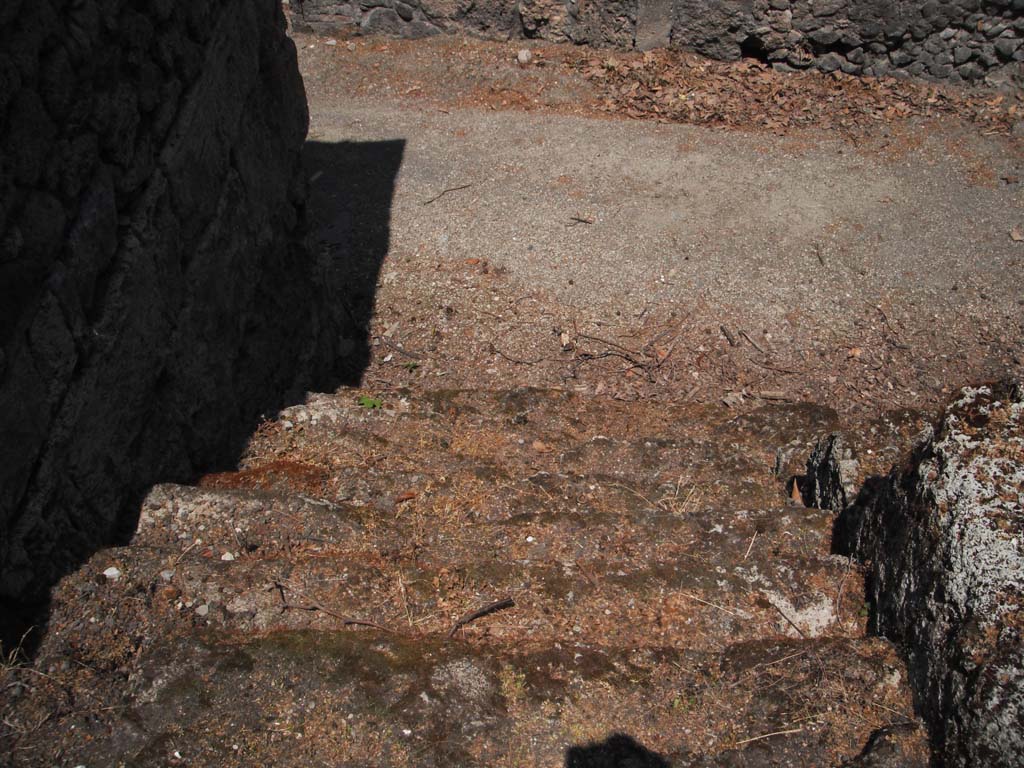
Porta Stabia, Pompeii. May 2011. Upper east side, looking north down area of steps. Photo courtesy of Ivo van der Graaff.
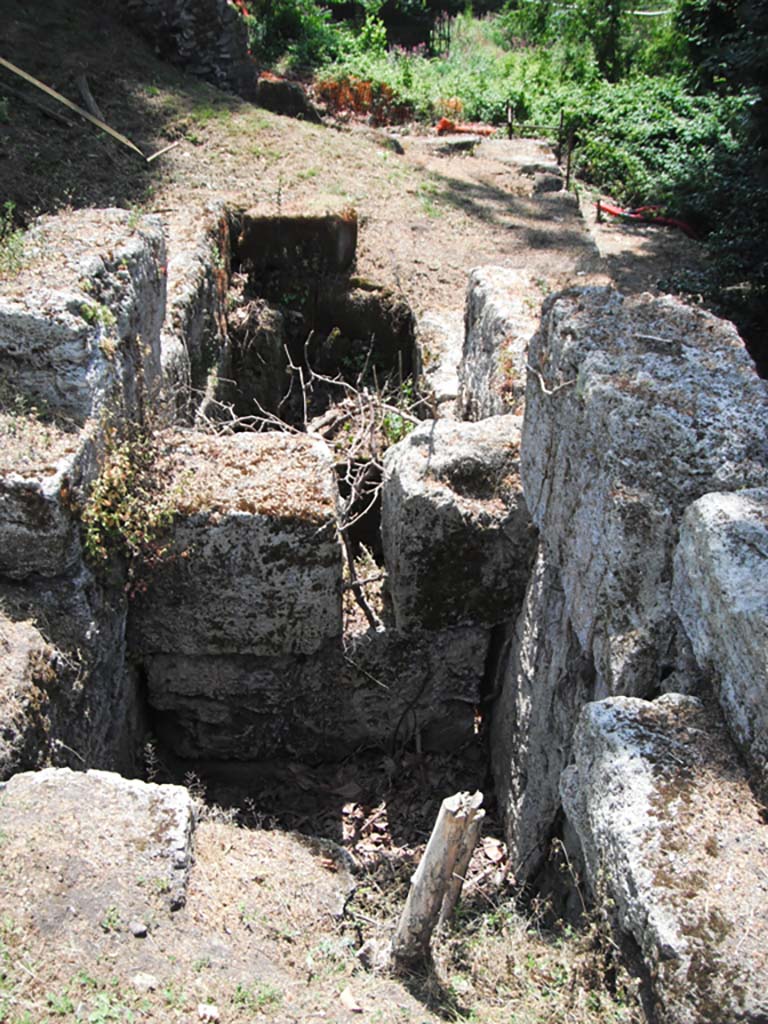
Porta Stabia, Pompeii. May 2011.
Upper east side, looking south from area of vault, on right. Photo courtesy of Ivo van der Graaff.
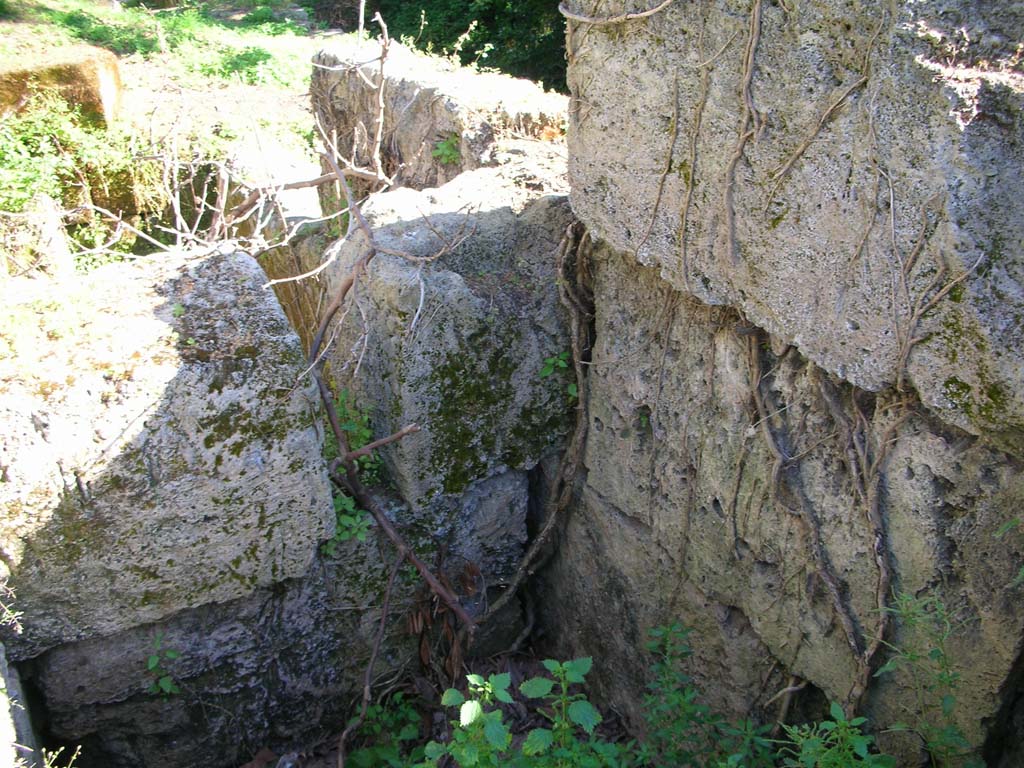
Porta Stabia, Pompeii. May 2010. Detail from upper east side, looking south. Photo courtesy of Ivo van der Graaff.
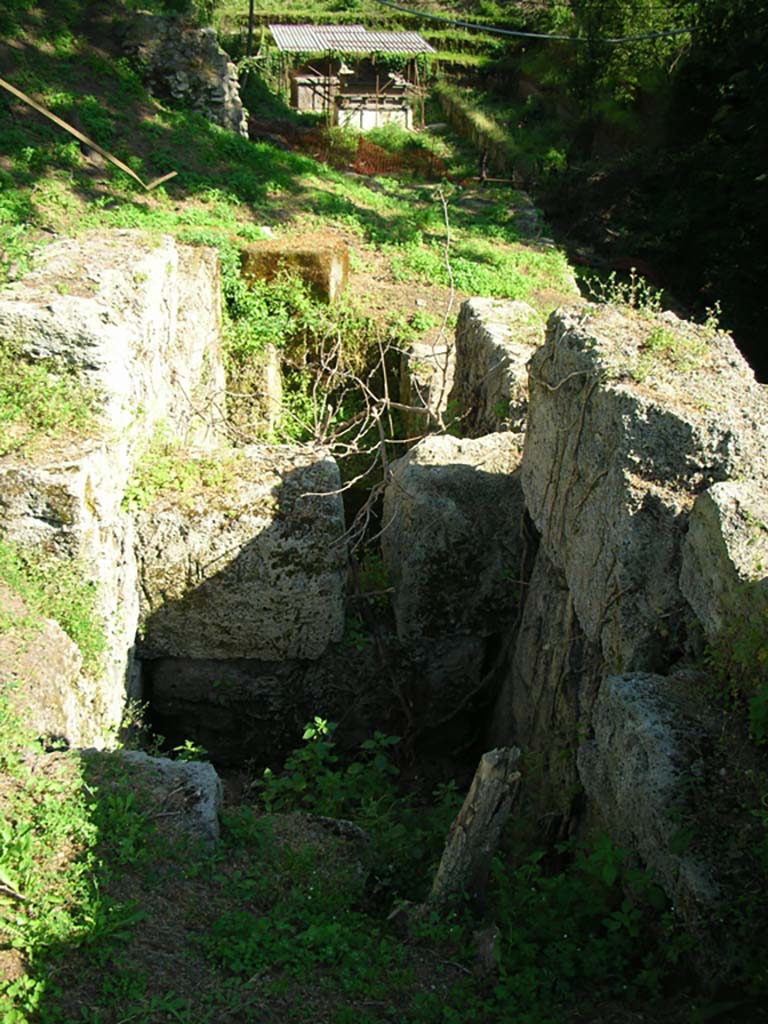
Porta Stabia, Pompeii. May 2010.
Looking south along upper east side of gate. Photo courtesy of Ivo van der Graaff.
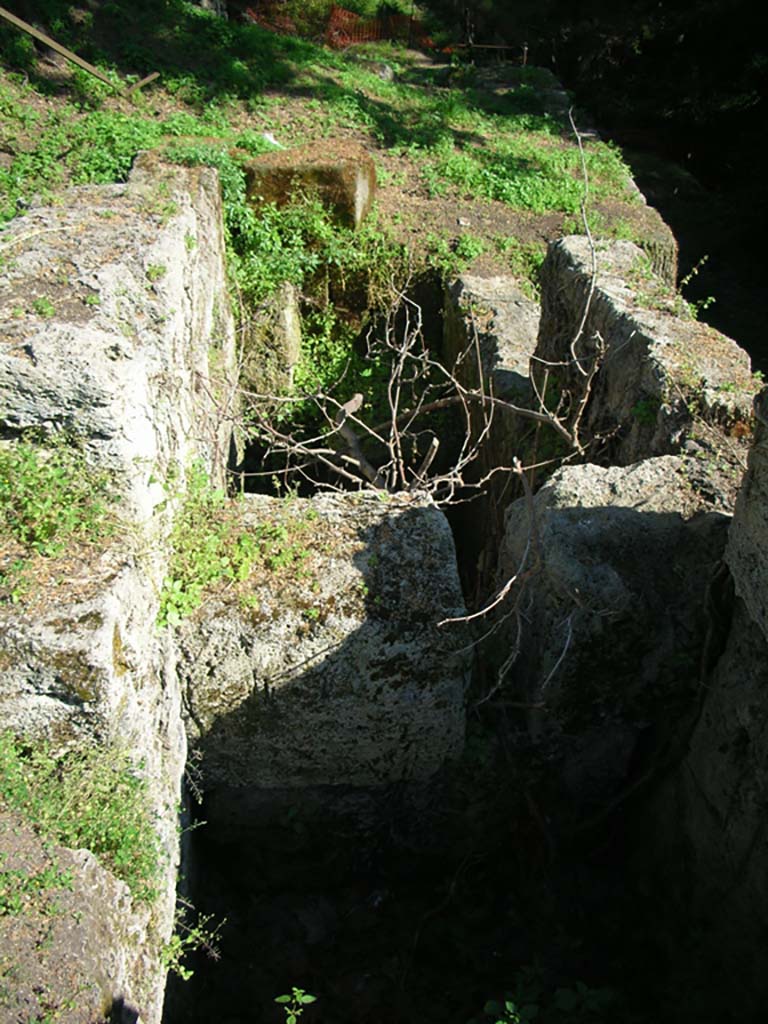
Porta Stabia, Pompeii. May 2010. Upper east side, looking south. Photo courtesy of Ivo van der Graaff.
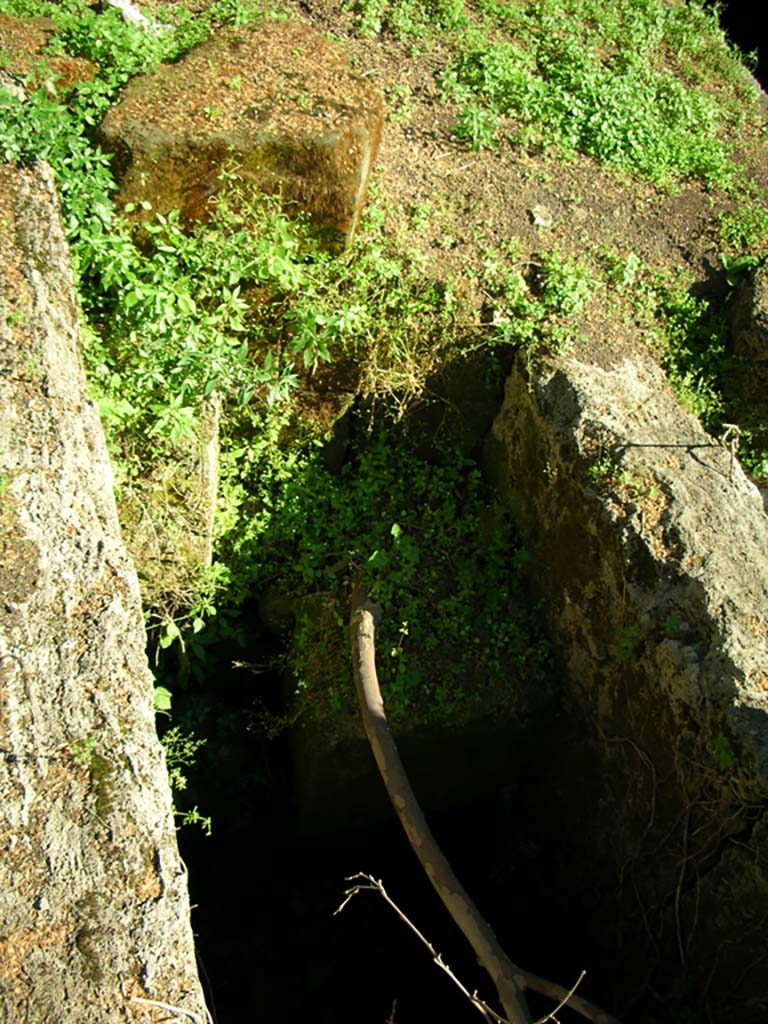
Porta Stabia, Pompeii. May 2010. Upper east side of gate, detail. Photo courtesy of Ivo van der Graaff.
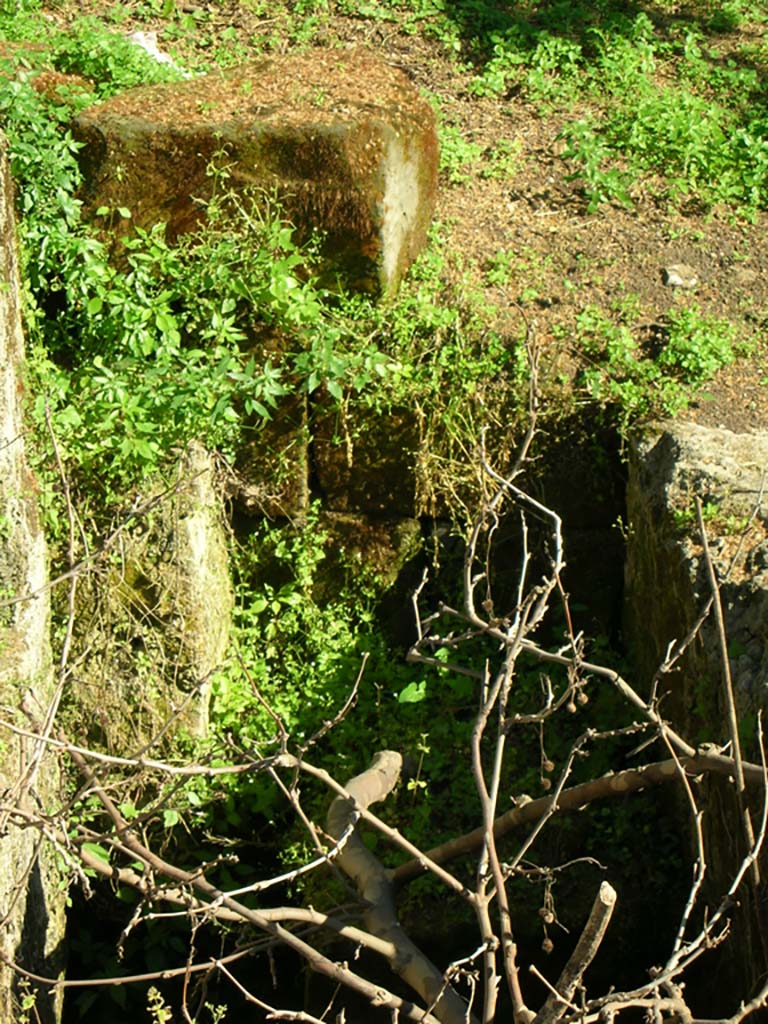
Porta Stabia, Pompeii. May 2010.
Looking south along upper east side of gate, detail. Photo courtesy of Ivo van der Graaff.
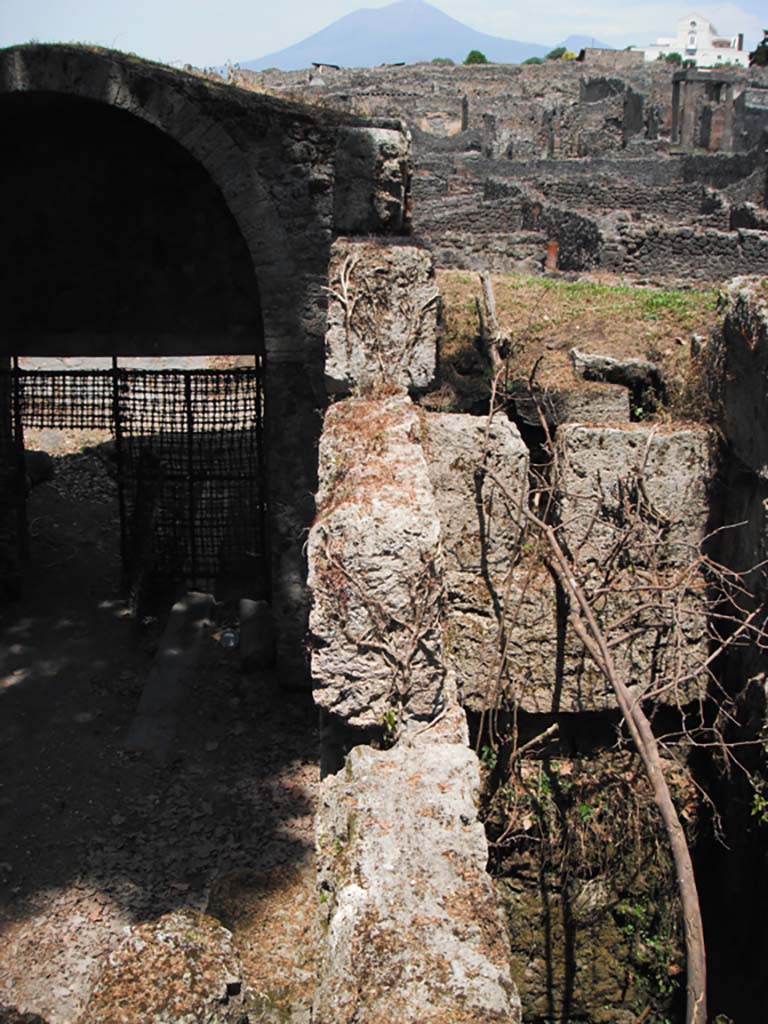
Porta Stabia, Pompeii. May 2011.
Looking north along upper east side of gate “passageway”. Photo courtesy of Ivo van der Graaff.
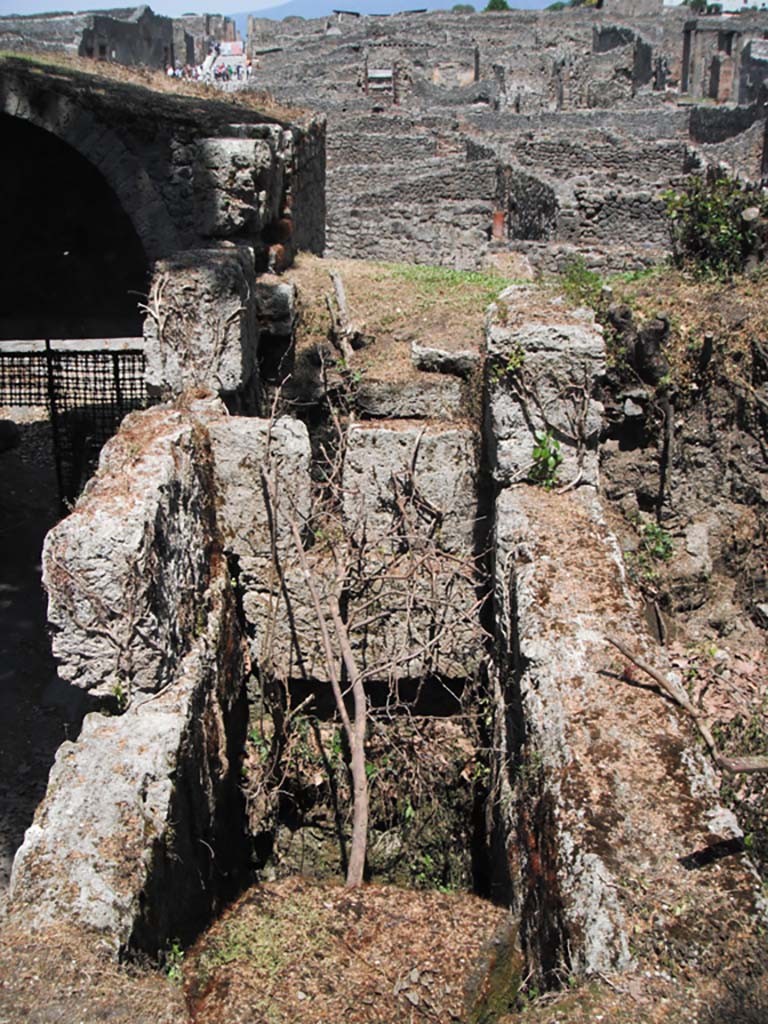
Porta Stabia, Pompeii. May 2011. Upper east side, looking north. Photo courtesy of Ivo van der Graaff.
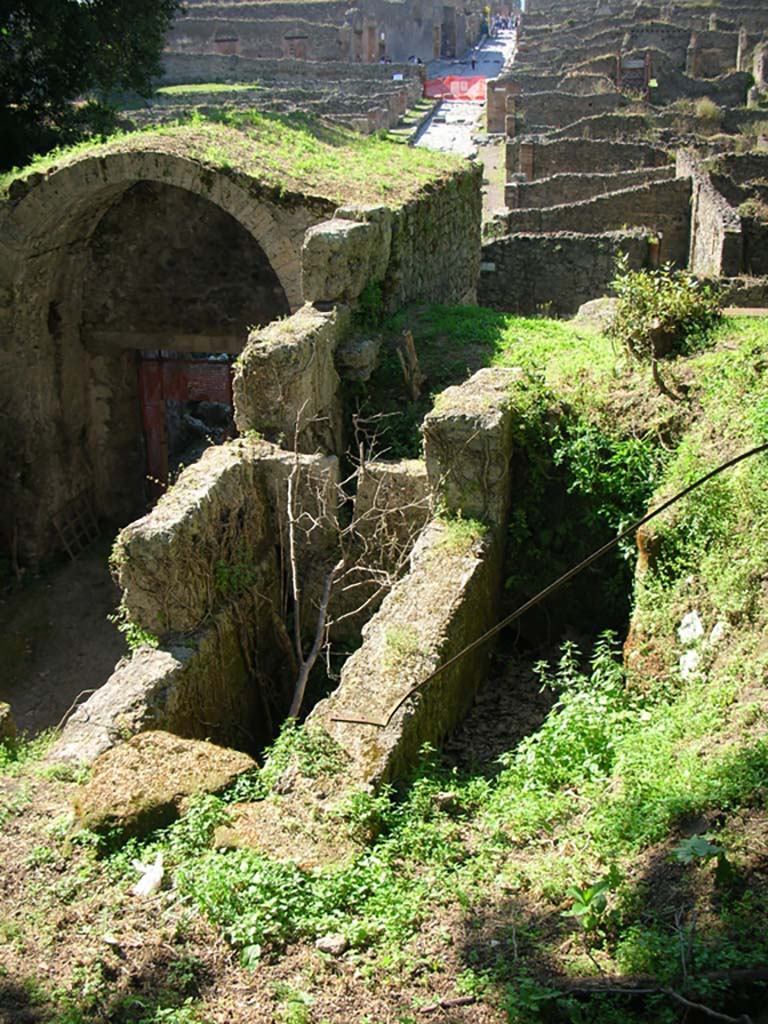
Porta Stabia, Pompeii. May 2010.
Looking north along upper east side of gate. Photo courtesy of Ivo van der Graaff.
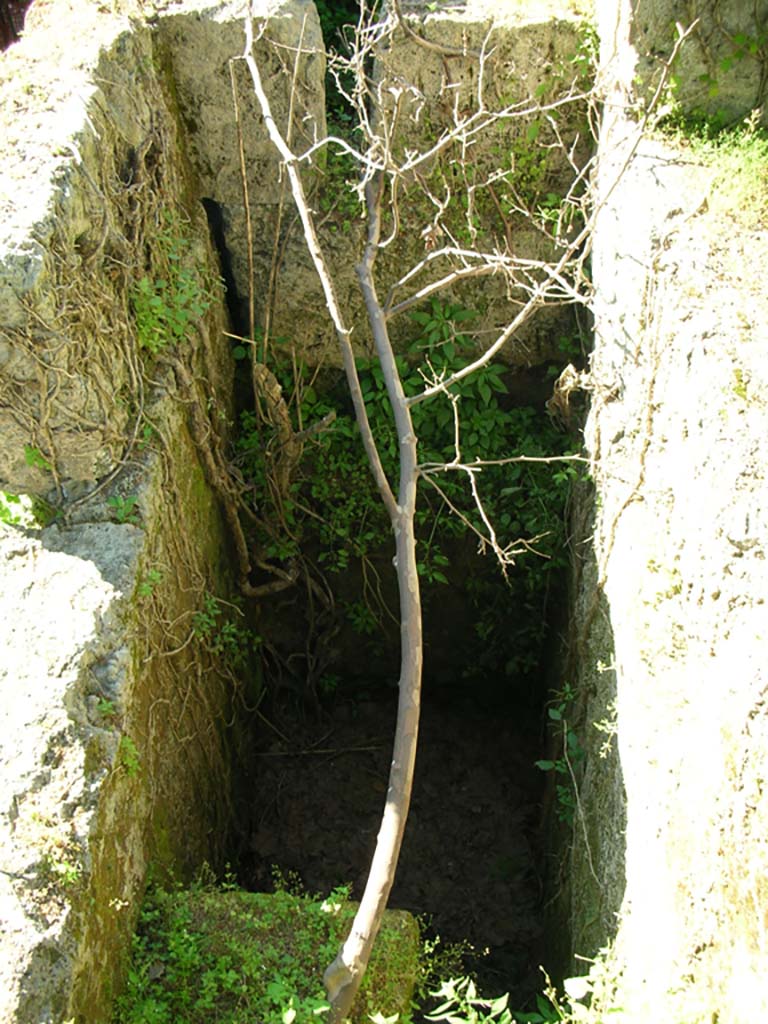
Porta Stabia, Pompeii. May 2010. Upper east side, looking north. Photo courtesy of Ivo van der Graaff.
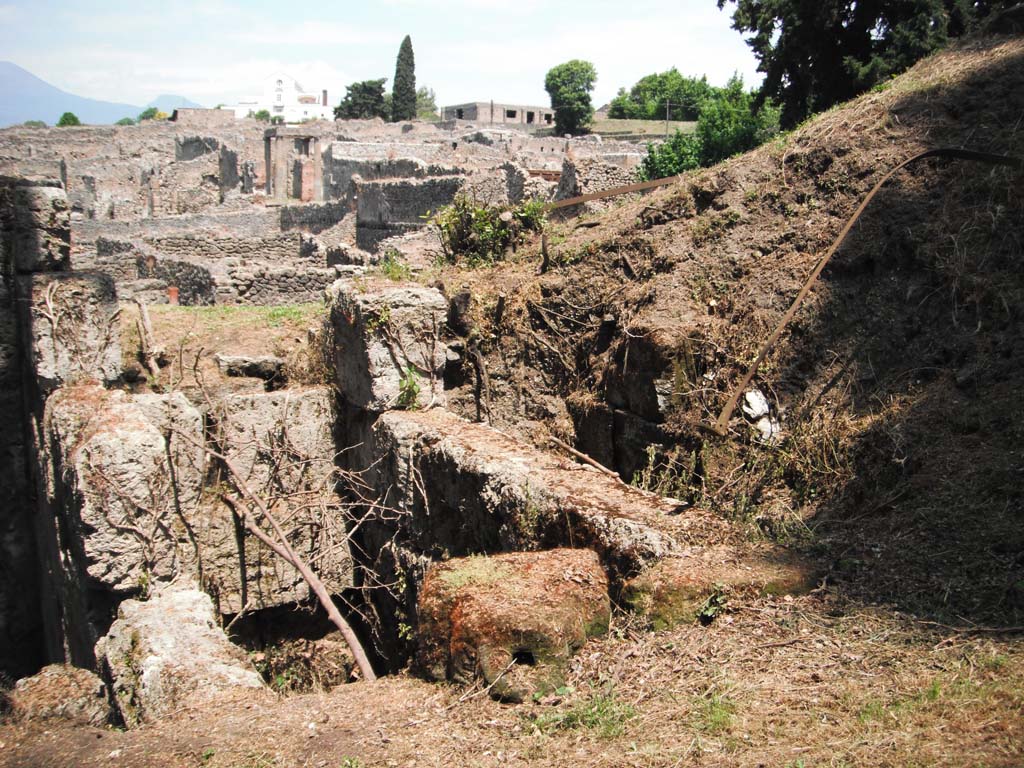
Porta Stabia, Pompeii. May 2011. Looking north-east across upper east side of gate. Photo courtesy of Ivo van der Graaff.
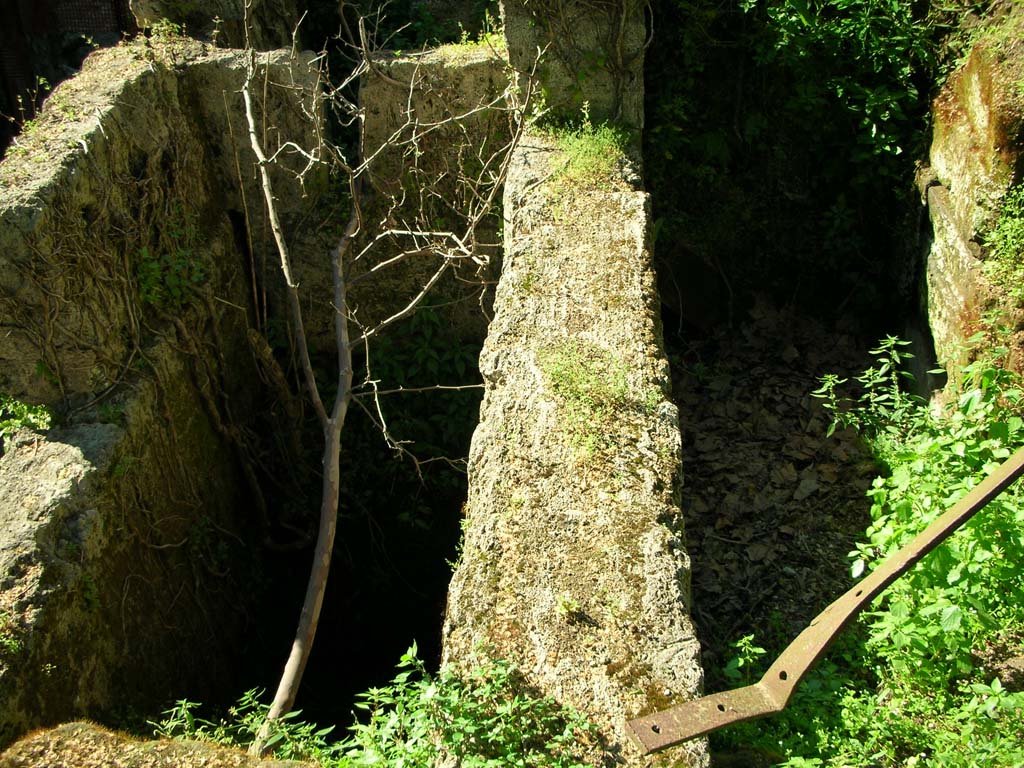
Porta Stabia, Pompeii. May 2010. Upper east side, looking north. Photo courtesy of Ivo van der Graaff.
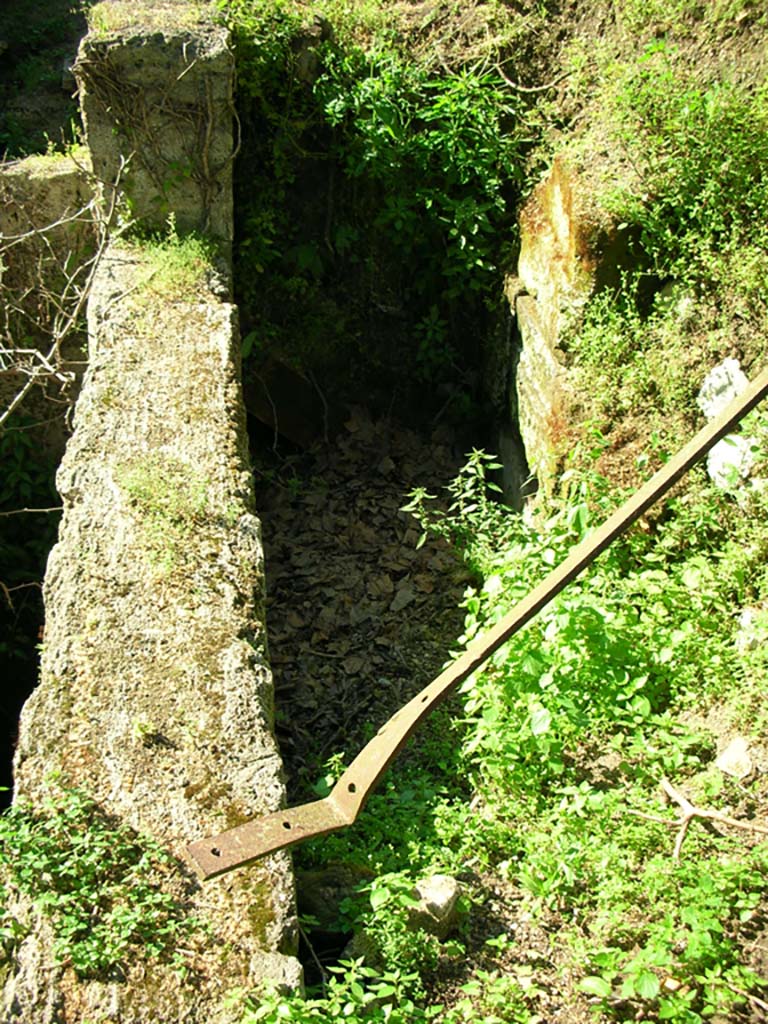
Porta Stabia, Pompeii. May 2010. Upper east side, looking north. Photo courtesy of Ivo van der Graaff.
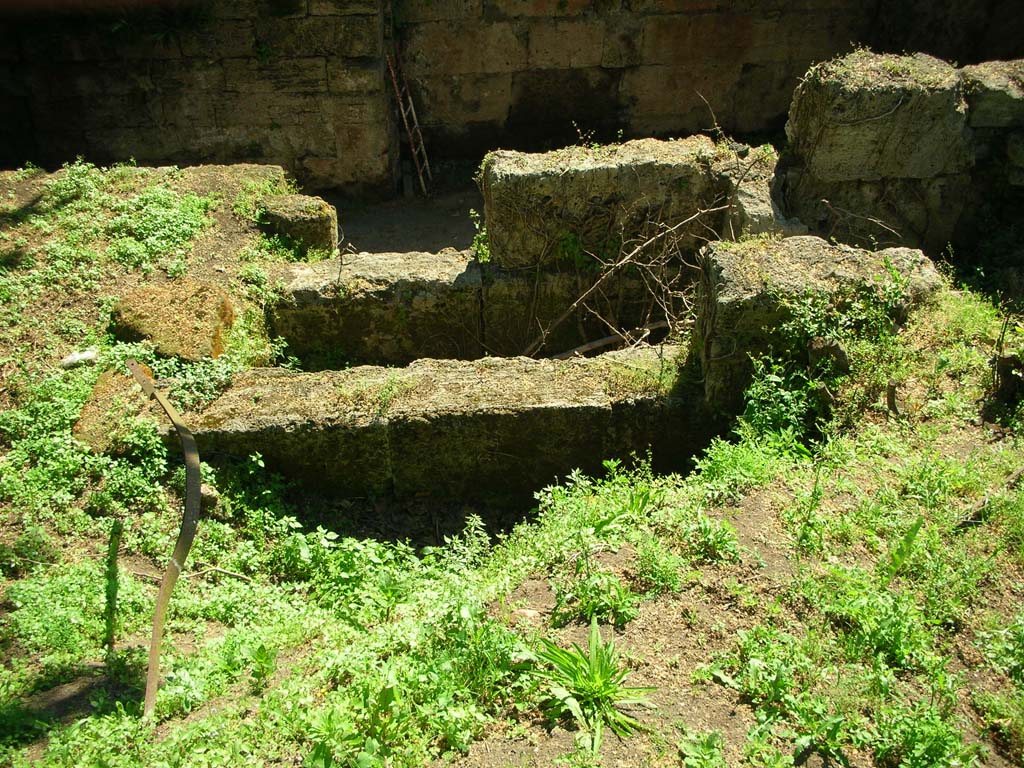
Porta Stabia, Pompeii. May 2010. Upper east side of gate, looking west. Photo courtesy of Ivo van der Graaff.