Pompeii.
Porta di Stabia or Stabian Gate.
Excavated 1851, 1853, 1860, 1869, 1874-1900.
According to Van der Graaff –
“Excavations began at the Porta Stabia on April 22, 1851, with the entry of 10 June marking its discovery.
Roughly nine months later, the work ended with a large part of the structure exposed (Note 54). ……………………
The exterior edge of the gate remained unexcavated until 1853 when Giulio Minervini, seeking to publish a full plan, dug a tunnel to find the outer corner of the eastern bastion (Note 56).
Starting in 1874 through the end of the century, excavations resumed to expose the area in front of the gate.”
See Van der Graaff, I. (2018). The Fortifications of Pompeii and Ancient Italy. Routledge, (p.16).
According to Eschebach, the ancient name of this gate may have been Porta Portuensis.
See Eschebach, L., 1993. Gebäudeverzeichnis und Stadtplan der antiken Stadt Pompeji. Köln: Böhlau. (p.11).
According to Van der Graaff –
“The Porta Stabia remains unnamed because the fifth tribe that occupied Regiones I and II is still unknown.”
See Van der Graaff, I. (2018). The Fortifications of Pompeii and Ancient Italy. Routledge, (p.107).
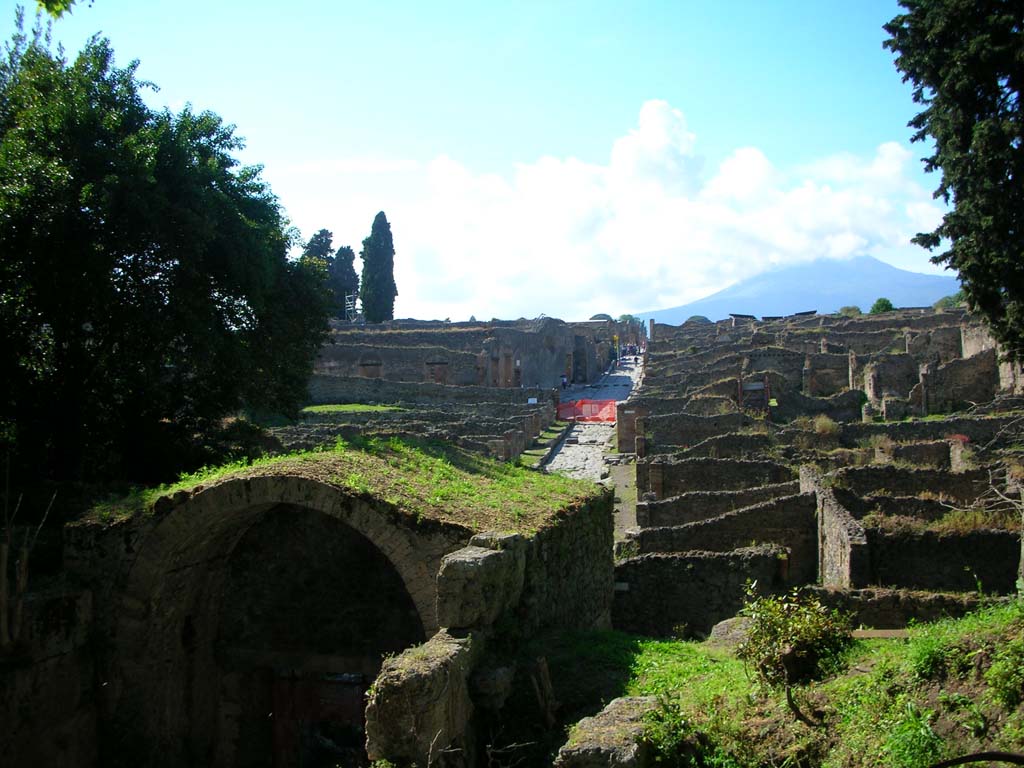
Porta Stabia, Pompeii. May 2010.
Looking north from upper east side of gate, with Via Stabiana, in centre. Photo courtesy of Ivo van der Graaff.
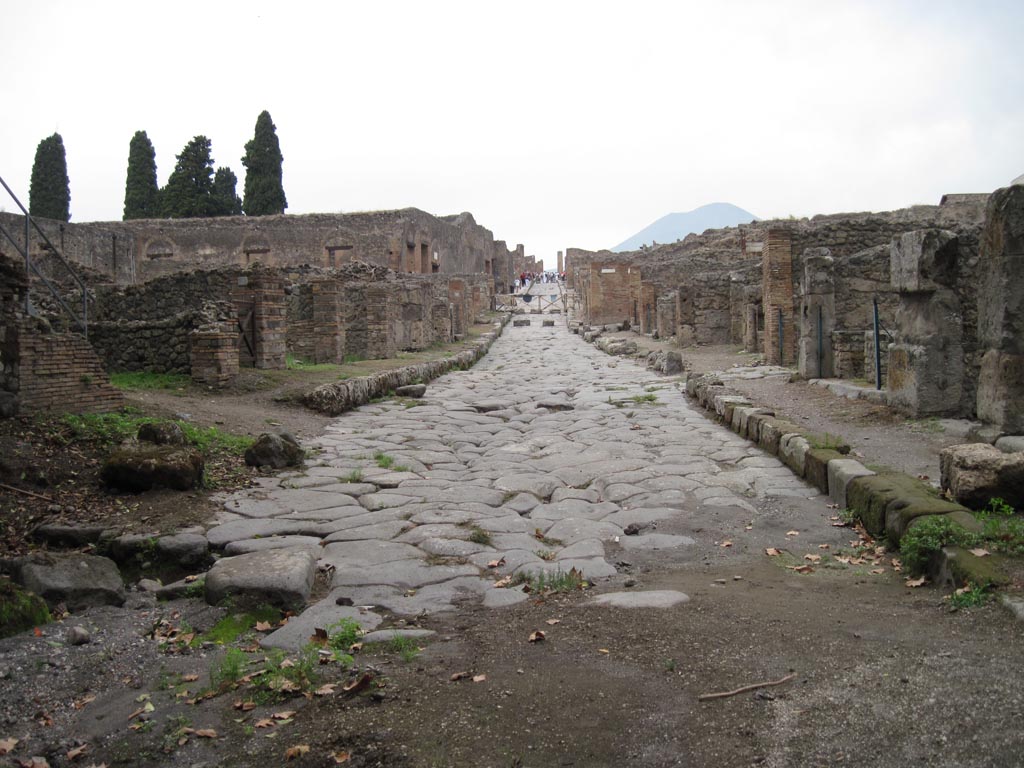
Pompeii Stabian Gate. September 2010. Looking north onto Via Stabiana. Photo courtesy of Drew Baker.
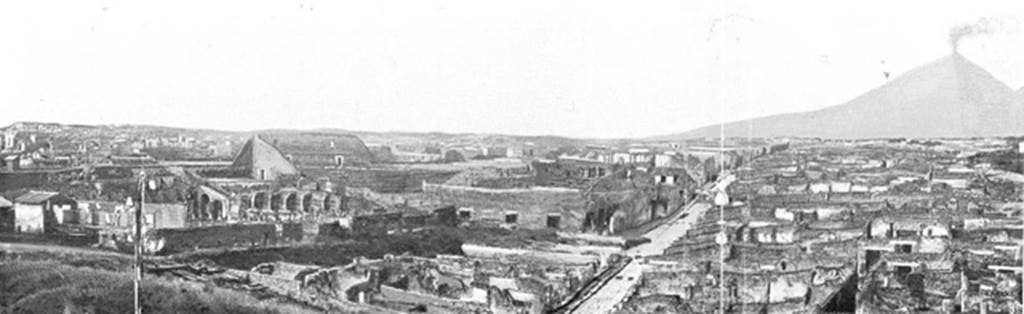
Porta di Stabia. About 1900. Looking north along Via Stabiana, past VIII.7 and the Theatres on left. Photo courtesy of Rick Bauer.
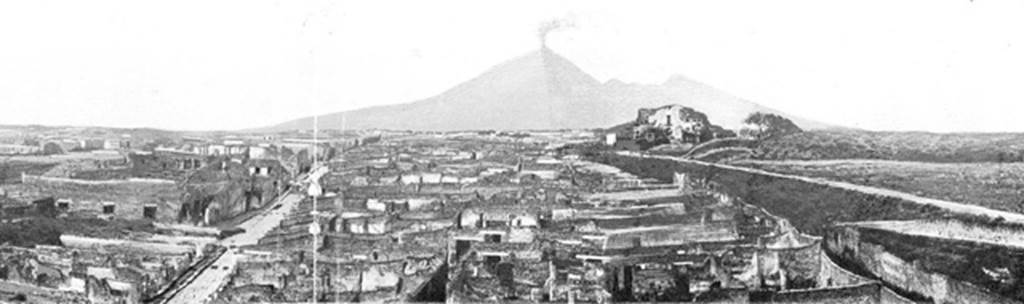
Porta di Stabia. About 1900. Looking north along Via Stabiana. Photo courtesy of Rick Bauer.
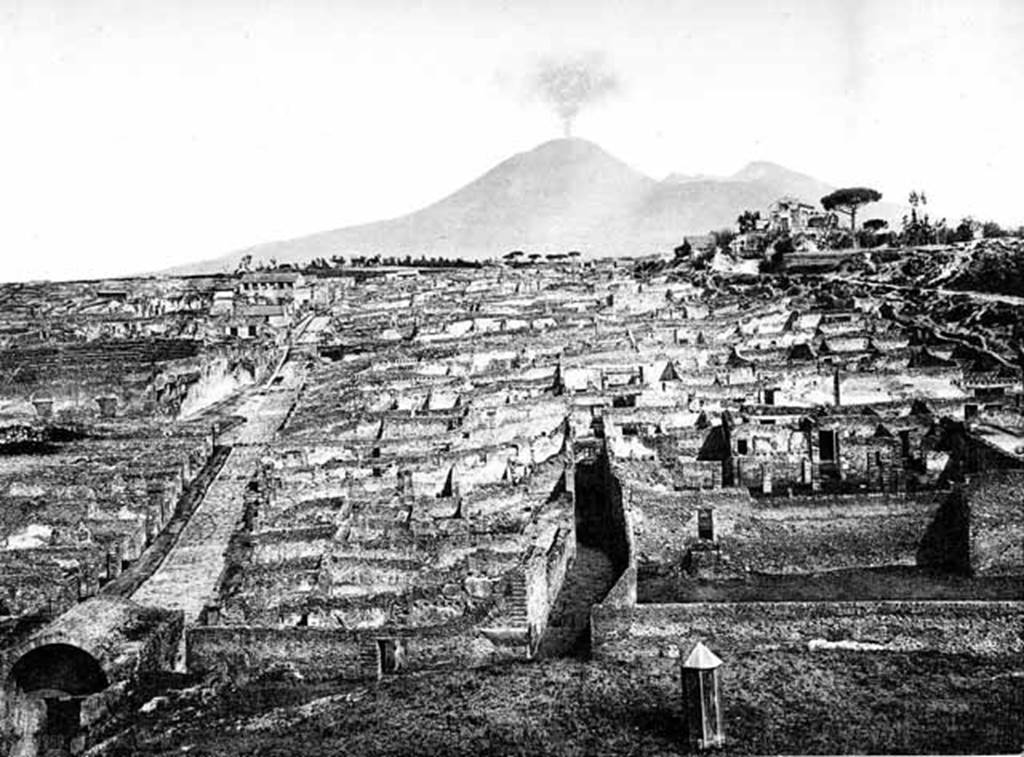
Porta di Stabia. About 1869. Looking north along Via Stabiana. Photo courtesy of Rick Bauer.
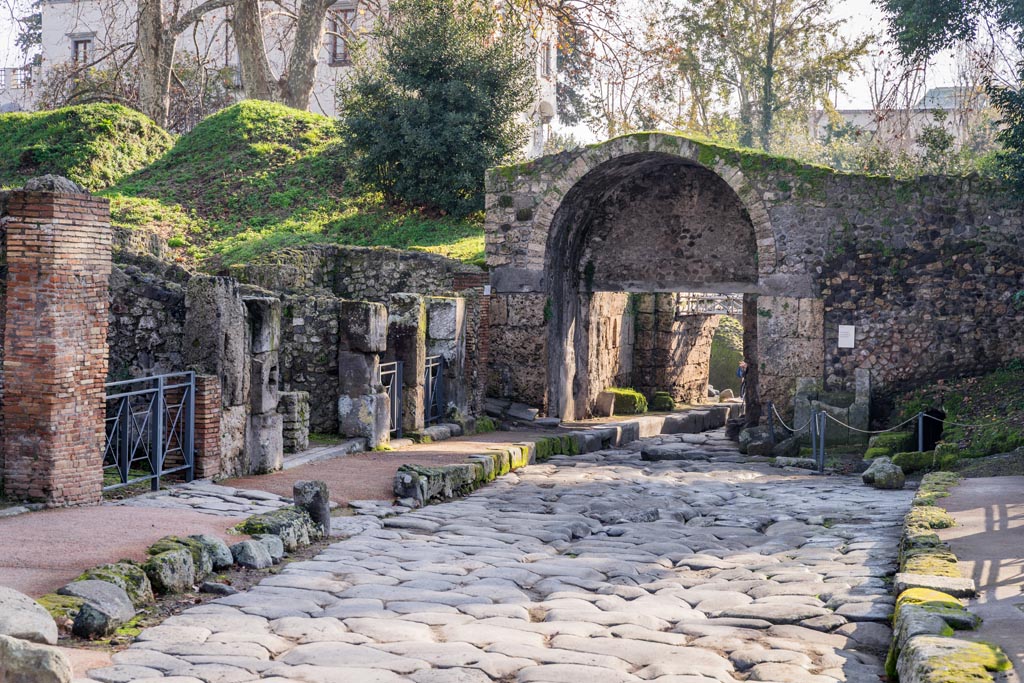
Porta Stabia, Pompeii. January 2023. Looking south towards gate, from Via Stabiana. Photo courtesy of Johannes Eber.
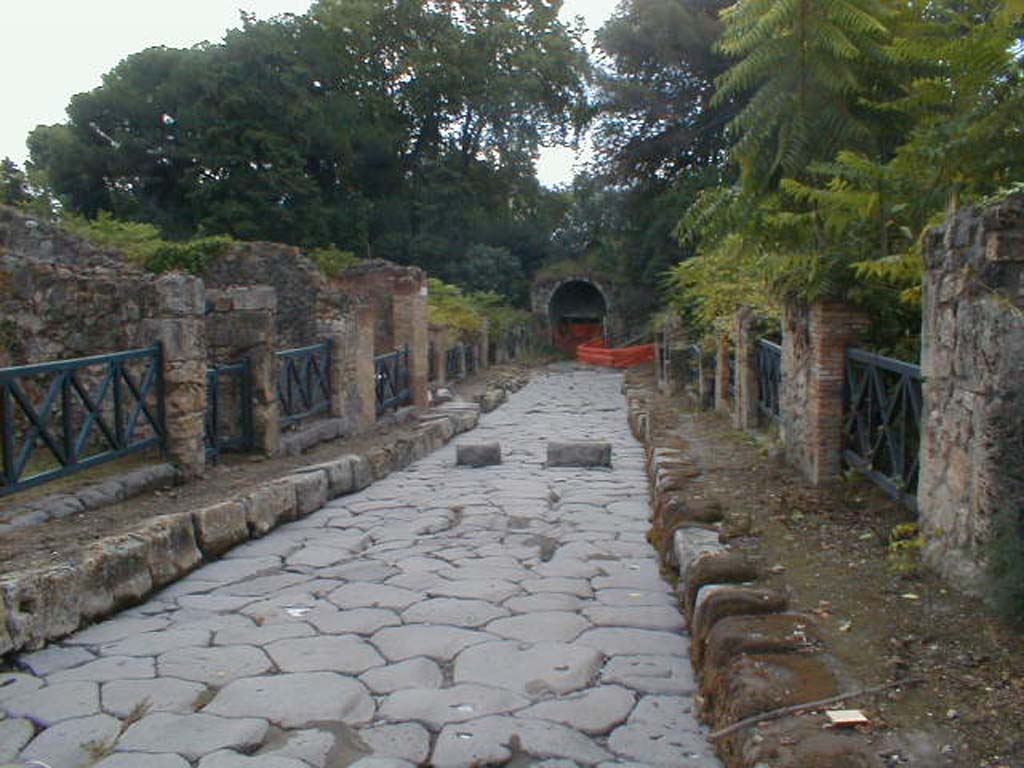
Pompeii Stabian Gate. September 2004. Looking south towards gate, from Via Stabiana.
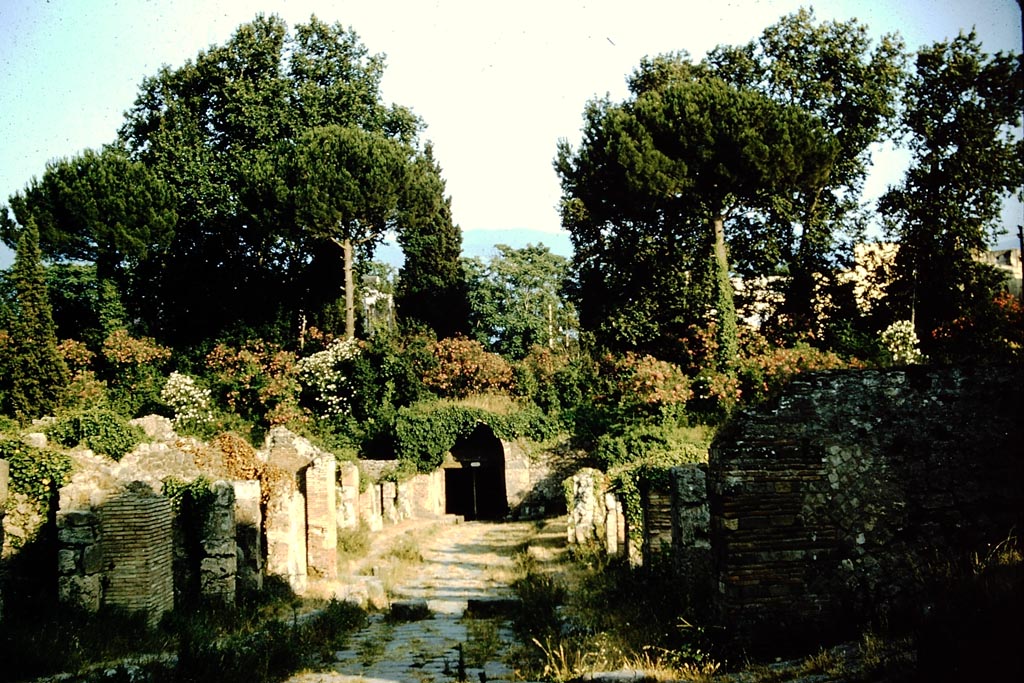
Pompeii Stabian Gate. 1957. Looking south along the Via Stabiana. Photo by Stanley A. Jashemski.
Source: The Wilhelmina and Stanley A. Jashemski archive in the University of Maryland Library, Special Collections (See collection page) and made available under the Creative Commons Attribution-Non-Commercial License v.4. See Licence and use details.
J57f0420
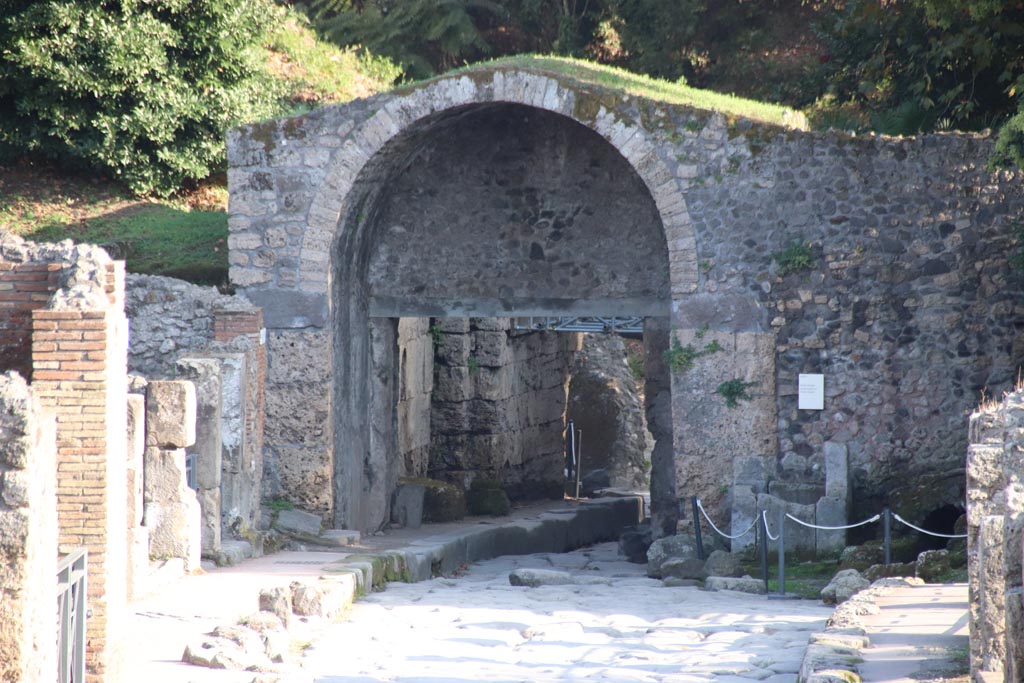
Pompeii Stabian Gate. October
2023. Looking south from Via Stabiana. Photo courtesy of Klaus Heese.
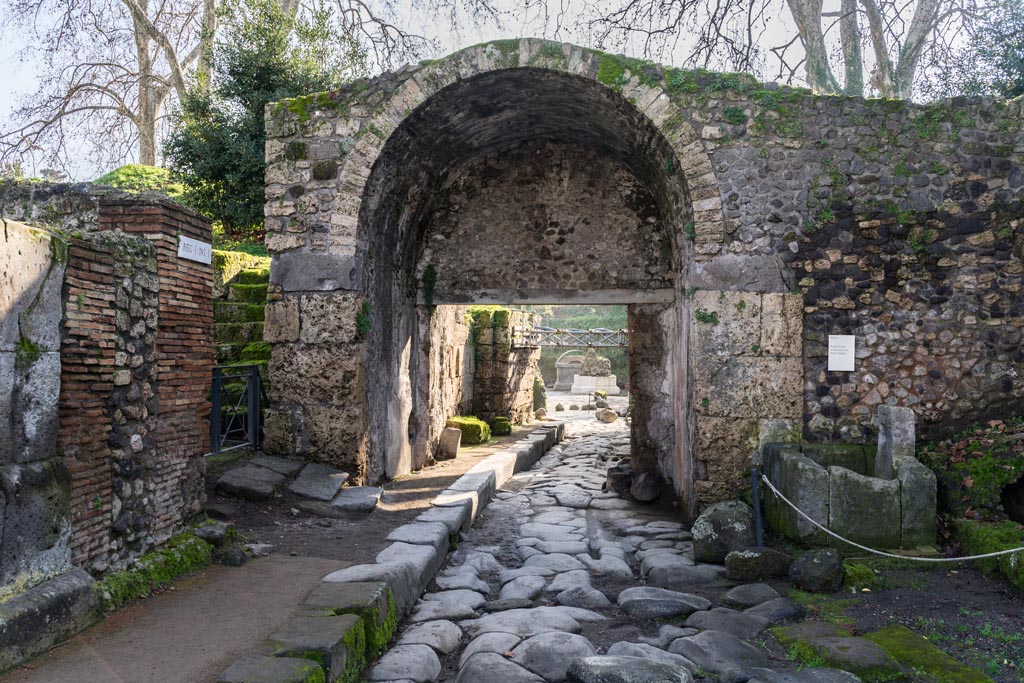
Porta Stabia, Pompeii. January 2023. Looking south from north side. Photo courtesy of Johannes Eber.
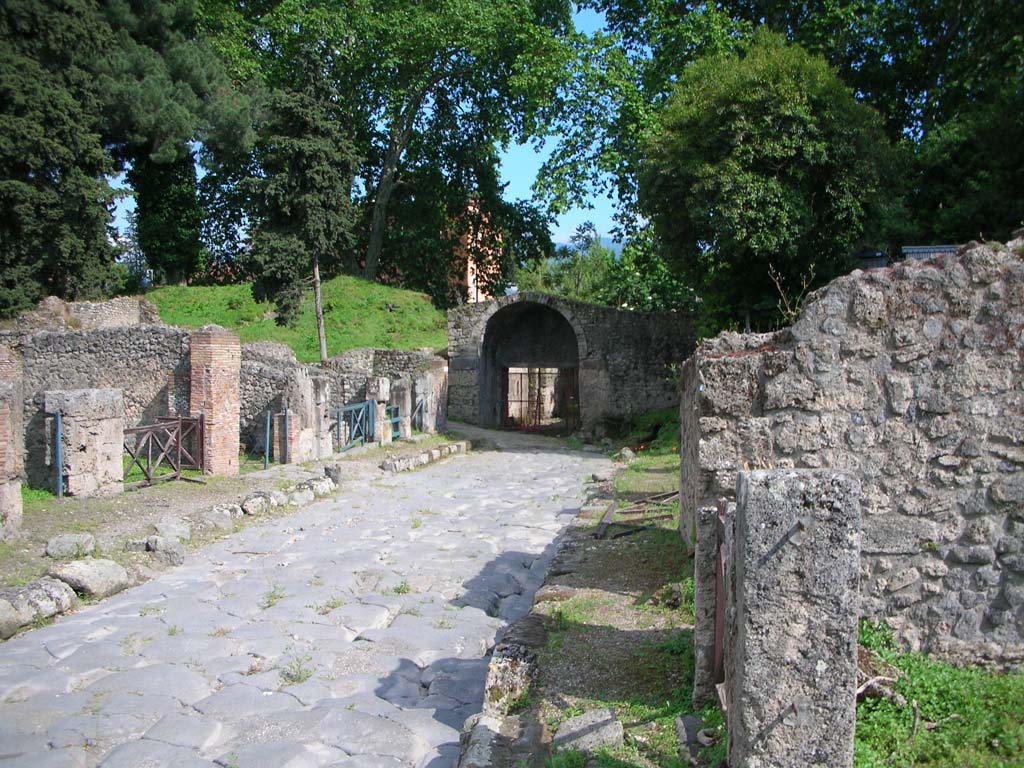
Via Stabiana, Pompeii. May 2010. Looking south towards Porta Stabia. Photo courtesy of Ivo van der Graaff.
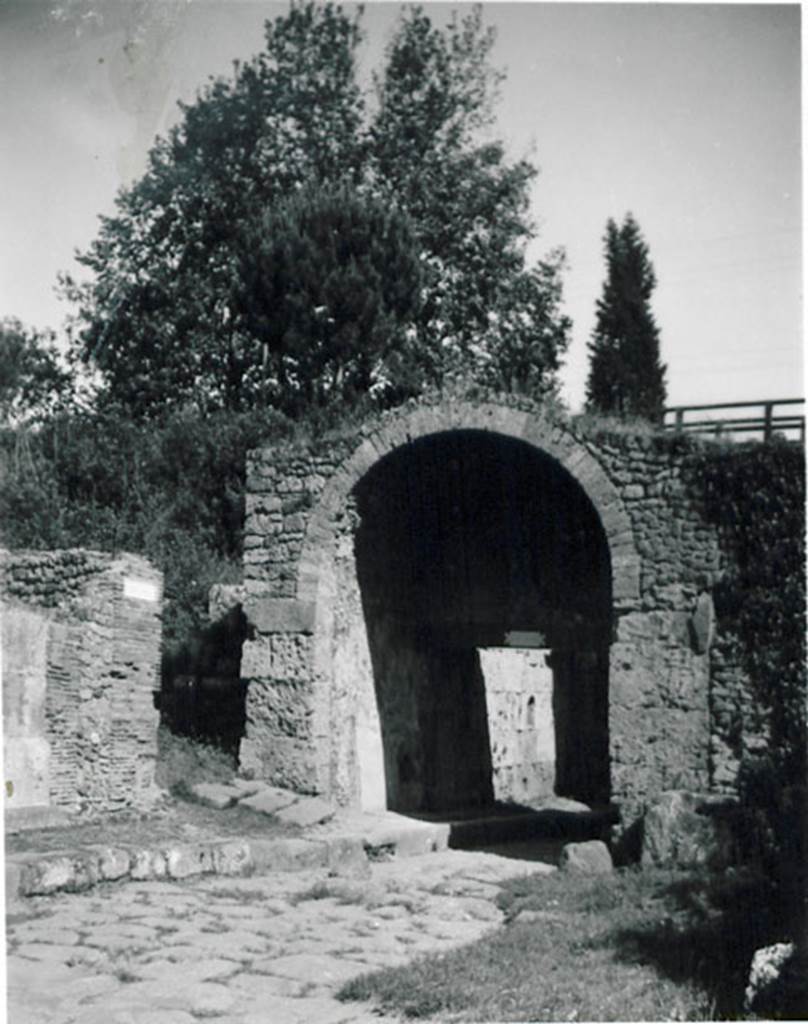
Pompeii Stabian Gate. Photograph c. 1936 by Tatiana Warscher.
Looking from the Via Stabiana to the Porta Stabia.
See Warscher T., 1936. Codex Topographicus Pompeianus Regio I.1, I.5. Rome: DAIR. No. 10.
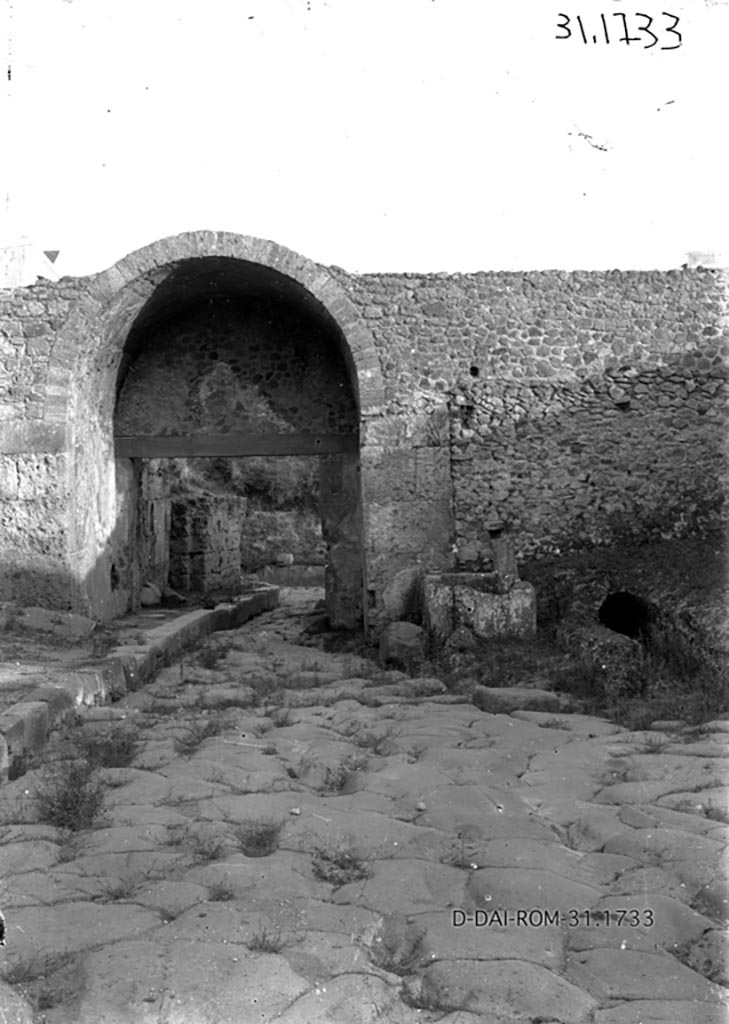
Porta Stabia, Pompeii. 1931. Looking south towards Porta Stabia. Photo by Hofmann.
DAIR 31.1733. Photo
© Deutsches Archäologisches Institut, Abteilung Rom, Arkiv.
Photo courtesy of Ivo van der Graaff.
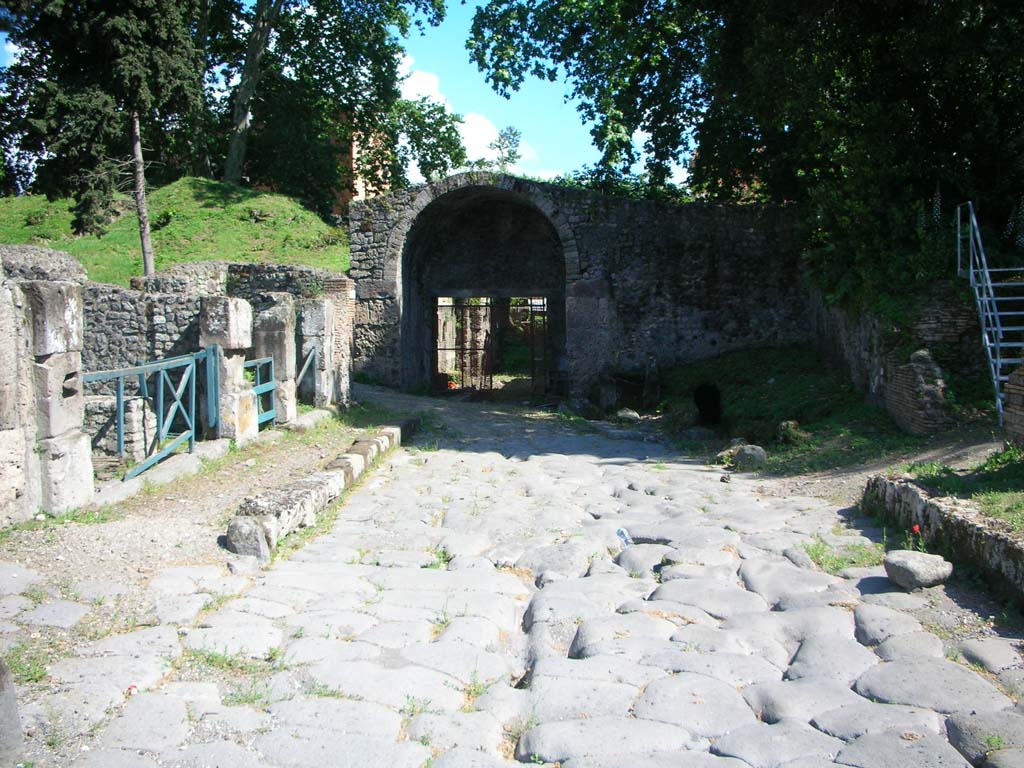
Porta Stabia, Pompeii. May 2010. Looking south towards gate on Via Stabiana. Photo courtesy of Ivo van der Graaff.
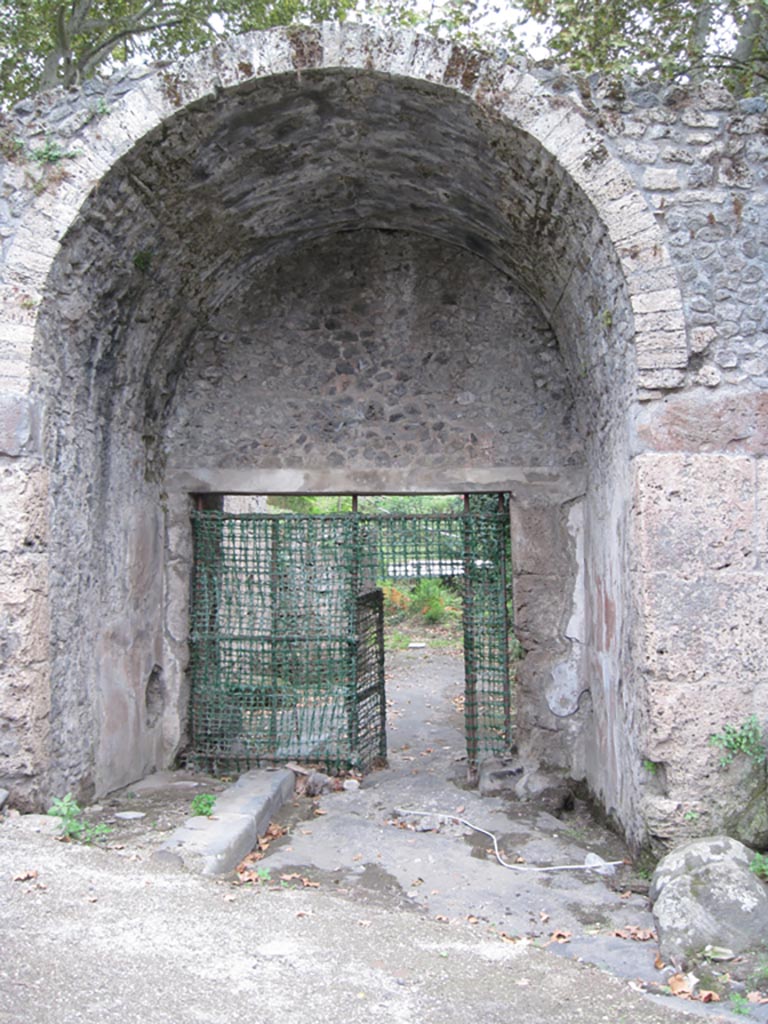
Pompeii Stabian Gate. September 2010. Looking south from north side. Photo courtesy of Drew Baker.
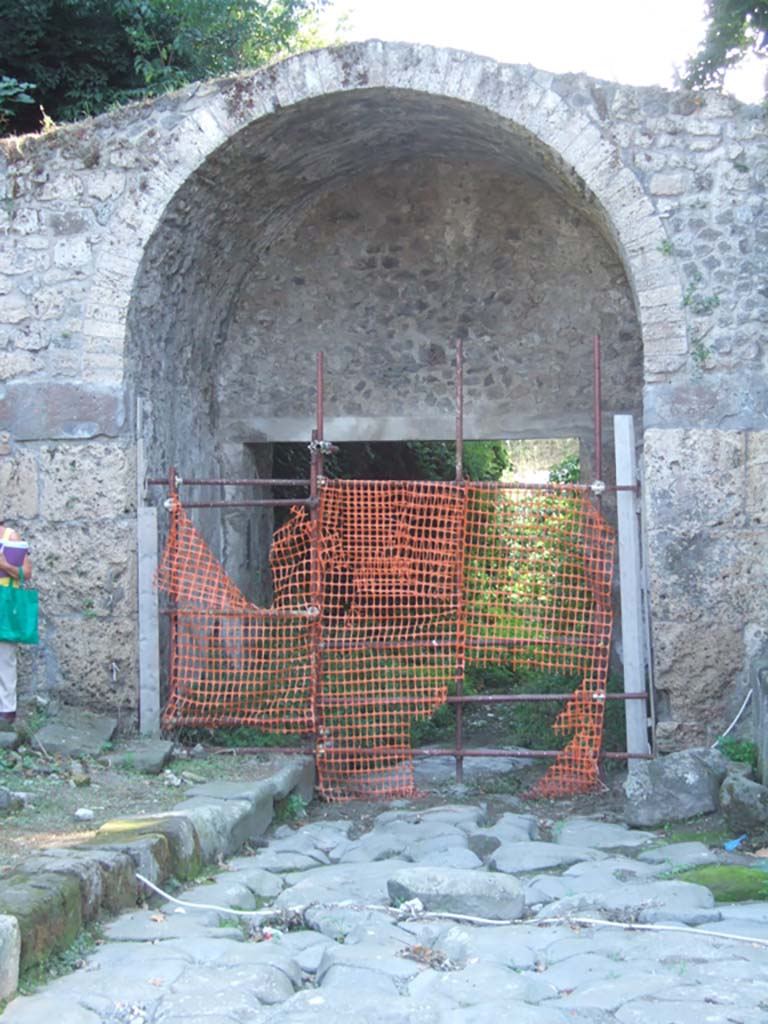
Pompeii Stabian Gate. September 2005. Looking south from north side.
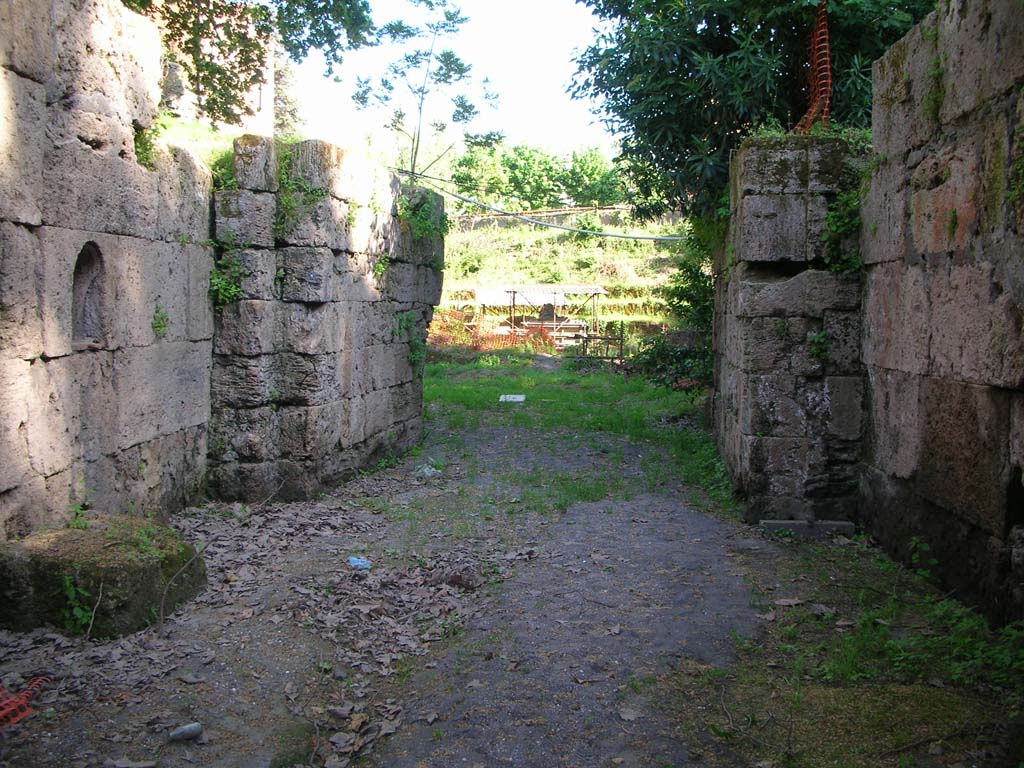
Porta Stabia, Pompeii. May 2010. Looking south through gate. Photo courtesy of Ivo van der Graaff.
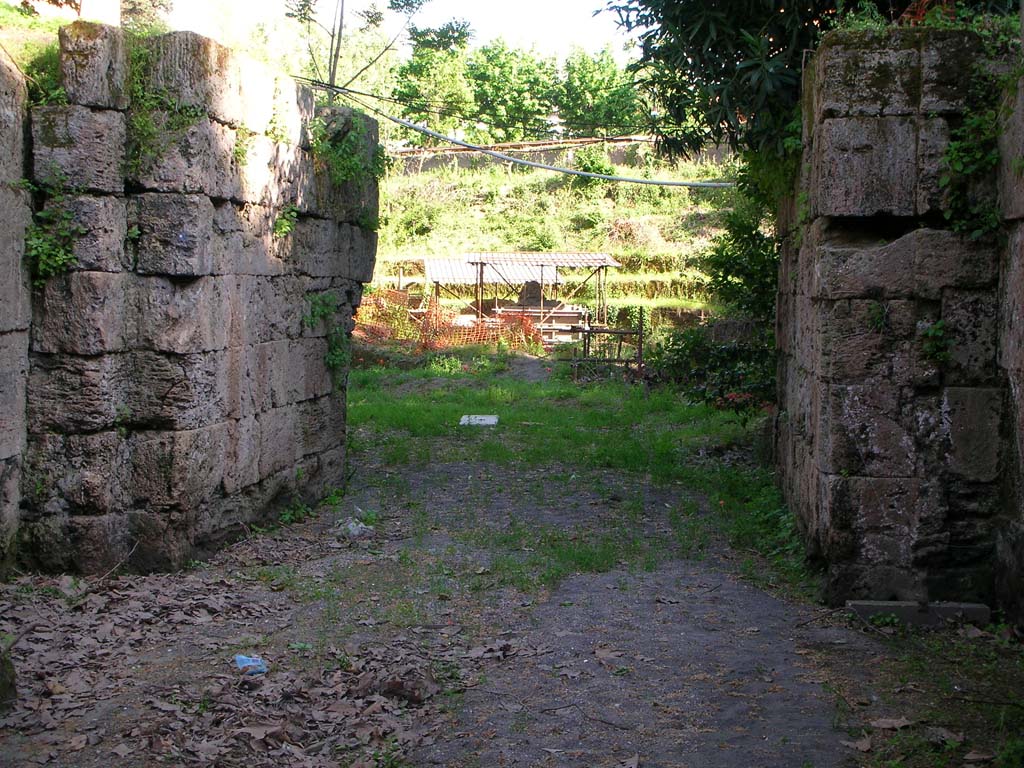
Porta Stabia, Pompeii. May 2010. Looking through gate at south end. Photo courtesy of Ivo van der Graaff.
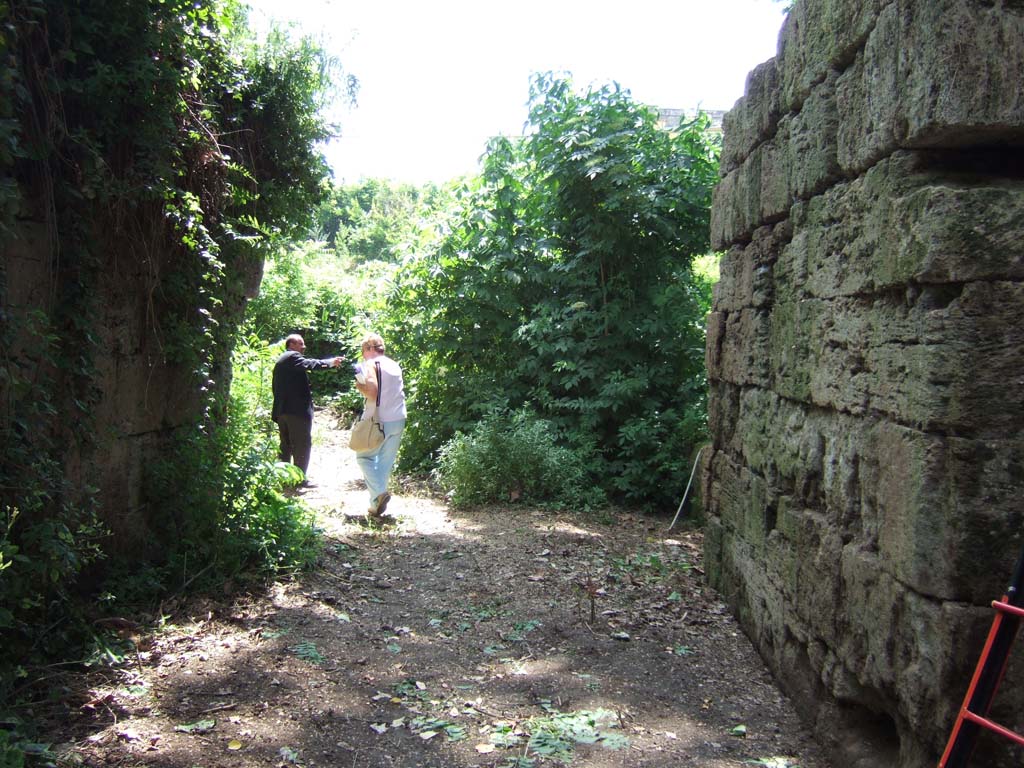
Pompeii Stabian Gate. May 2006. Looking south through gate.
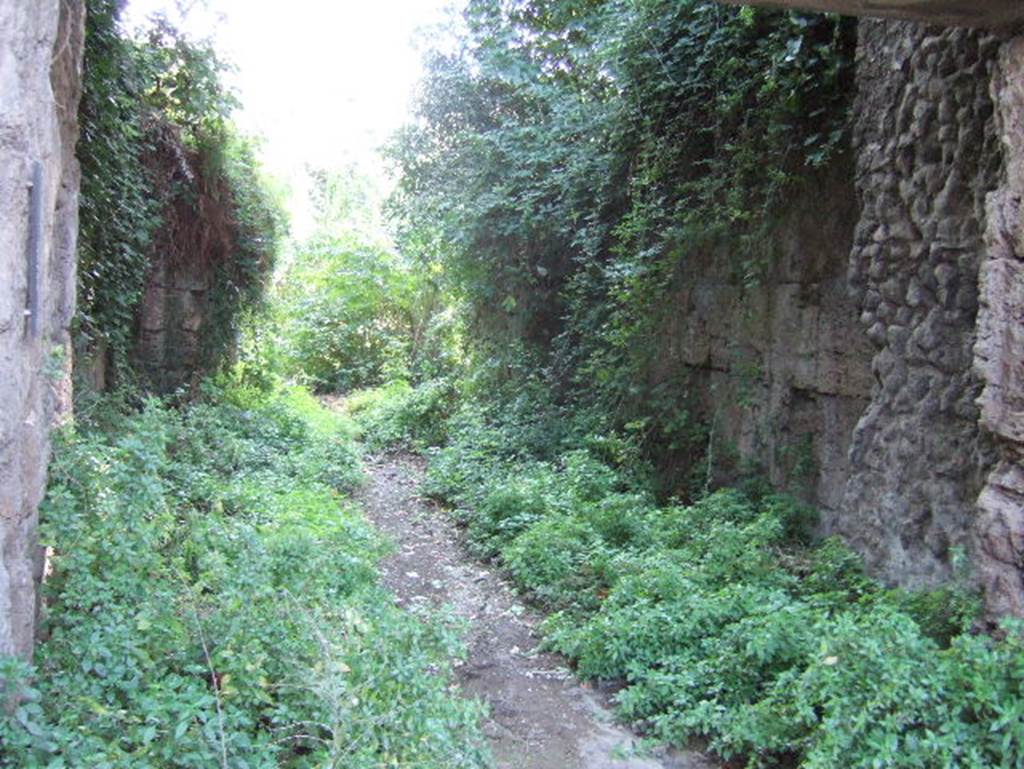
Pompeii Stabian Gate. September 2005. Looking south through gate.
Looking south to west side of gate.
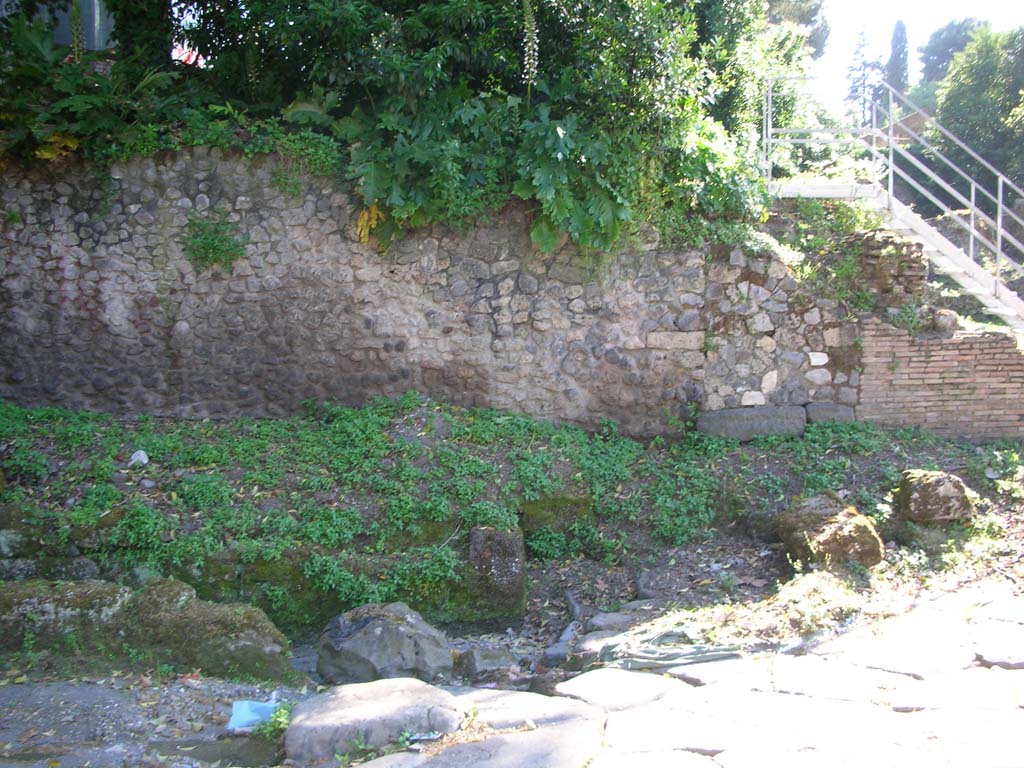
Porta Stabia, Pompeii. May 2010. Drain on north-west side of gate, on Via Stabiana. Photo courtesy of Ivo van der Graaff.
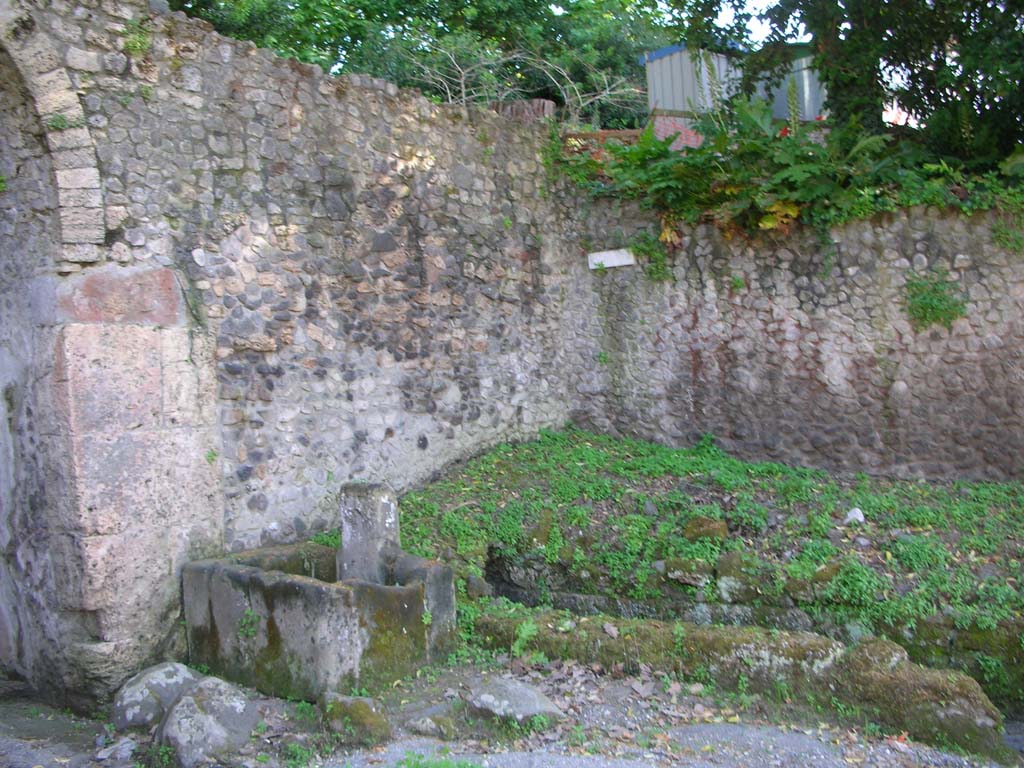
Porta Stabia, Pompeii. May 2010.
Looking towards north-west side of gate, with fountain and course of drain. Photo courtesy of Ivo van der Graaff.
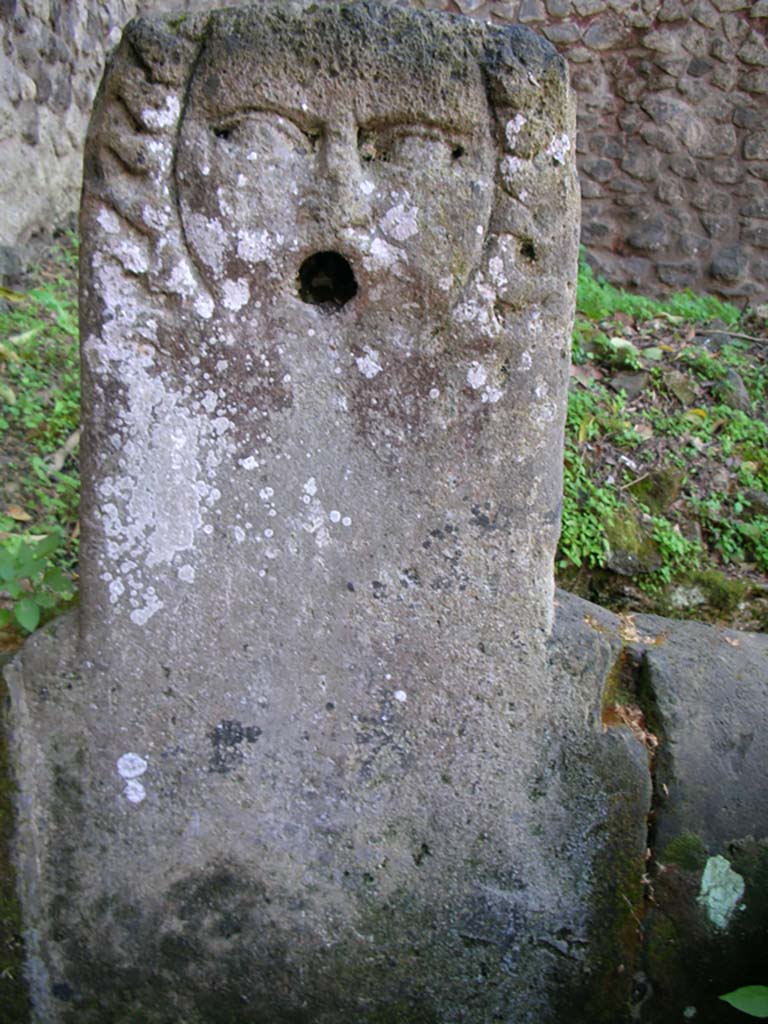
Porta Stabia, Pompeii. May 2010. Fountain with relief, possibly of a river god.
Detail from fountain on north-west side of gate. Photo courtesy of Ivo van der Graaff.
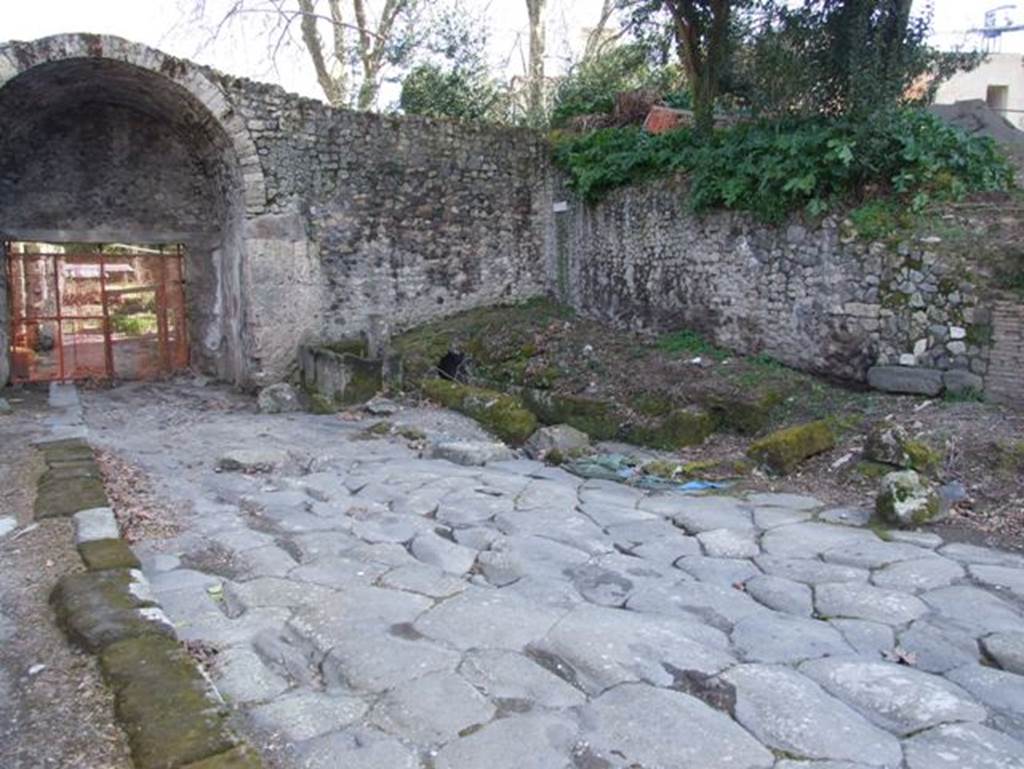
Pompeii Stabian Gate. March 2009.
North side of gate. Looking south with fountain in centre and drainage, to right of fountain, on west side.
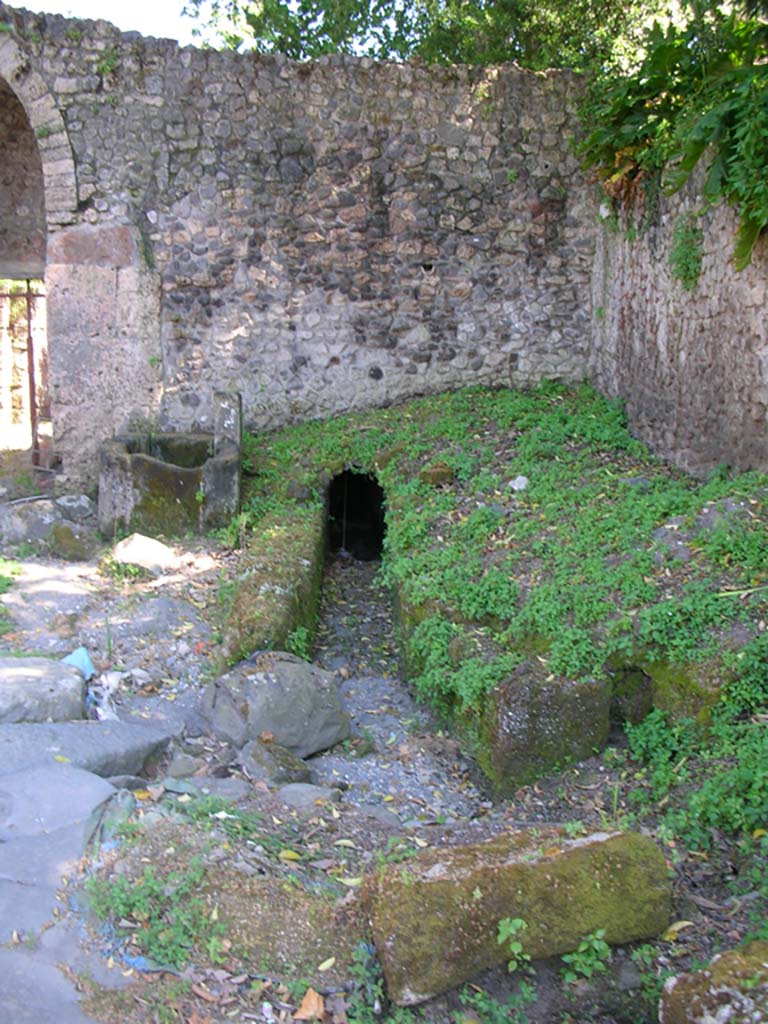
Porta Stabia, Pompeii. May 2010.
Looking south towards drain on north side of gate, with fountain, on left. Photo courtesy of Ivo van der Graaff.
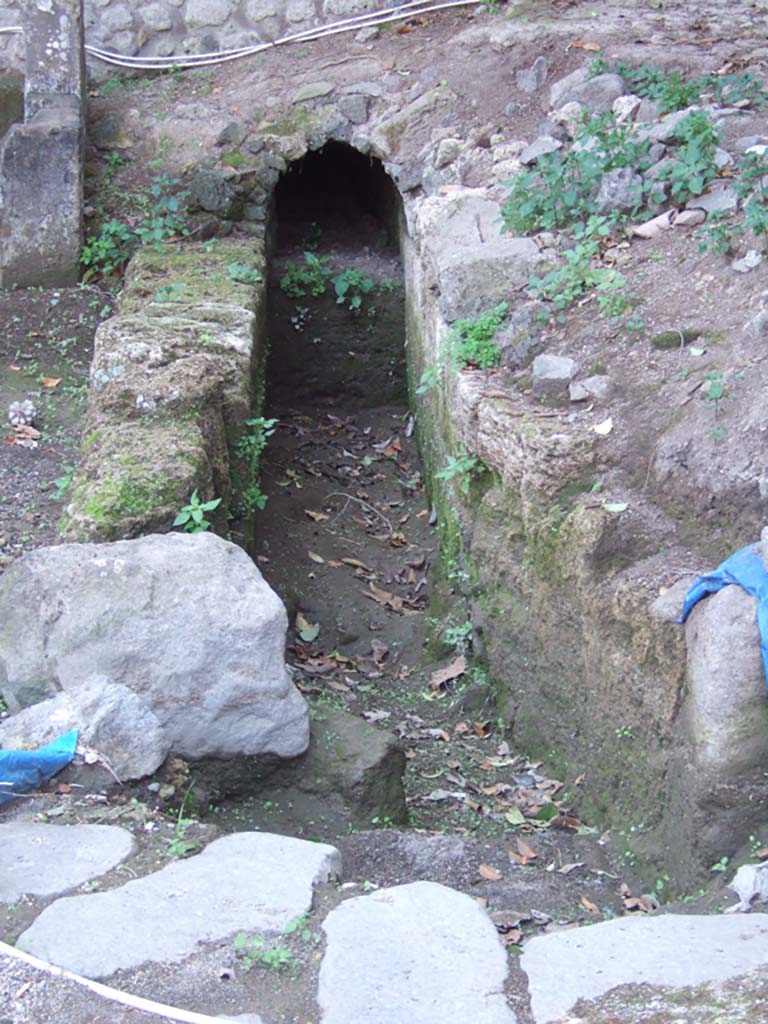
Pompeii Stabian Gate. September 2005. Drainage on north side of gate, at west end.
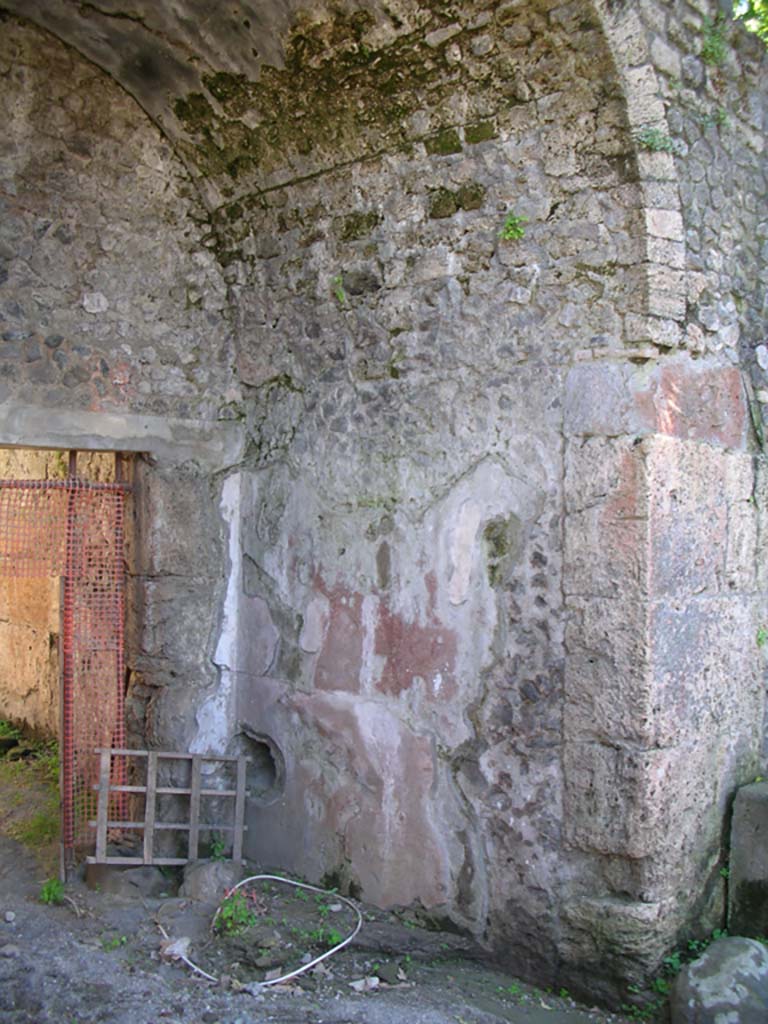
Porta Stabia, Pompeii. May 2010. West side of gate, at north end. Photo courtesy of Ivo van der Graaff.
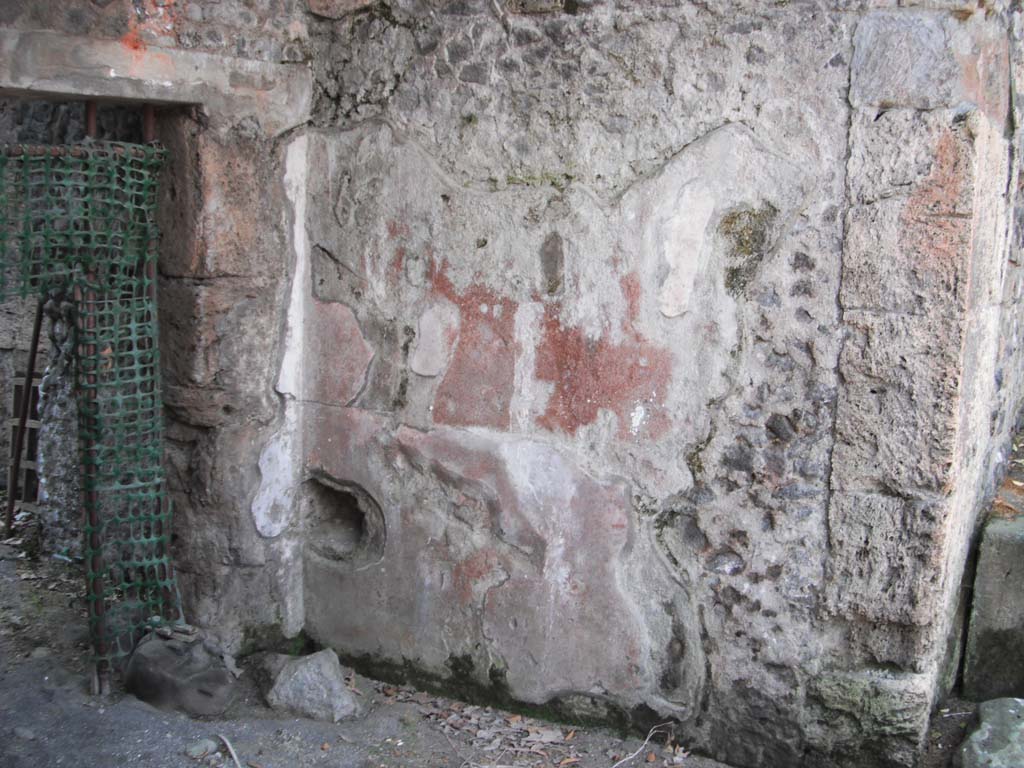
Porta Stabia, Pompeii. May 2011. West wall at north end of gate with remaining plaster. Photo courtesy of Ivo van der Graaff.
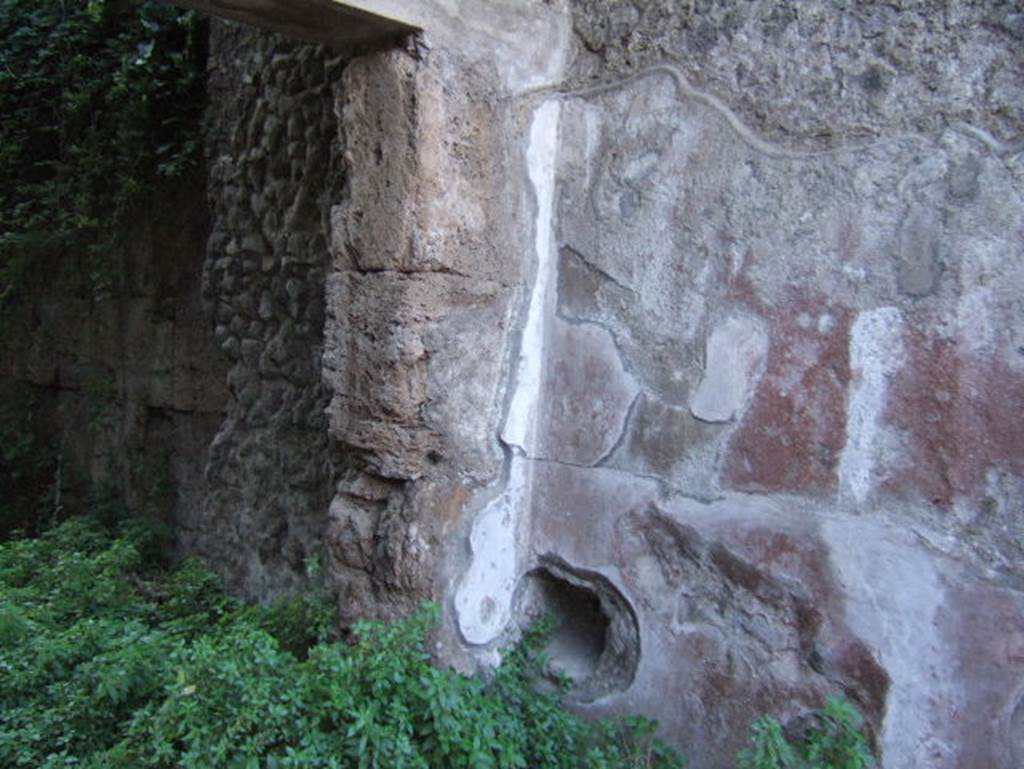
Pompeii Stabian Gate. September 2005. Plaster on west side of gate.
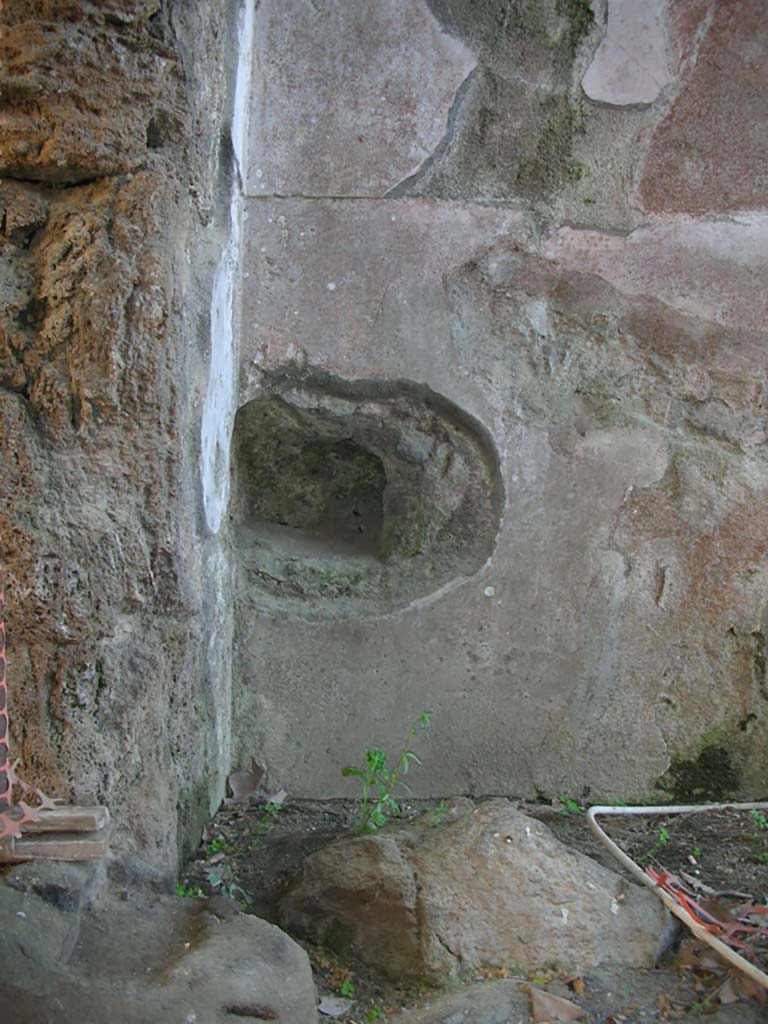
Porta Stabia, Pompeii. May 2010.
Detail from west side of gate, at north end. Photo courtesy of Ivo van der Graaff.
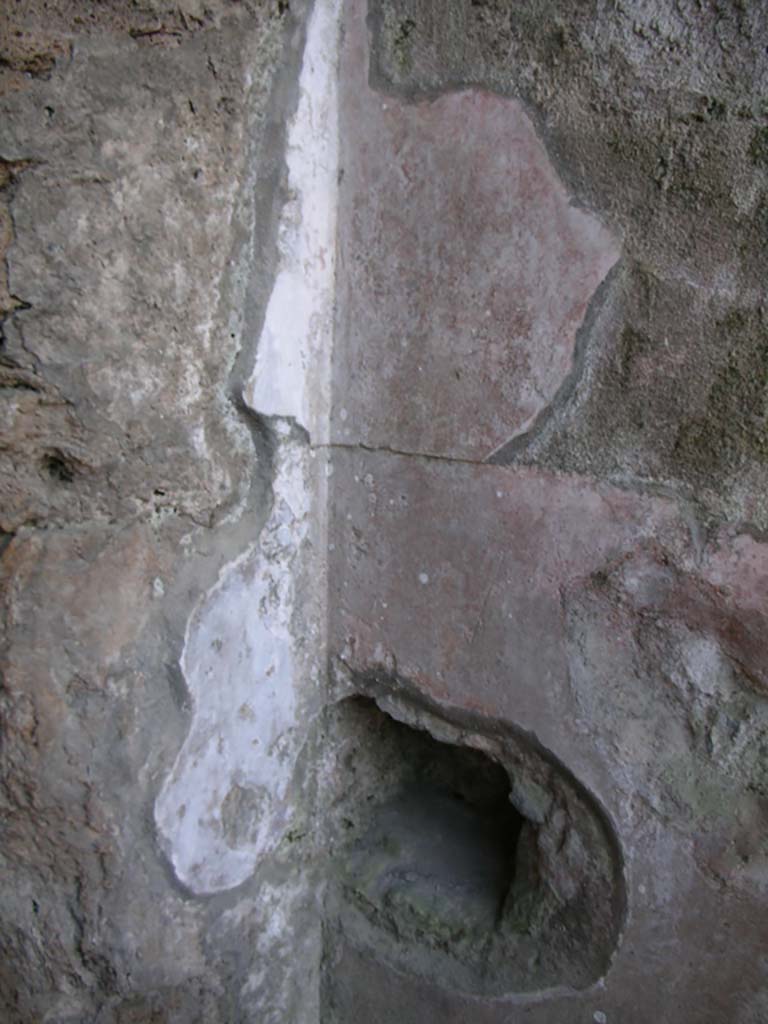
Porta Stabia, Pompeii. May 2010.
Detail from west side of gate at north end. Photo courtesy of Ivo van der Graaff.
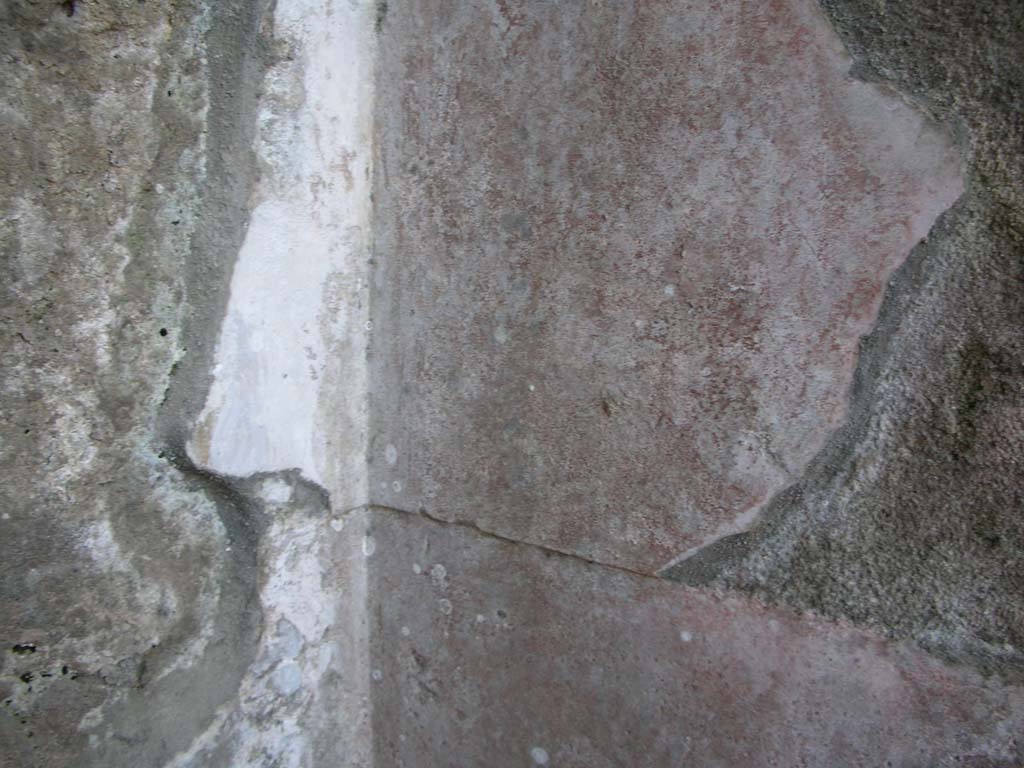
Porta Stabia, Pompeii. May 2010. Detail of plaster from west side of gate at north end. Photo courtesy of Ivo van der Graaff.
According to Van der Graaff –
“Bechi, writing in 1851 shortly after the excavation of the Porta Stabia, described the vault as collapsed but decorated in the same white First Style stucco as the current Porta Ercolano (Note 92).
Predictably, considering his instrumental role in defining the four Roman painting Styles, the only author who actually mentions any colour on the structures is August Mau. He described the interior of the vaults at the Porta Stabia and Porta Nola as carrying a yellow elevated socle receding into a simple smooth white plane above (Note 93). Such a scheme is relatively straightforward, yet, as Mau explicitly details, the plaster itself achieves the highest possible quality (Note 94).”
See Van der Graaff, I. (2018). The Fortifications of
Pompeii and Ancient Italy. Routledge, (p.70).
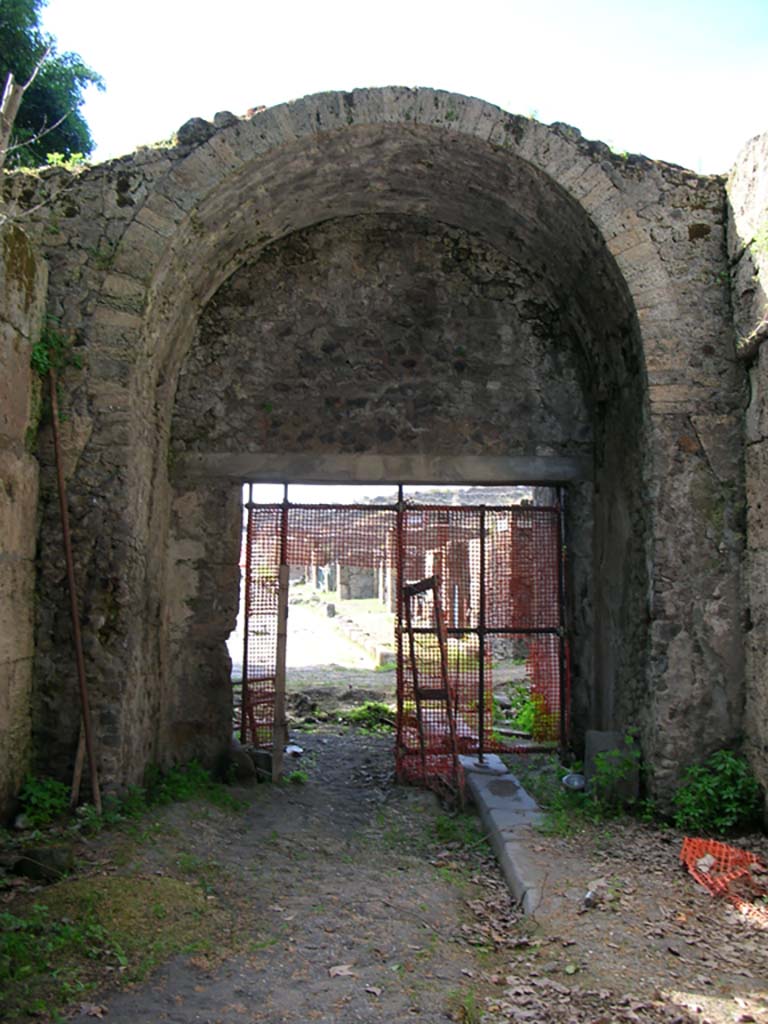
Porta Stabia, Pompeii. May 2010. Looking north through gate. Photo courtesy of Ivo van der Graaff.
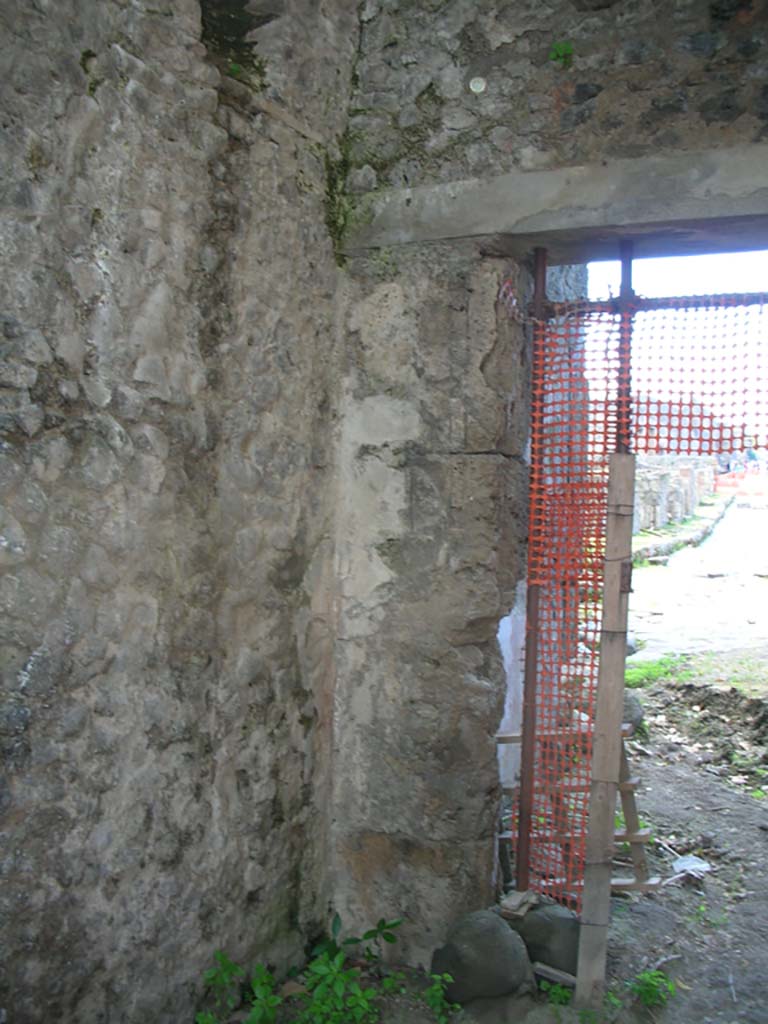
Porta Stabia, Pompeii. May 2010.
Remaining plaster on west side of gate at north end. Photo courtesy of Ivo van der Graaff.
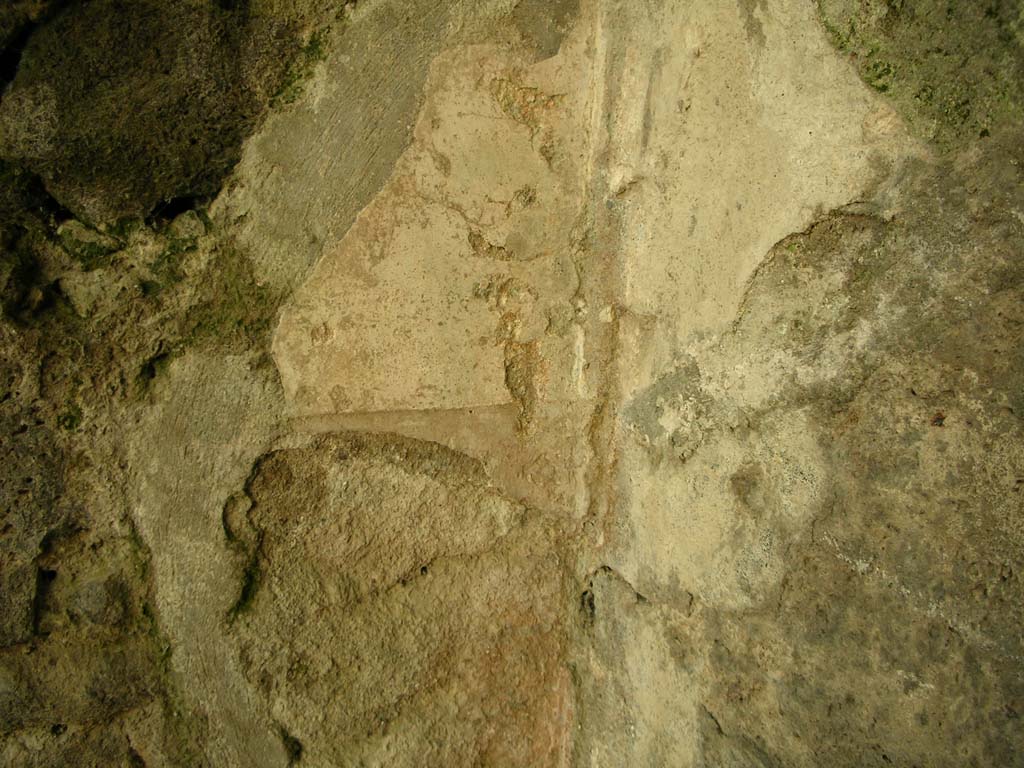
Porta Stabia, Pompeii. May 2010. West wall at north end corner detail from inside arch vault. Photo courtesy of Ivo van der Graaff.
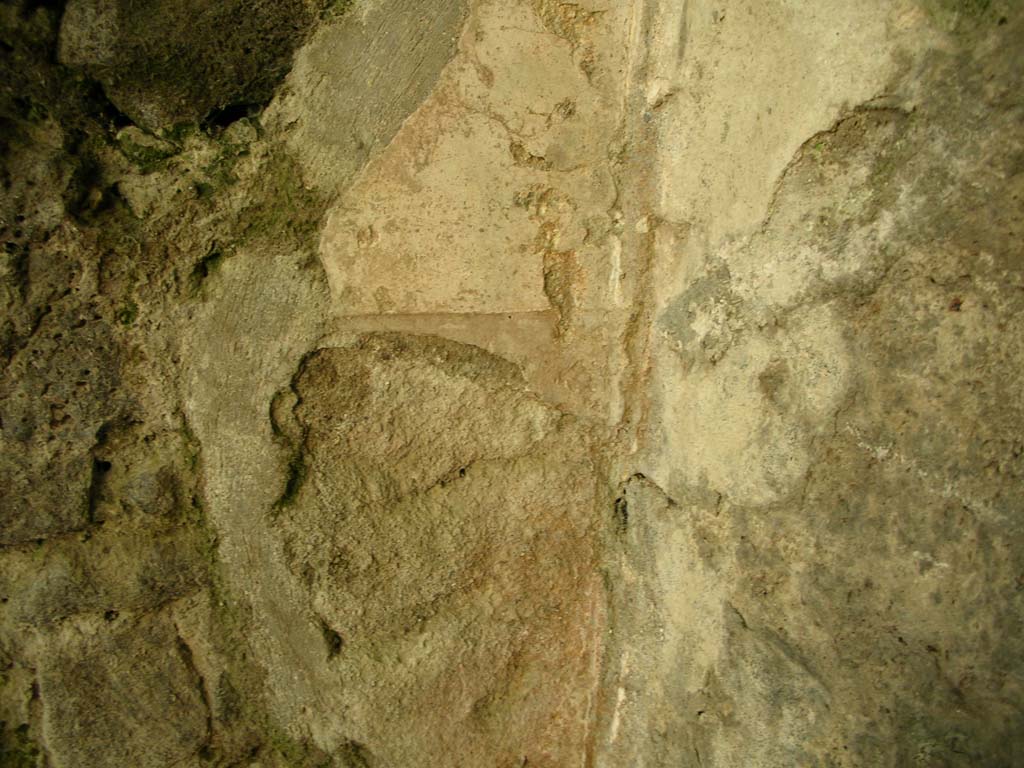
Porta Stabia, Pompeii. May 2010.
Detail of remaining plaster on west wall at north end corner inside arch vault. hoto courtesy of Ivo van der Graaff.
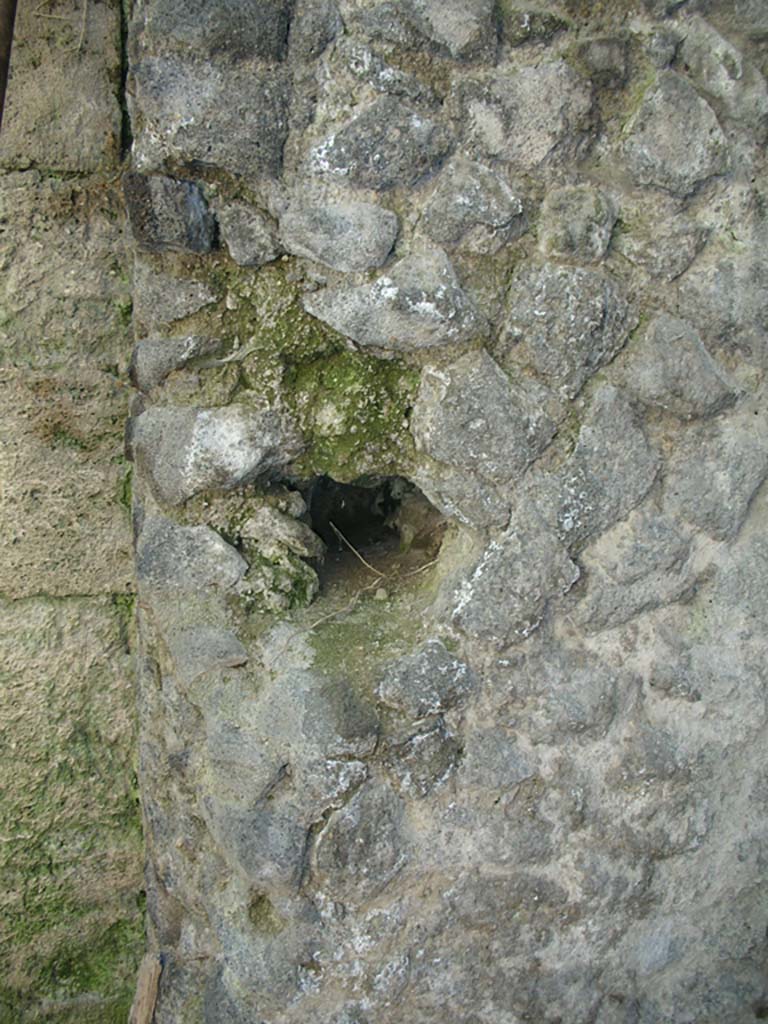
Porta Stabia, Pompeii. May 2010.
Detail from west wall near gate at north end. Photo courtesy of Ivo van der Graaff.
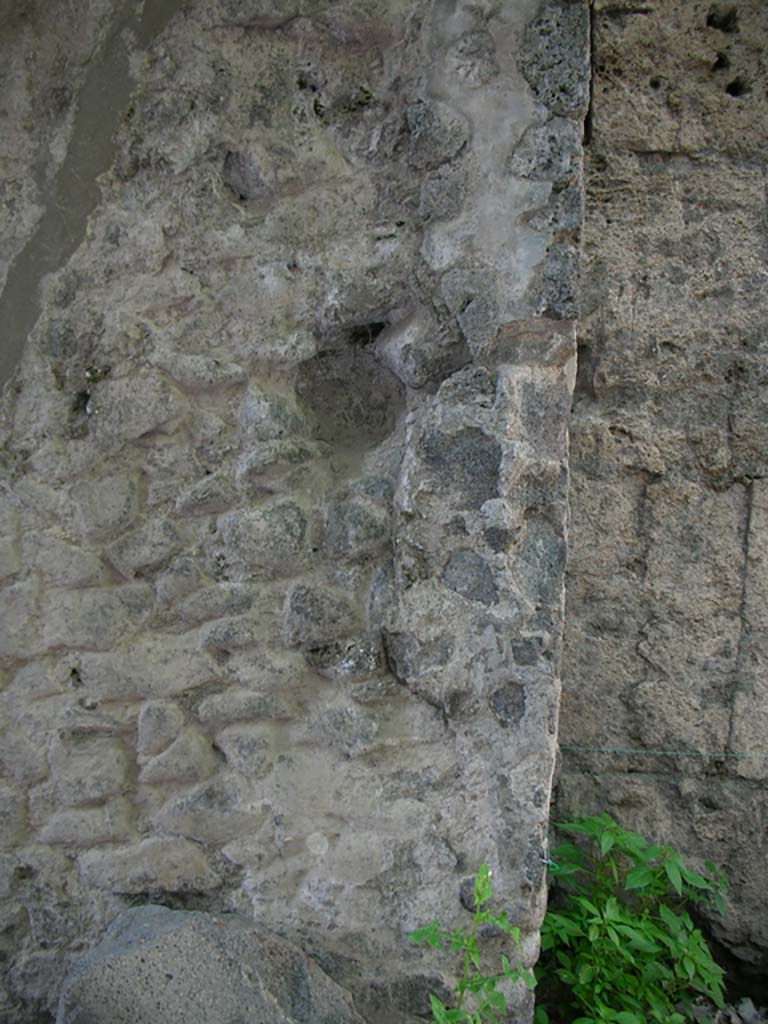
Porta Stabia, Pompeii. May 2010.
East wall, detail from east wall near gate at north end. Photo courtesy of Ivo van der Graaff.
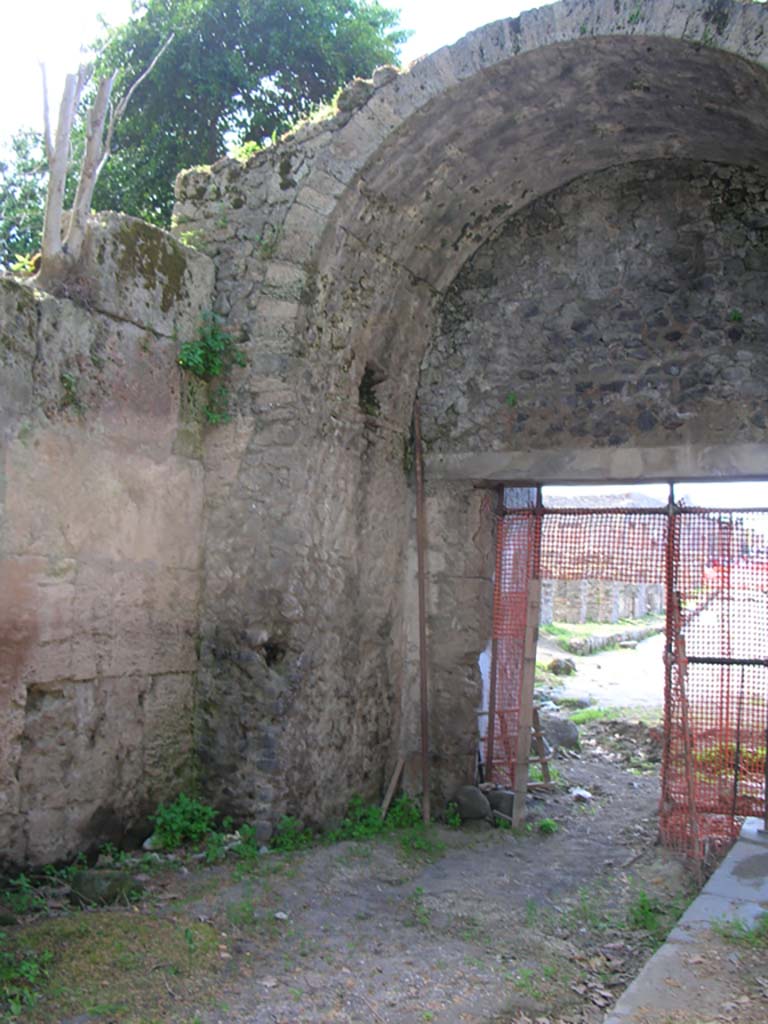
Porta Stabia, Pompeii. May 2010. West side of gate, at north end. Photo courtesy of Ivo van der Graaff.
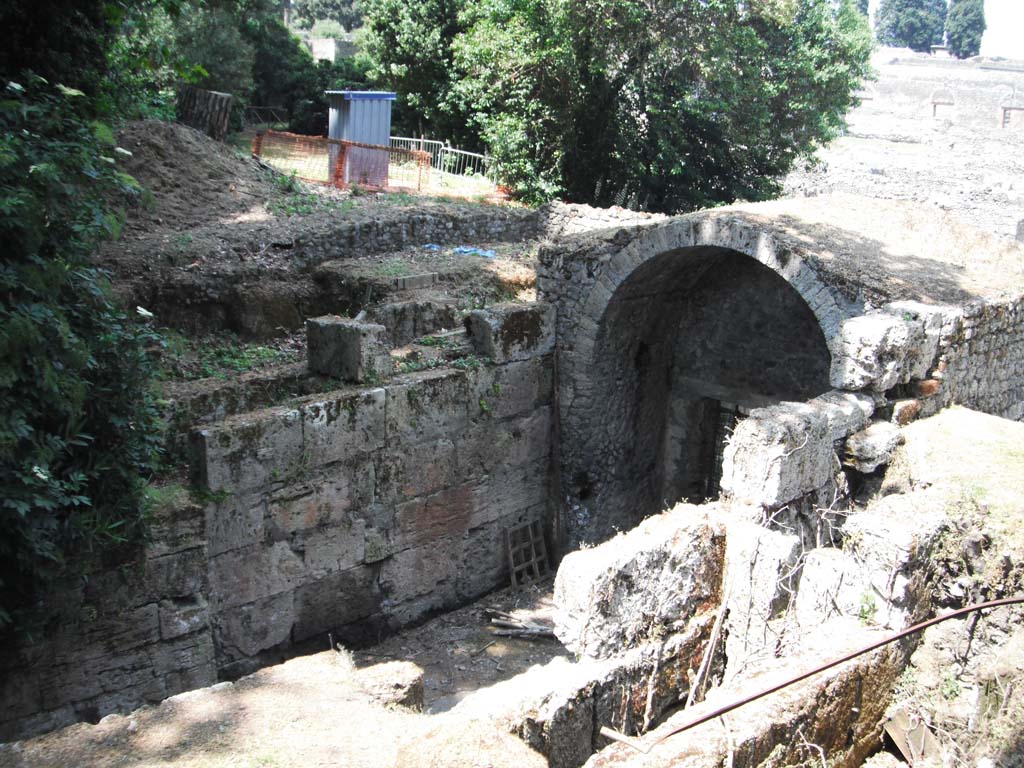
Porta Stabia, Pompeii. May 2011. Looking towards west wall and gate at north end. Photo courtesy of Ivo van der Graaff.
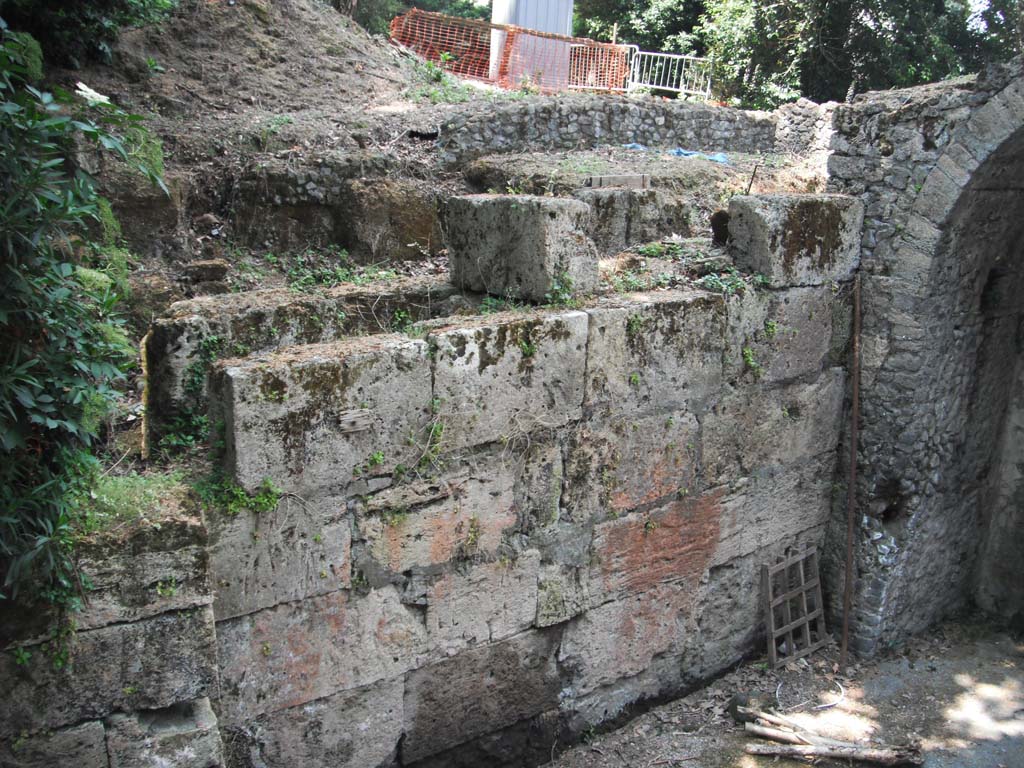
Porta Stabia, Pompeii. May 2011. Detail of west wall and south side of gate at north end. Photo courtesy of Ivo van der Graaff.
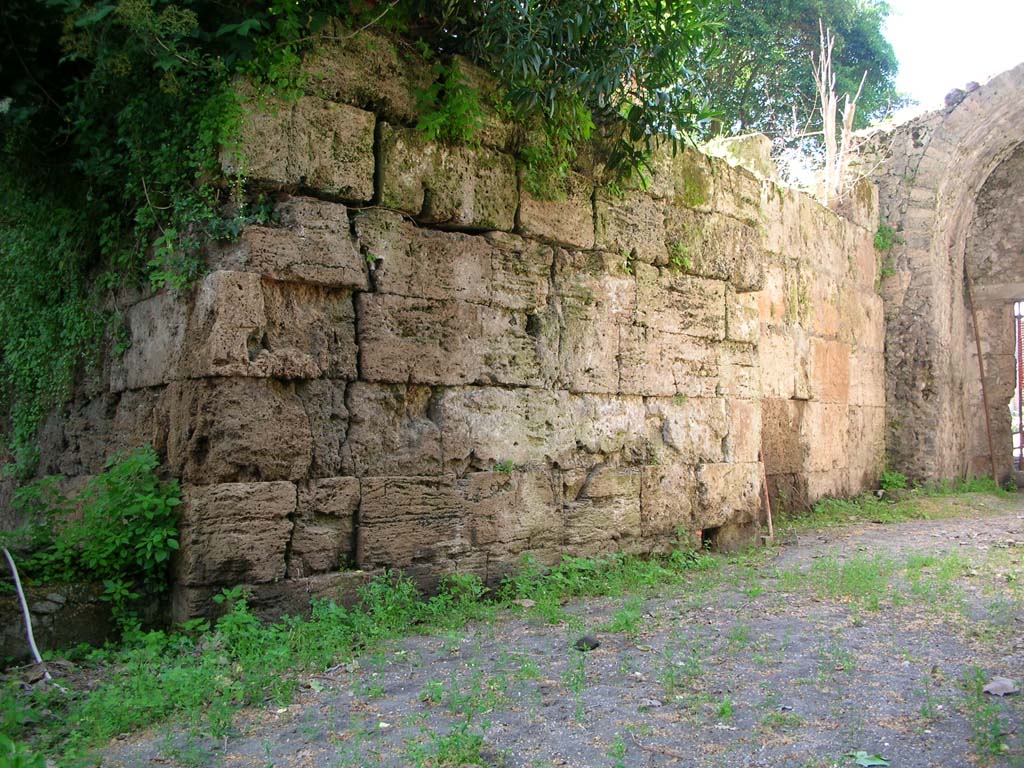
Porta Stabia, Pompeii. May 2010. Looking north along west wall of gate. Photo courtesy of Ivo van der Graaff.
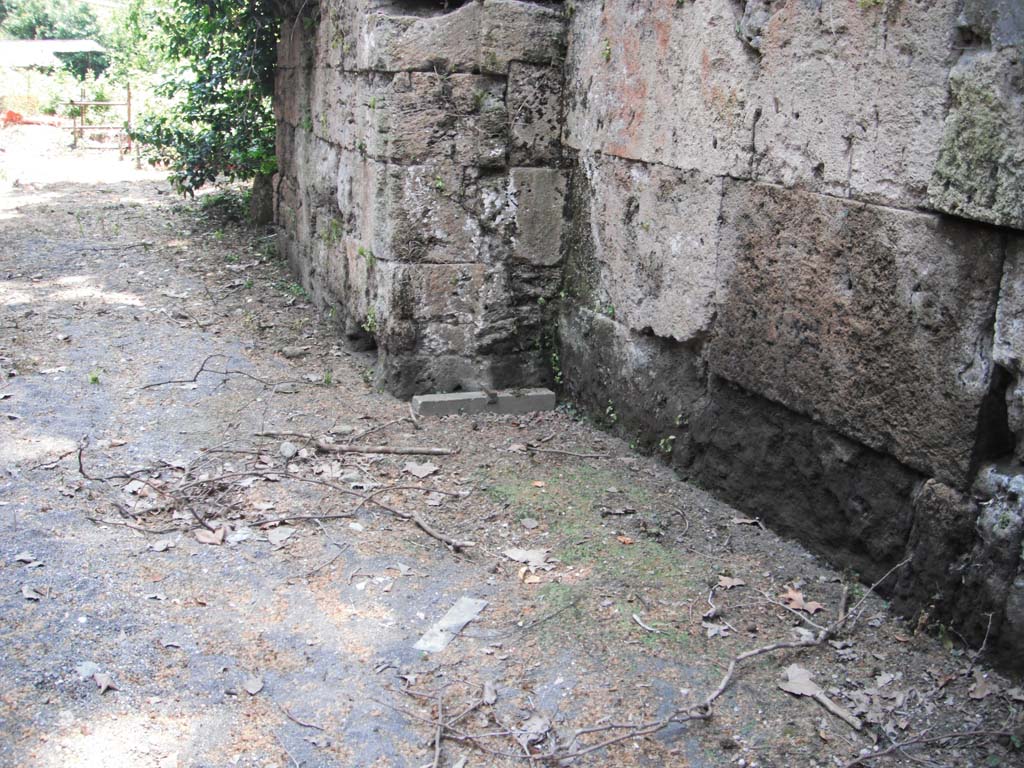
Porta Stabia, Pompeii. May 2011. Looking south along west wall. Photo courtesy of Ivo van der Graaff.
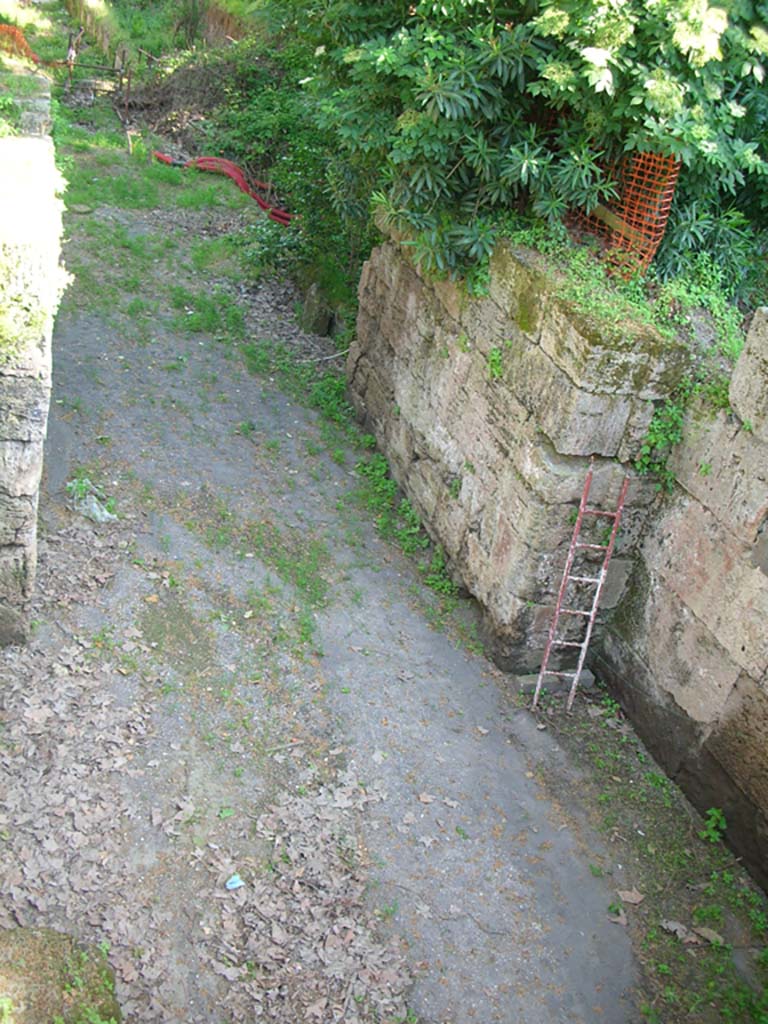
Porta Stabia, Pompeii. May 2010.
Looking towards west side of south end of gate, from upper east side. Photo courtesy of Ivo van der Graaff.
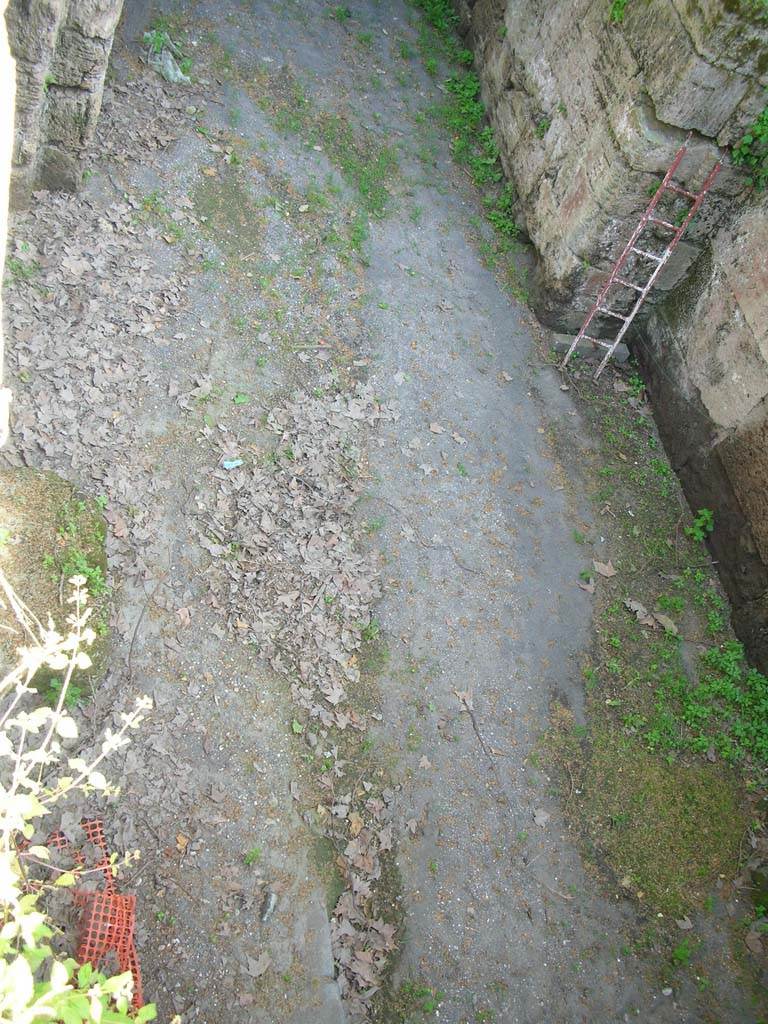
Porta Stabia, Pompeii. May 2010.
Flooring in gate, looking south from upper east side. Photo courtesy of Ivo van der Graaff.
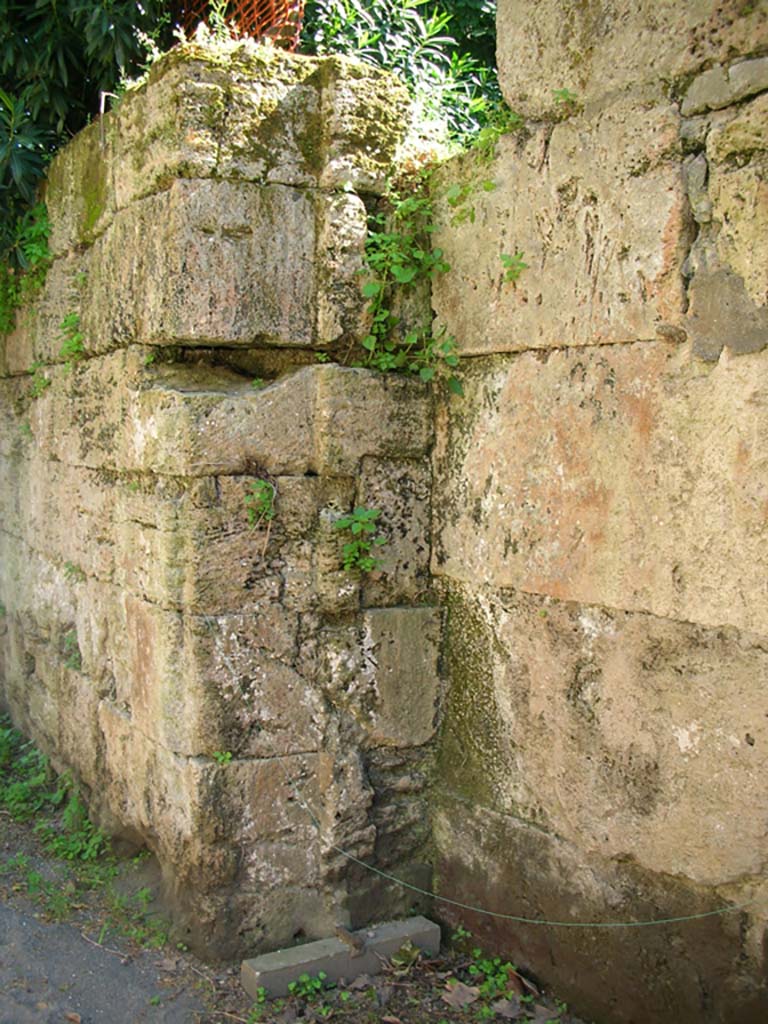
Porta Stabia, Pompeii. May 2010. Looking south towards west wall. Photo courtesy of Ivo van der Graaff.
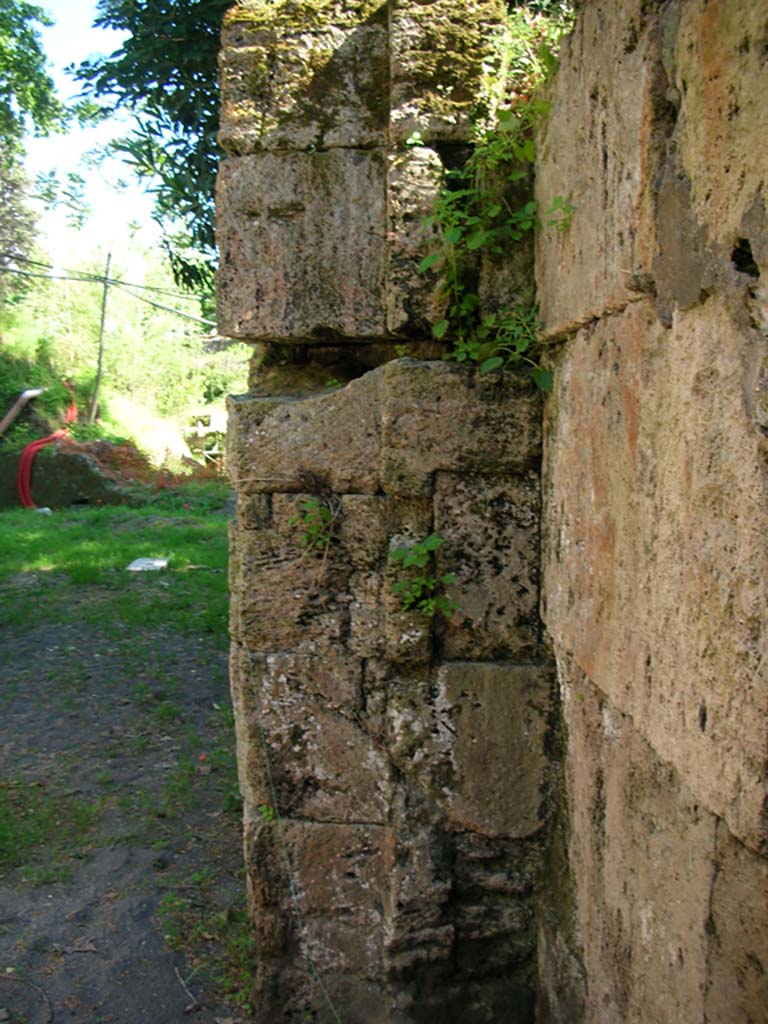
Porta Stabia, Pompeii. May 2010.
Looking south towards west wall, detail. Photo courtesy of Ivo van der Graaff.
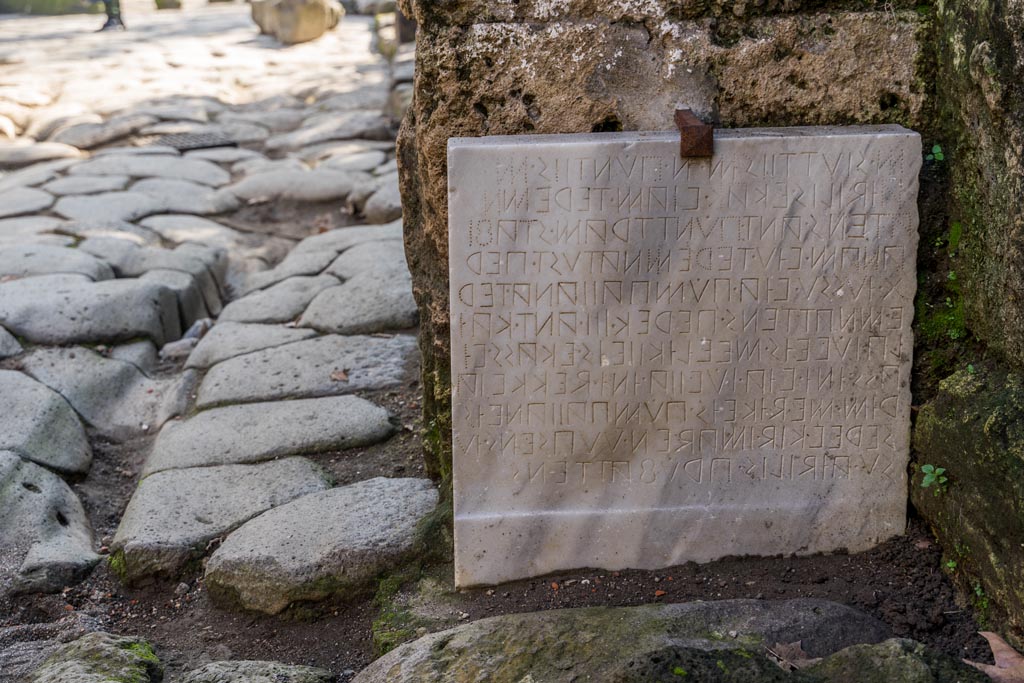
Porta Stabia, Pompeii. January 2023. Oscan inscription on west side of gate. Photo courtesy of Johannes Eber.
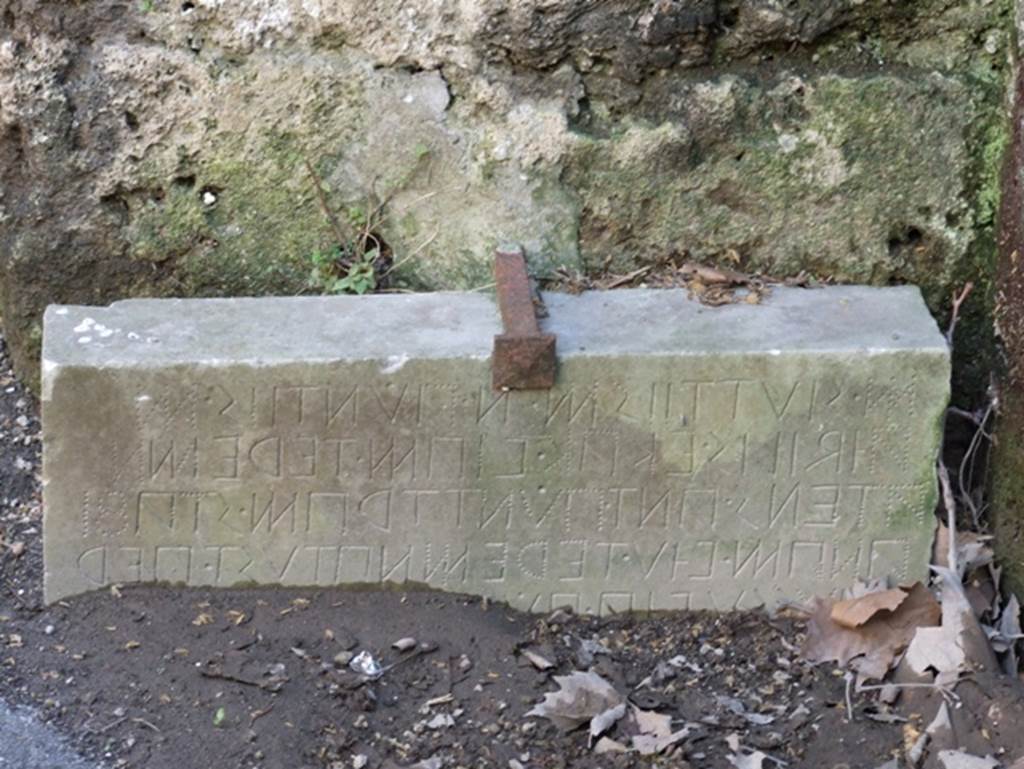
Pompeii Stabian Gate. March 2009. Oscan inscription near west side.
![Reproduction of the inscription by Fiorelli. [Descrizione 1875 p. 29]. Only four of the eleven lines were visible in March 2009, with seven buried. See Pappalardo, U., 2001. La Descrizione di Pompei per Giuseppe Fiorelli (1875). Napoli: Massa Editore. P. 31](Gate%20Stabian_files/image061.jpg)
Reproduction of the inscription by Fiorelli. [Descrizione 1875 p. 29]. Only four of the eleven lines were visible in March 2009, with seven buried.
See Pappalardo, U., 2001. La Descrizione di Pompei per Giuseppe Fiorelli (1875). Napoli: Massa Editore. P. 31
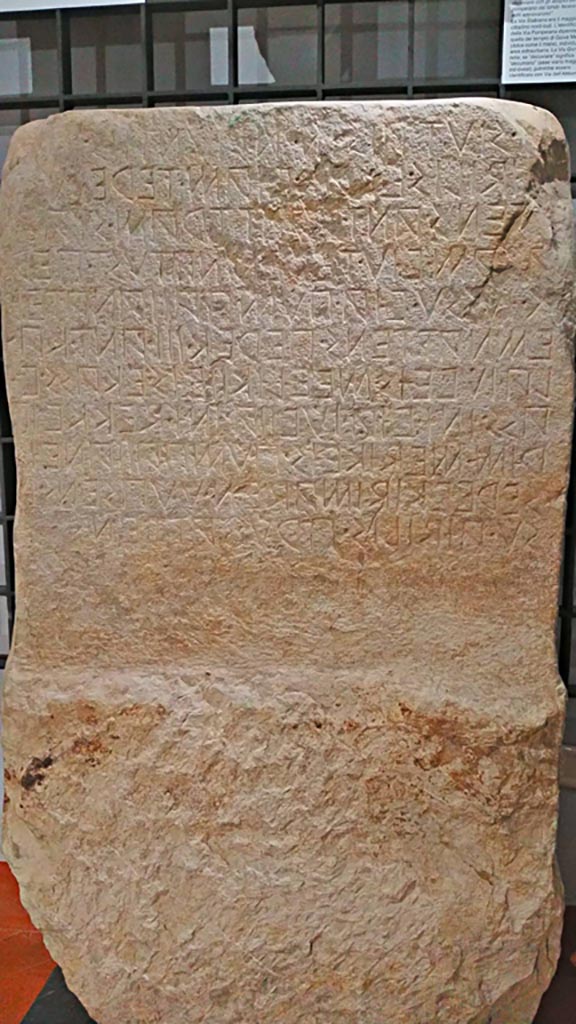
Original
limestone cippus written in Oscan alphabet, found situated in the hallway of
the Porta Stabiana.
Now in Naples Archaeological Museum, inv. 114466. Photo courtesy of Giuseppe Ciaramella, June 2017.
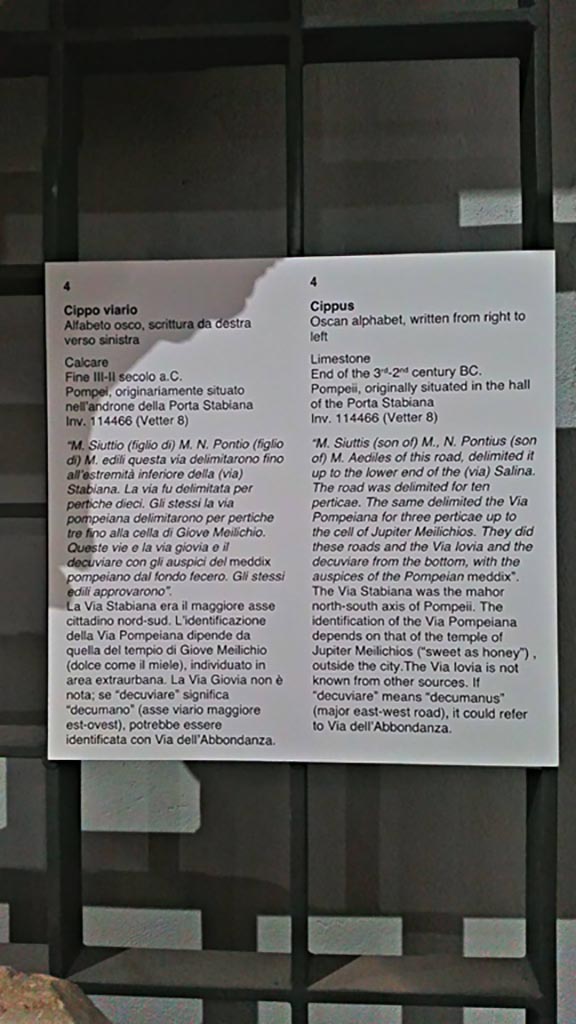
Information
card from Naples Archaeological Museum. Photo courtesy of Giuseppe Ciaramella,
June 2017.
![Stabian Gate, Pompeii. Oscan inscription against west wall of gate.
According to Van der Graaff –
An intense debate has surrounded the exact translation. August Mau translated it loosely as –
“The aediles M. Sittius and N. Pontius improved the street heading out of the (Stabian) Gate as far as the Stabian Bridge and the Via Pompeiana as far as the temple of Jupiter Milichius: these streets as well as the Via Jovia and ……… placed [them] in perfect repair.”
See Van der Graaff, I. (2018). The Fortifications of Pompeii and Ancient Italy. Routledge, (p.100).](Gate%20Stabian_files/image064.jpg)
Stabian Gate, Pompeii. Oscan inscription against west wall of gate.
According to Van der Graaff –
An intense debate has surrounded the exact translation. August Mau translated it loosely as –
“The aediles M. Sittius and N. Pontius improved the street heading out of the (Stabian) Gate as far as the Stabian Bridge and the Via Pompeiana as far as the temple of Jupiter Milichius: these streets as well as the Via Jovia and ……… placed [them] in perfect repair.”
See Van der Graaff, I. (2018). The Fortifications of Pompeii and Ancient Italy. Routledge, (p.100).
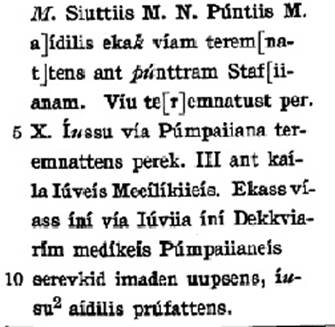
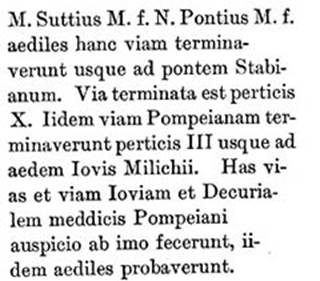
Oscan and
its Latin translation. From C. Darling Buck’s Grammar of Oscan… 1904.
Buck
translated and explained this as:
The
aediles [M. Sittius and N. Pontius] laid out two roads, and these as well as
two others they also constructed or repaired under the direction of the meddix
[Oscan magistrate] of the city.
One road,
leading out from the Stabian gate where the inscription was set up, they laid
out at a certain width as far as the Stabian bridge.
The street
leading from the same point into the city, and called, from its importance, the
Via Pompeiana (now known as the Strada [Via] Stabiana), they laid out at a
certain width as far as the temple of Jupiter Milichius.
The Via
Iovia was doubtless named from a temple of Jupiter, and the Via Decurialis from some public building.
See Buck C. D., 1904. A Grammar of Oscan And Umbrian. Boston: Ginn. p. 239-240.
Mau stated - “….. these streets ..….. they placed in perfect repair.”
He also stated the present temple was not old enough to be the one mentioned in the inscription, but suggested it was probably standing on a much earlier edifice.
See Mau, A., 1907, translated by Kelsey F. W. Pompeii: Its Life and Art. New York: Macmillan. p. 184.
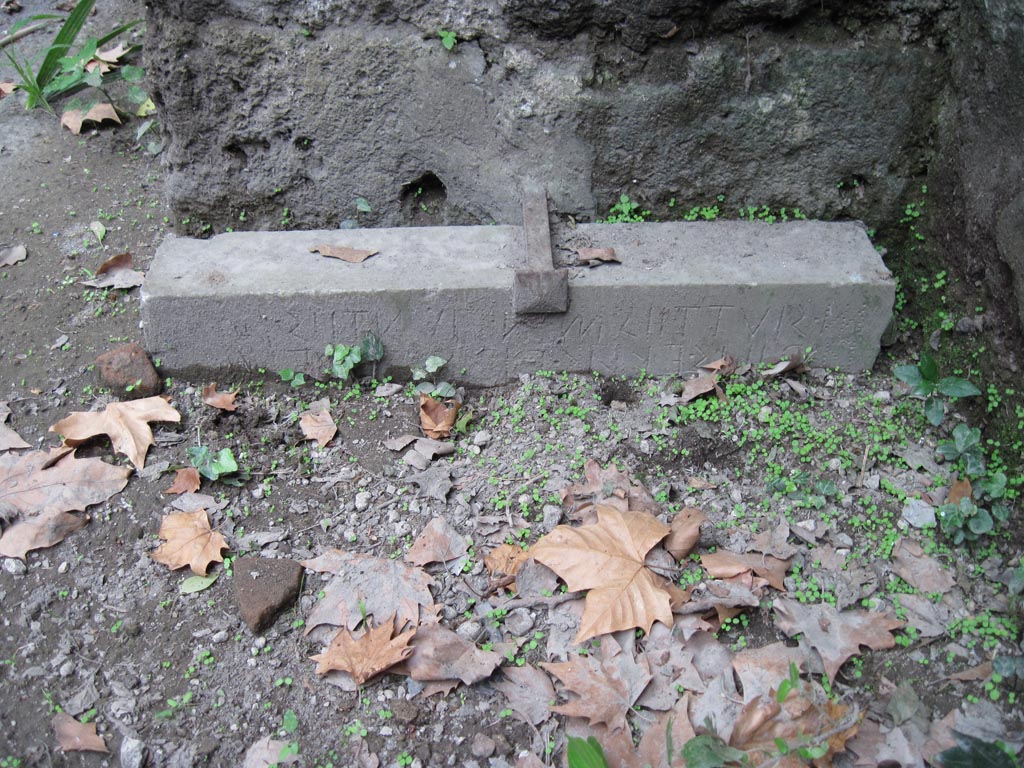
Pompeii Stabian Gate. September 2010. Oscan inscription on marble slab on west side.
In 2010, the inscription had only two of its eleven lines above ground. Photo courtesy of Drew Baker.
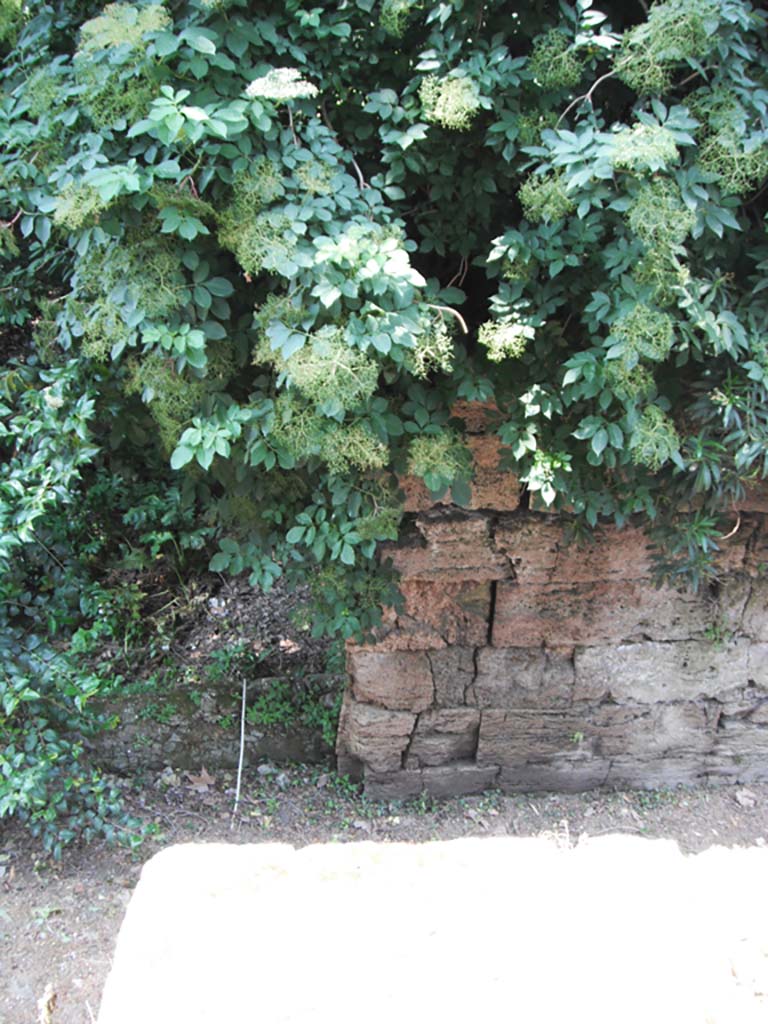
Porta Stabia, Pompeii. May 2011.
Looking towards west wall of gate at south end, from upper east side. Photo courtesy of Ivo van der Graaff.
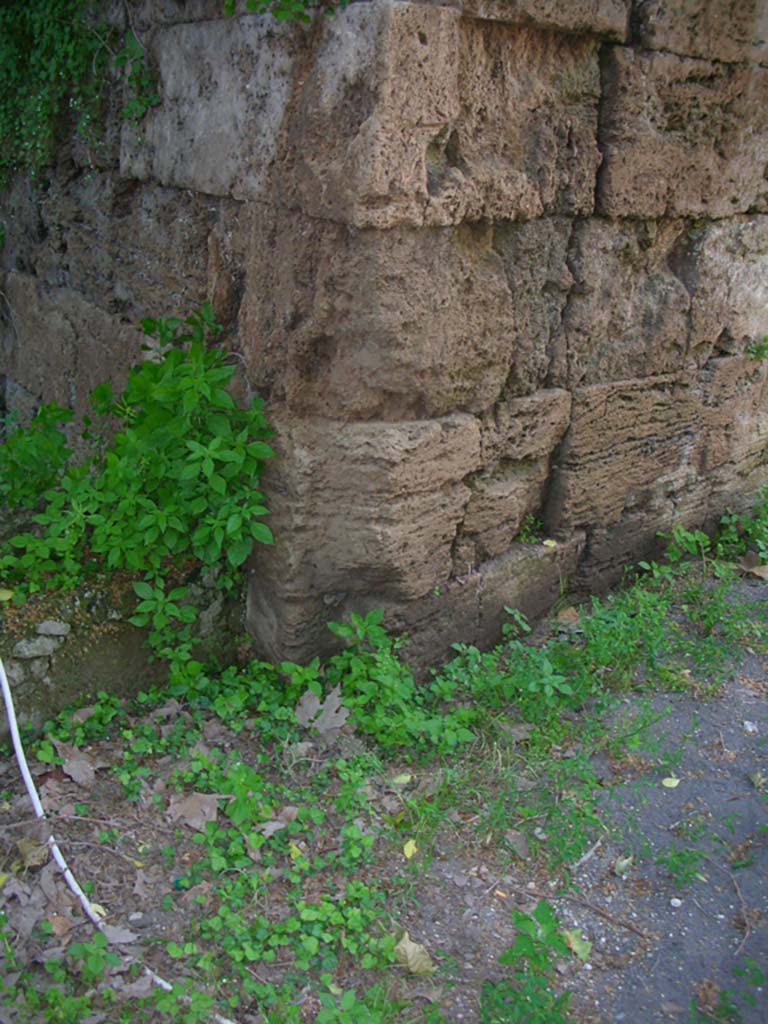
Porta Stabia, Pompeii. May 2010.
Detail of west wall of gate, at south end. Photo courtesy of Ivo van der Graaff.
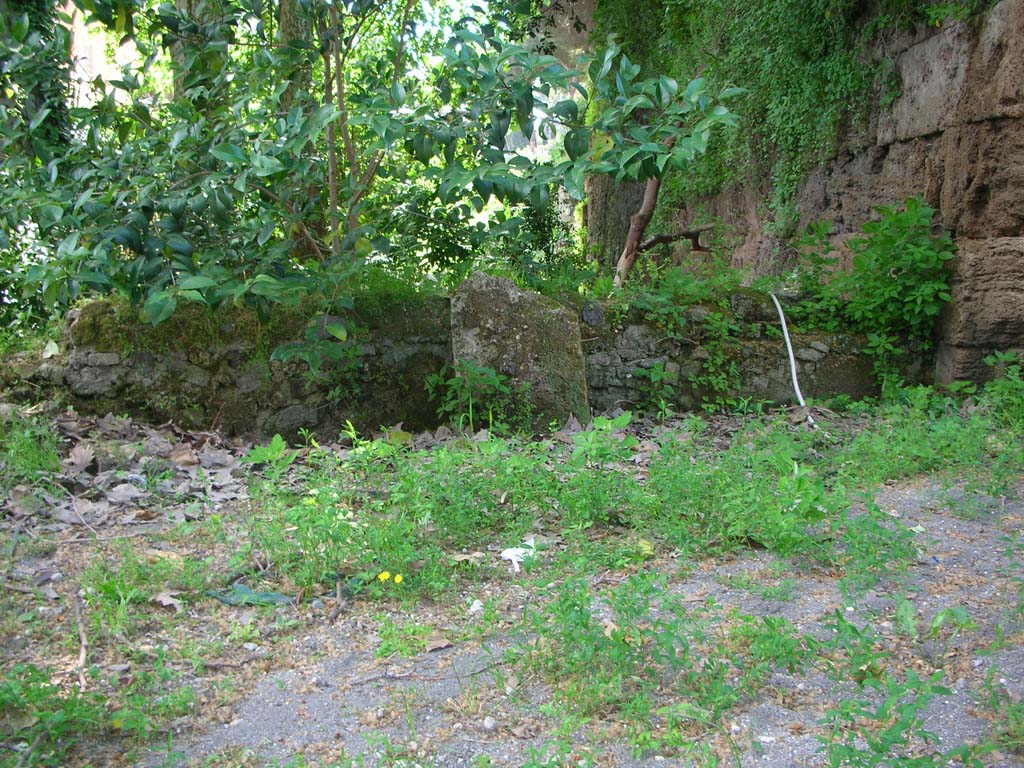
Porta Stabia, Pompeii. May 2010. South side of west wall, looking west along city walls. Photo courtesy of Ivo van der Graaff.
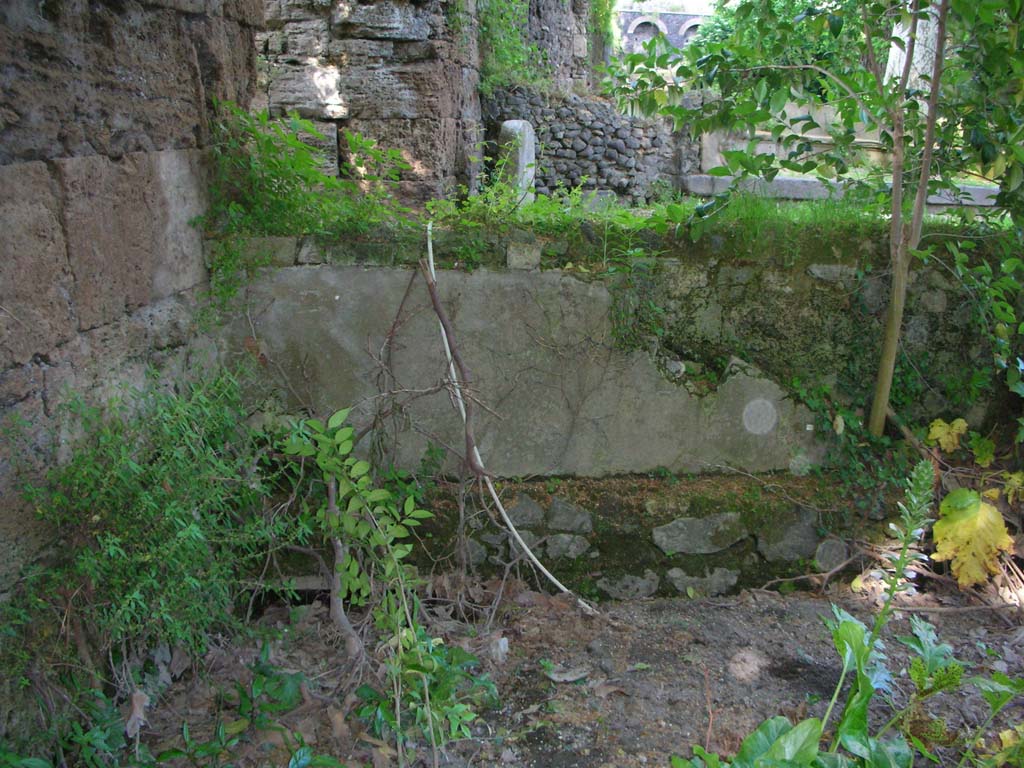
Porta Stabia, Pompeii. May 2010. Looking east towards rear of west wall at south end of gate. Photo courtesy of Ivo van der Graaff.
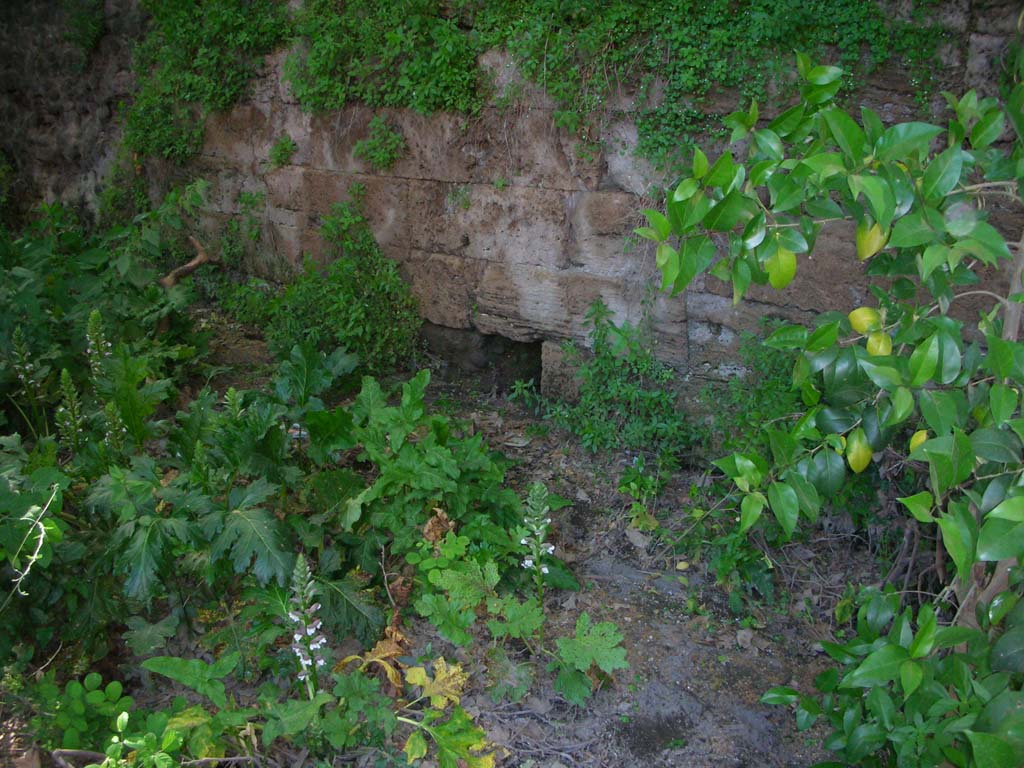
Porta Stabia, Pompeii. May 2010. South side of west wall, outlet from drain. Photo courtesy of Ivo van der Graaff.
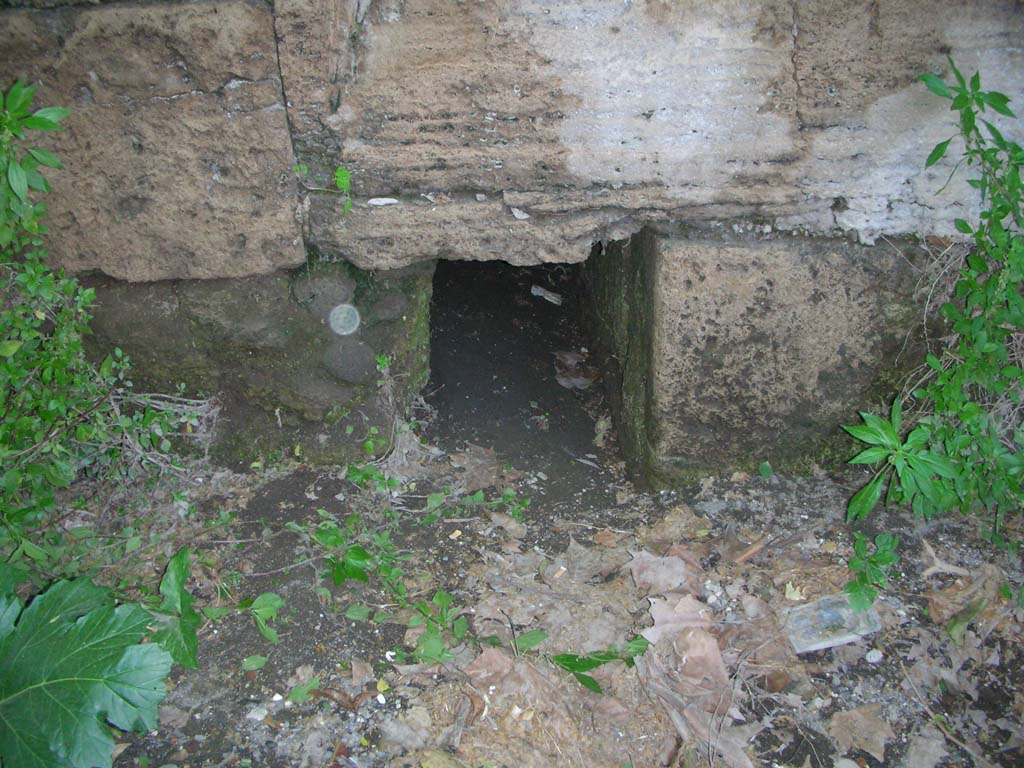
Porta Stabia, Pompeii. May 2010. South side of city walls on west side of gate, detail of drain. Photo courtesy of Ivo van der Graaff.
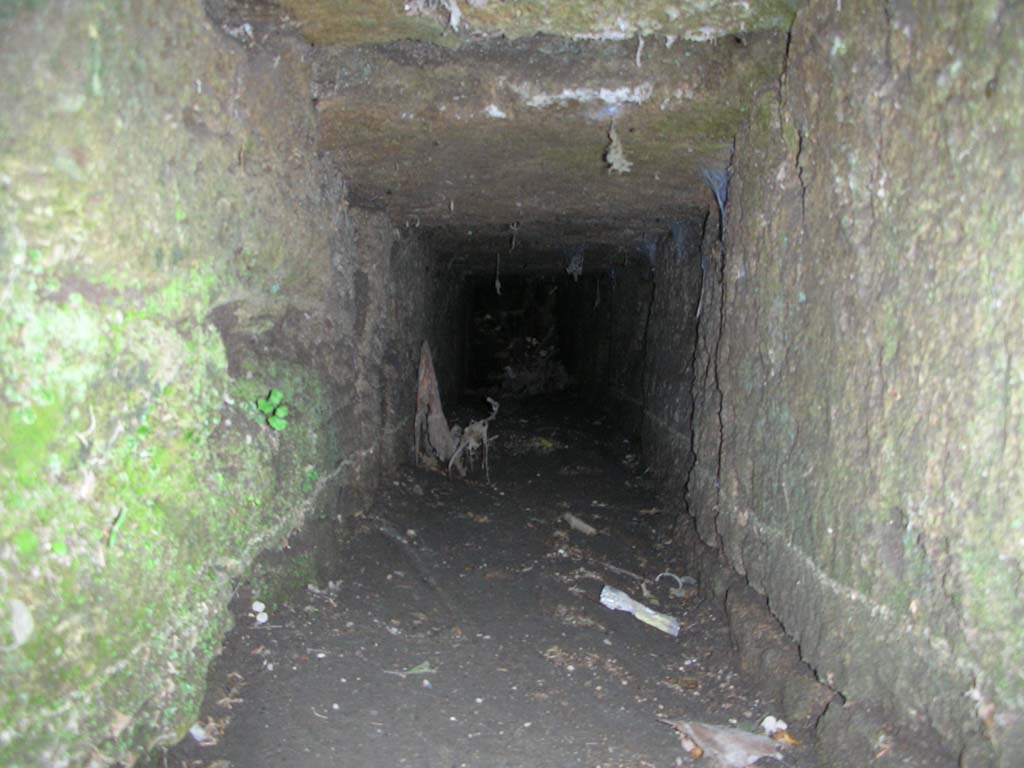
Porta Stabia, Pompeii. May 2010. Interior of drain, looking north. Photo courtesy of Ivo van der Graaff.
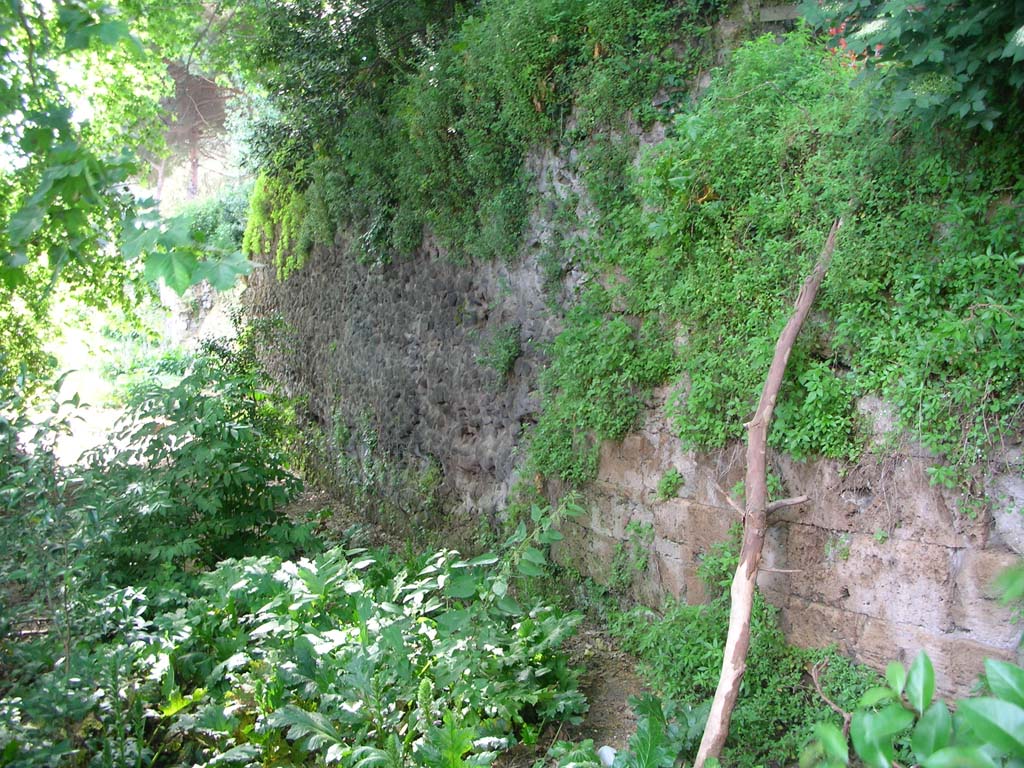
Porta Stabia, Pompeii. May 2010. Looking west along City Walls. Photo courtesy of Ivo van der Graaff.
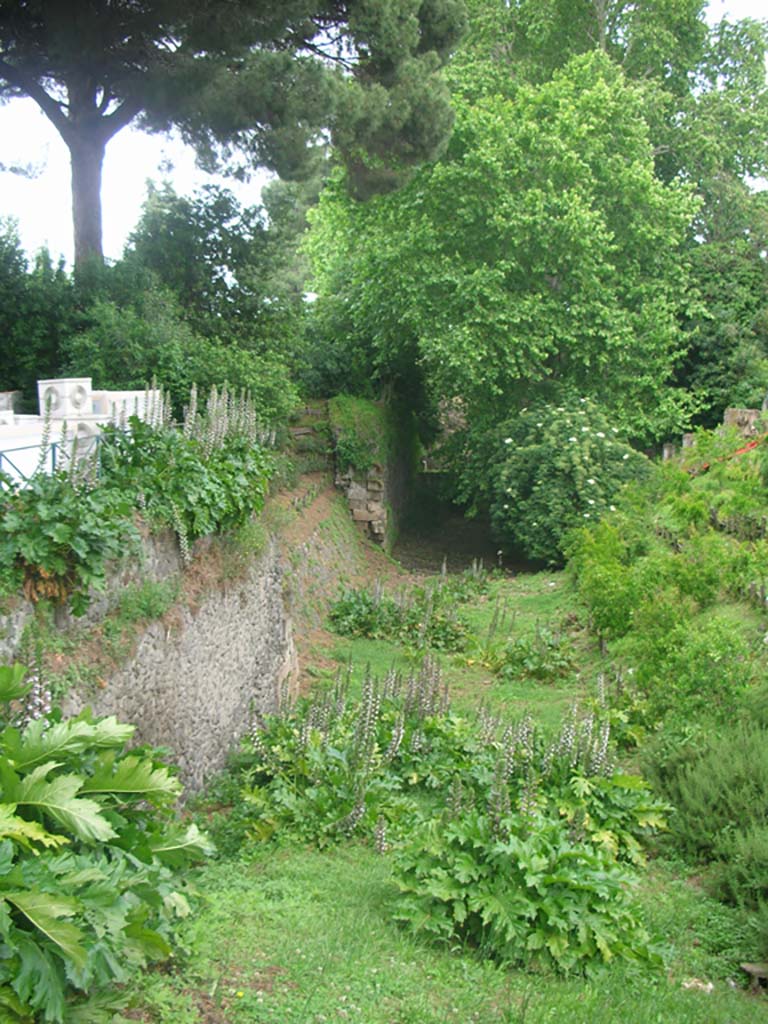
Porta Stabia, Pompeii. May 2010.
Looking east along remains of city walls on west side of Stabian gate. Photo courtesy of Ivo van der Graaff.
According to Van der Graaff –
“Andre De Jorio, author of one of the earliest guidebooks on Pompeii, mentions excavations occurring in the area that year (Note 30 – 1828, p.155).
He describes the recovered remains of the city walls as razed by earthquakes and reused for their material, indicating that he was referring to the section of demolished wall curtain west of the Porta Stabia.”
See Van der Graaff, I. (2018). The Fortifications of
Pompeii and Ancient Italy. Routledge, (p.14).
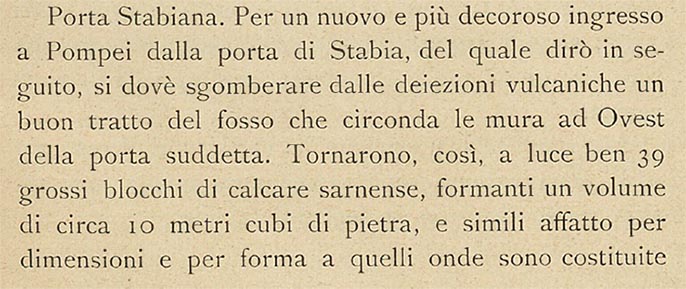
Porta Stabia, Pompeii. 1908 description by Sogliano.
See Sogliano, A. (1908). Dei lavori eseguiti in Pompei dal 1 Aprile 1907 a tutto Giugno 1908. (p.15-16).
According to Sogliano –
“For a new and more dignified entrance to Pompeii through the Gate of Stabia, of which I shall speak later, it is necessary to clear a good stretch of the ditch that surrounds the walls to the west of the aforementioned gate from volcanic excrement.
Thus 39 large blocks of Sarnense limestone came to light, forming a volume of about 10 cubic metres of stone, and very similar in size and shape to those of which the Gate and the two square faces, which form the two external jambs, are made.
The first excavators could not see those blocks, which had fallen from above and remained buried under the earth that filled the ditch.
They saw only the few they came across near the Gate and on the small stretch of road that passes over the ditch, and they placed them as best they could cementing them in the joints with mortar, contrary to the original structure which is, as is known, completely dry.
At the sight of the unexpected and conspicuous discovery of so much material, it seemed to me that a careful study had to be made in order to put it in place in a way that was as rational as possible. The height of the ancient rows, still in situ, was a guide to establish which faces of the excavated blocks the views should be, and so the place was found which, if it is not, could well have been the ancient one, such is the uniformity of the wall structure. I did not follow the example of cementing them with mortar, but I had them laid dry, one on top of the other, thus bringing the height of the jambs from about 2.60 metres to 3.60 metres.
Considering then, that such an increase took place in the left jamb for the length of 12 metres, turned on two sides, and in the one on the right of about 7,00 metres, it can be argued how much the Gate has regained of what it had lost in the terrible ruin.”
Porta Stabia, Pompeii. 1908 description by Sogliano.
See Sogliano, A.
(1908). Dei lavori eseguiti in Pompei dal 1 Aprile 1907 a tutto Giugno 1908. (p.16).
Porta Stabia, Pompeii. 1908 description by Sogliano. New Entrance To The Scavi From Porta Stabiana.
According to Sogliano –
In the previous report I mentioned the necessity of giving a new and worthy entrance to Pompeii from the Stabian Gate, since the entrance I found there when I assumed the office of director, is the one seen in Fig.7. The narrow doorway/room, on which one reads the word “ENTRANCE” in large letters (and the indication was very necessary), is the posticum or secondary exit of the Ludo Gladiatorium, which has the latrine next to it. Antiquity purifies things, but a latrine is always a latrine, not to mention that the indecent and petty entrance is accessed among the heaps of material needed for excavations, the works’ office and the rubble that keeps the soil soaked in stagnant water from the Sarno Canal.
To this day, one enters through such a doorway; but the new entrance is already in position, as shown in fig.8.
See Sogliano, A.
(1908). Dei lavori eseguiti in Pompei dal 1 Aprile 1907 a tutto Giugno 1908. (p.23).
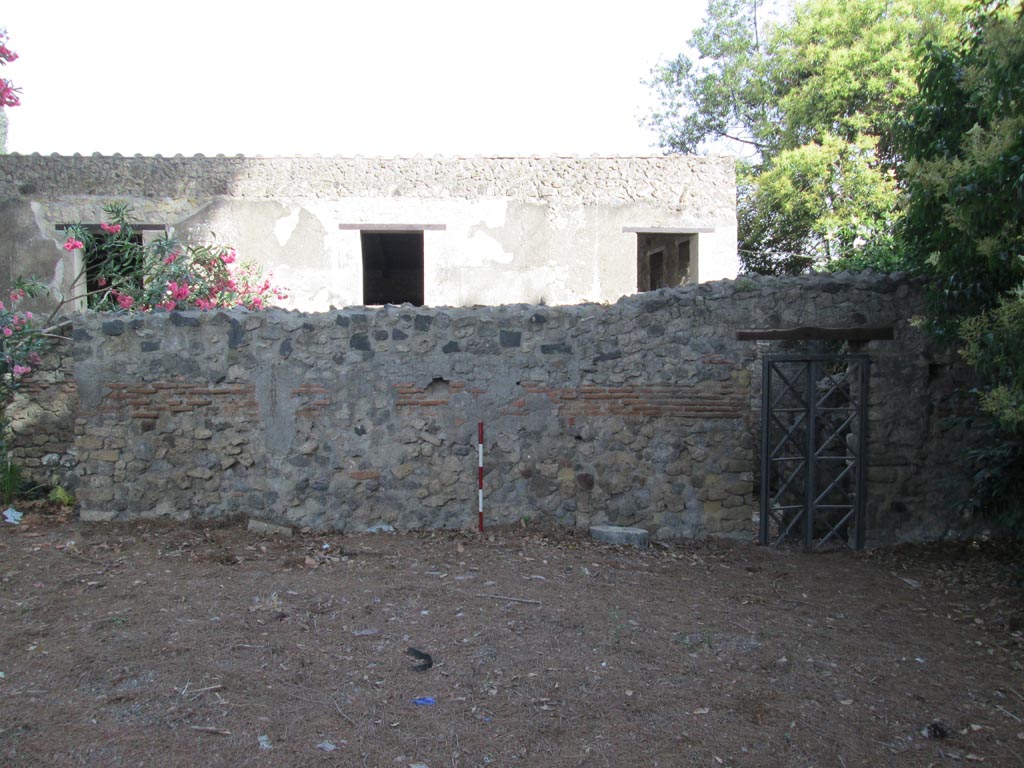
VIII.7.16 Pompeii. July 2012. Entrance doorway in south-east corner. Photo courtesy of Eric Poehler.
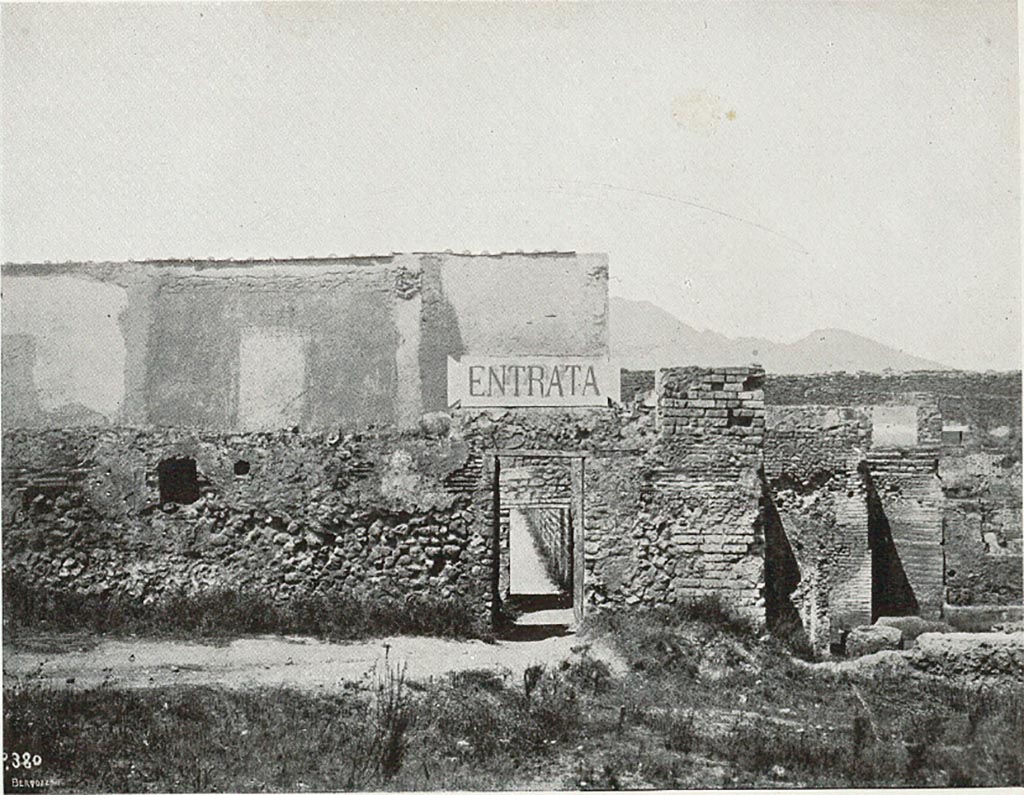
VIII.7.16 Pompeii. c.1907-1908. Photograph “Attuale
entrata dal ludo gladiatorio”.
Looking north to small entrance at exterior south-east corner of Gladiator’s Barracks, an original entry to excavations of Pompeii.
According to Sogliano –
“………..and the very petty and inconvenient entry into Pompeii, made a few years ago, from a narrow corner of the Ludo Gladiatorium. I will take care of this last filthy situation immediately, transferring the entrance to the Porta di Stabia, in the same way as one accesses the excavations by the Porta Marina and the Porta Nola.”
See Sogliano, A. (1908). Dei lavori eseguiti in
Pompei dal 1 Aprile 1907 a tutto Giugno 1908. (p.
16 and fig. 7).
Porta Stabia, Pompeii. 1908 description by Sogliano, continued. New Entrance To The Scavi From Porta Stabiana.
See Sogliano, A.
(1908). Dei lavori eseguiti in Pompei dal 1 Aprile 1907 a tutto Giugno 1908. (p.24).
![Porta Stabiana, c.1907-8. Photograph titled “Nuova entrata dalla porta Stabiana.”
Looking south along sloping ramp with pillars and vases, up the 15 steps, towards the new entrance at the Stabian Gate.
See Sogliano, A. (1908). Dei lavori eseguiti in Pompei dal 1 Aprile 1907 a tutto Giugno 1908. (fig.8).
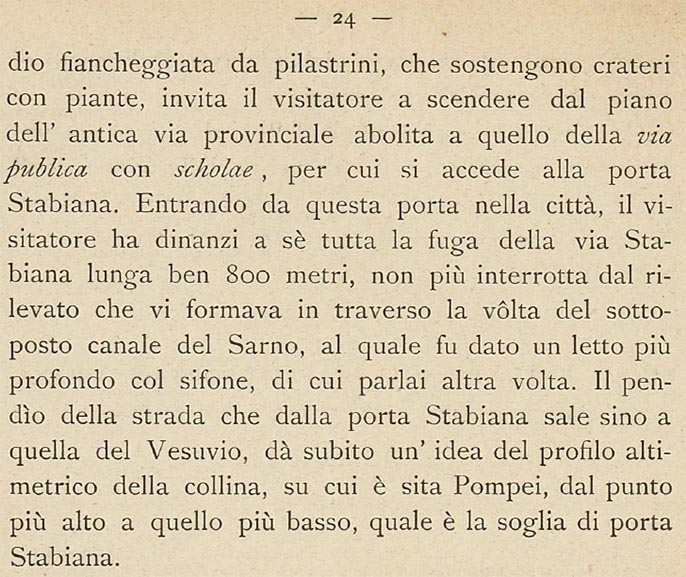
“Already a comfortable and wide staircase of 15 steps, with a lithostrotom [paved with stones] floor arranged in a turn, followed by a gently sloping ramp flanked by small pillars, which support vases with plants, invite the visitors to descend from the level of the ancient provincial road to that of the Via Publica with Scholae through which you enter the Stabian Gate.
Entering the city through this gate, the visitor has before him the whole of the Via Stabiana 800 metres long, no longer interrupted by the embankment that formed the vault of the Sarno Canal under it, which was given a deeper bed with the siphon, of which I have spoken another time.
The slope of the road, which climbs from the Stabian Gate to that of Vesuvius, immediately gives an idea of the elevation profile of the hill on which Pompeii is located, from the highest point to the lowest, which is the threshold of Porta Stabiana.”](Gate%20Stabian_files/image085.jpg)
Porta Stabiana, c.1907-8. Photograph titled “Nuova entrata dalla porta Stabiana.”
Looking south along sloping ramp with pillars and vases, up the 15 steps, towards the new entrance at the Stabian Gate.
See Sogliano, A. (1908). Dei lavori eseguiti in Pompei dal 1 Aprile 1907 a tutto Giugno 1908. (fig.8).
“Already a comfortable and wide staircase of 15 steps, with a lithostrotom [paved with stones] floor arranged in a turn, followed by a gently sloping ramp flanked by small pillars, which support vases with plants, invite the visitors to descend from the level of the ancient provincial road to that of the Via Publica with Scholae through which you enter the Stabian Gate.
Entering the city through this gate, the visitor has before him the whole of the Via Stabiana 800 metres long, no longer interrupted by the embankment that formed the vault of the Sarno Canal under it, which was given a deeper bed with the siphon, of which I have spoken another time.
The slope of the road, which climbs from the Stabian Gate to that of Vesuvius, immediately gives an idea of the elevation profile of the hill on which Pompeii is located, from the highest point to the lowest, which is the threshold of Porta Stabiana.”
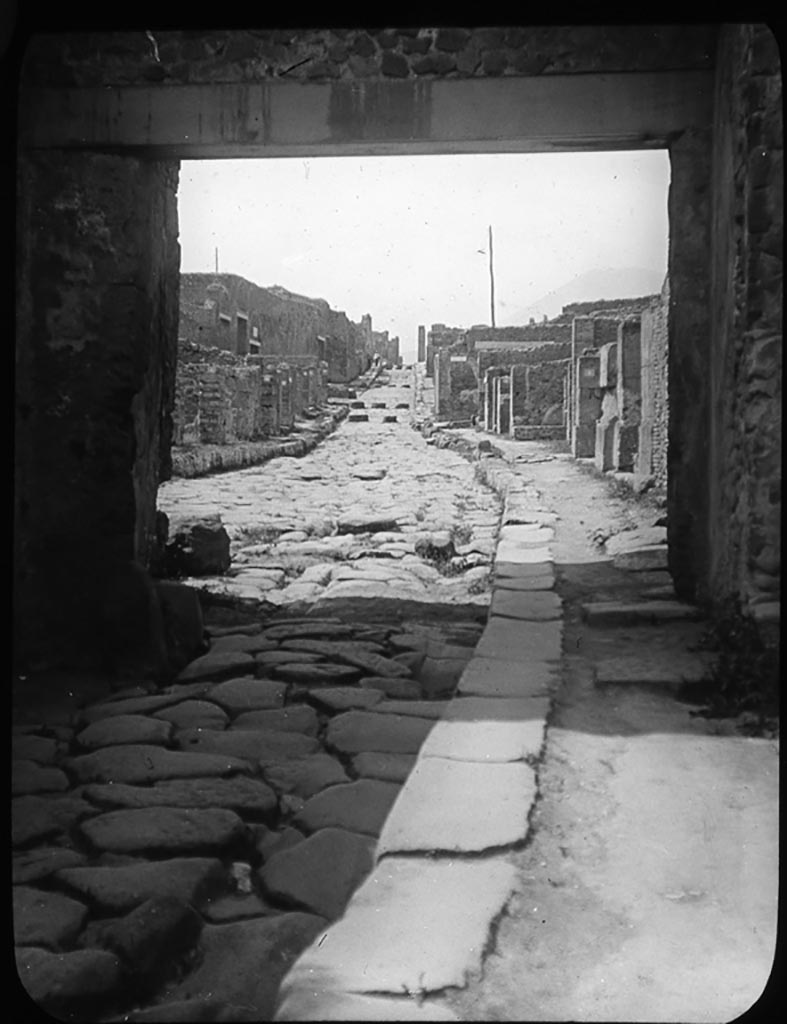
Via Stabiana, Pompeii. Via Stabiana, looking north from Stabian Gate.
Photo by
permission of the Institute of Archaeology, University of Oxford. File name
instarchbx208im 006. Resource ID. 44332.
See photo on University of Oxford HEIR database