VIII.7.20 Pompeii. Teatro Grande
or Large Theatre.
Part 4 Part 1 Part 2 Part 3 Plan
For more details of the Large Theatre:
See Mau, A., 1907, translated by Kelsey F. W. Pompeii: Its Life and Art. New York: Macmillan. pages 141-152.
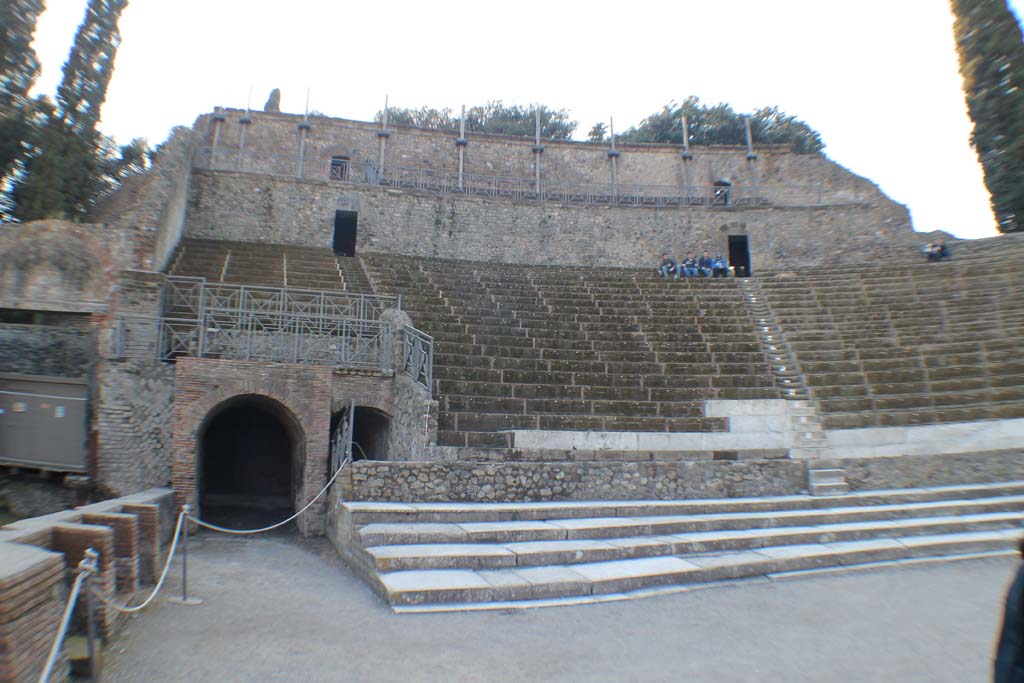
VIII.7.20 Pompeii. March 2014.
Looking west across Orchestra towards arched entrance/exit, on left, together with smaller arch under the Tribunal.
Foto
Annette Haug, ERC Grant 681269 DÉCOR.
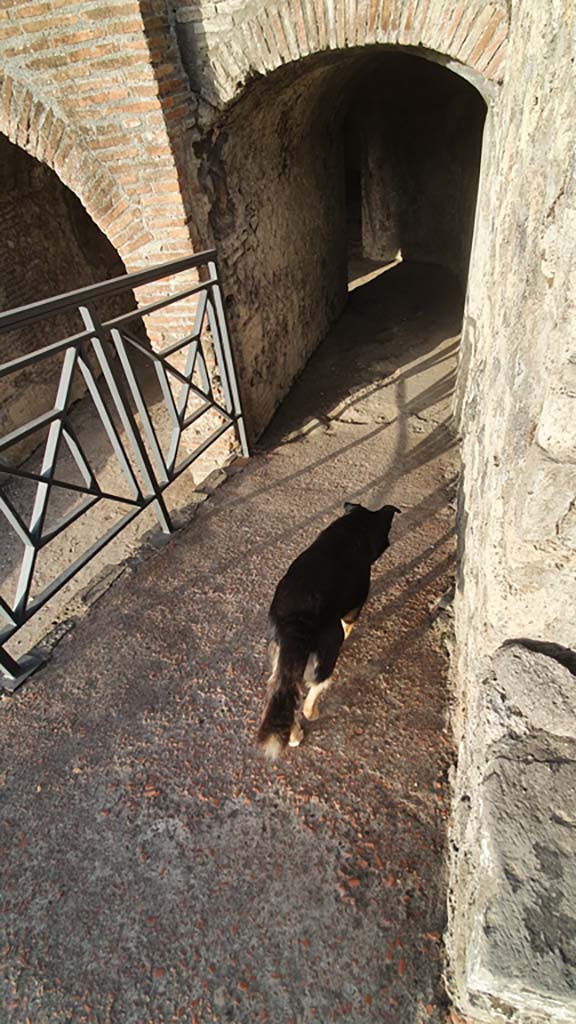
VIII.7.20 Pompeii. August 2021. Dog entering smaller arch under the west Tribunal.
Foto Annette Haug, ERC Grant 681269 DÉCOR.
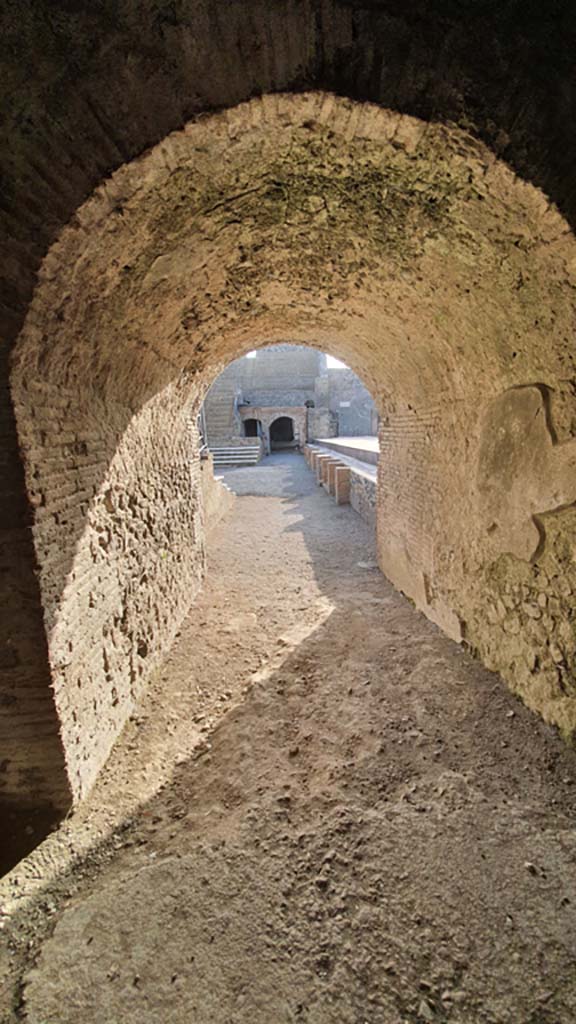
VIII.7.20 Pompeii. August 2021. Looking east from entrance/exit at west end.
Foto Annette Haug, ERC Grant 681269 DÉCOR.
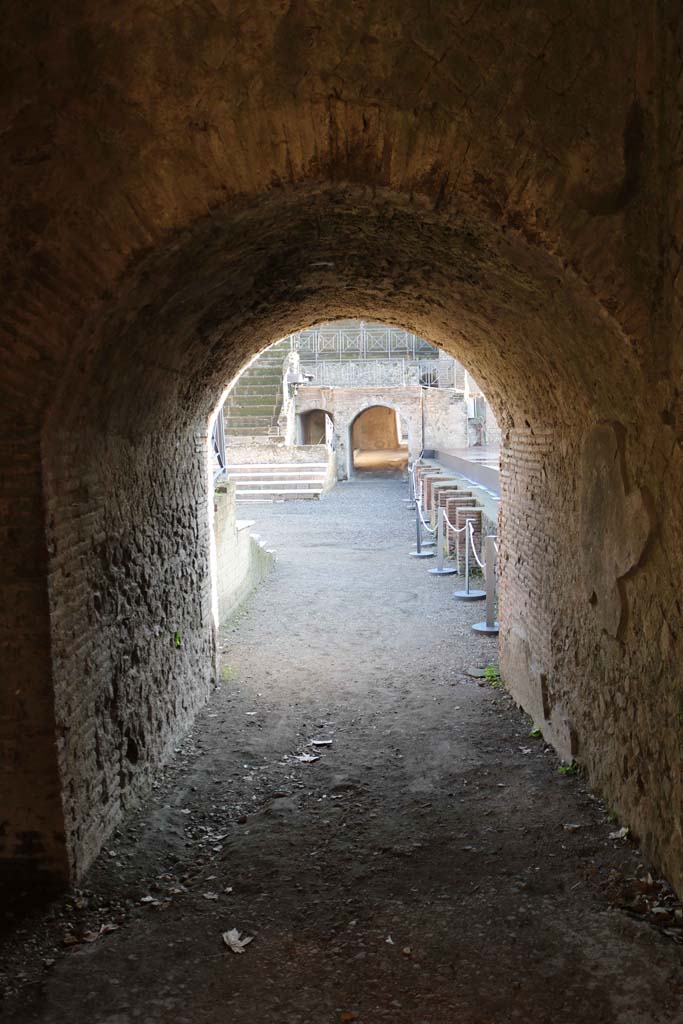
VIII.7.20 Pompeii. December 2018.
Looking east from entrance/exit at west end. Photo courtesy of
Aude Durand.
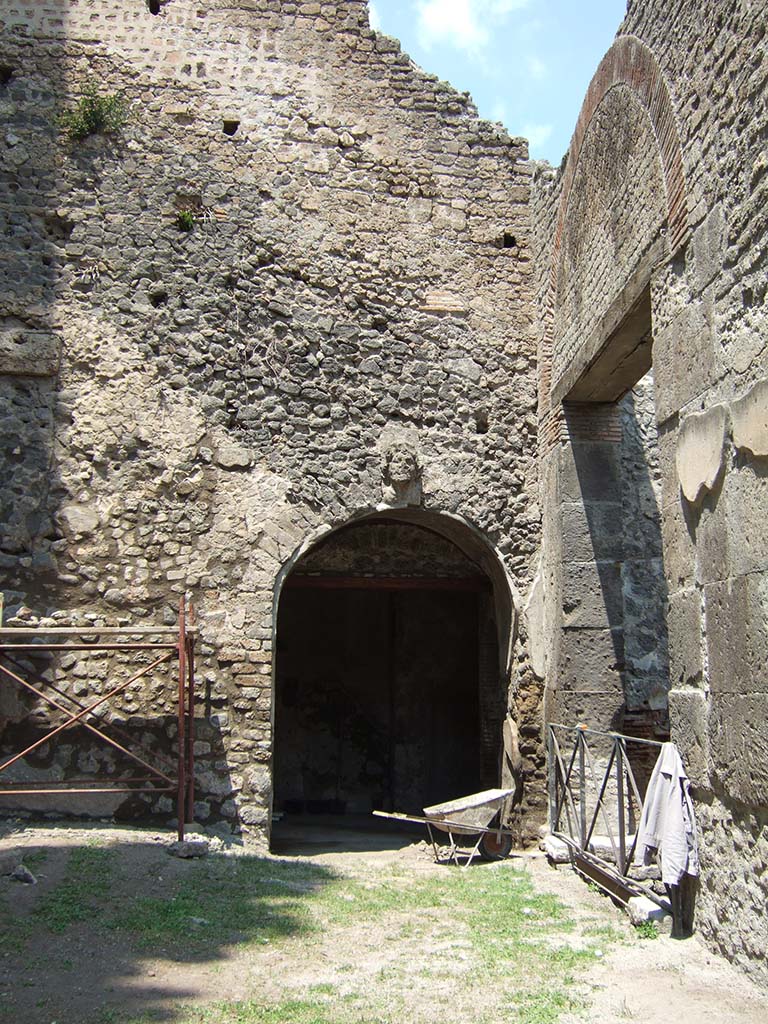
VIII.7.20 Pompeii. May 2006.
West side. Entrance to room with entrance/exit from Theatre, under the seating.
The square opening, on the right, is from the stage.
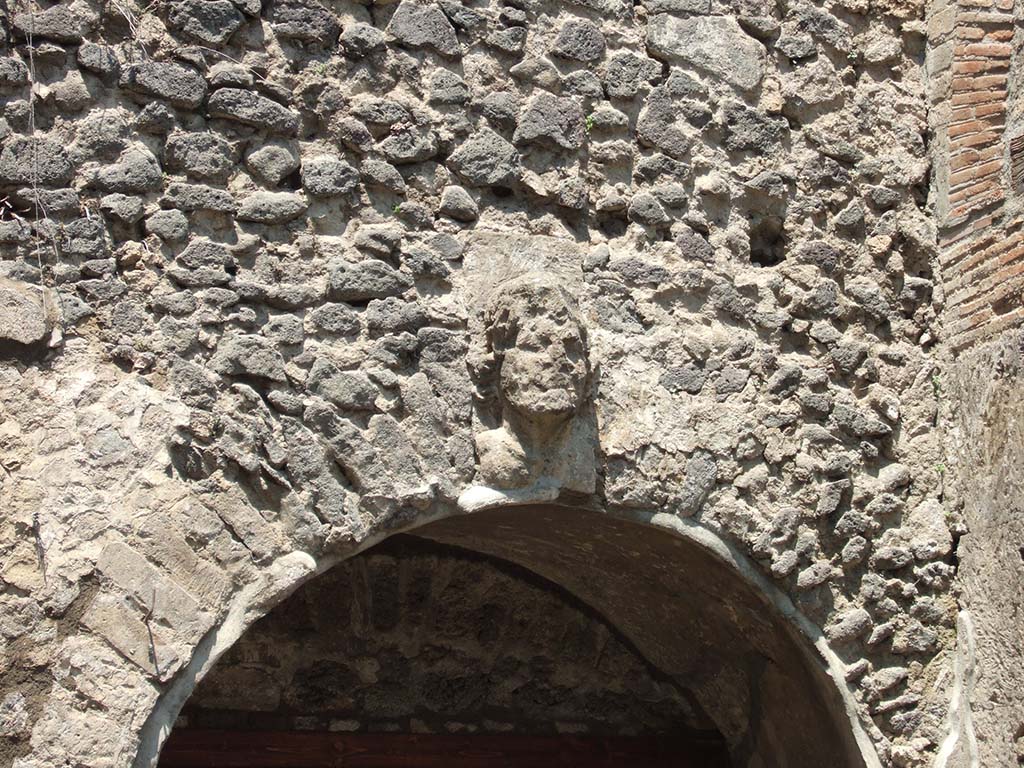
VIII.7.20 Pompeii. May 2006. West side. Head (keystone) over entrance to room under the seating.
Kuivalainen describes –
A single naked bust depicts frontally a young man with strong features. Tight curls frame both sides of the face and clusters of berries of ivy adorn the hair. Covered with stucco. (The head is damaged, stucco partly fallen, eg, in the nose and curls).
Kuivalainen comments –
Eschebach changed his mind on the identification, from a satyr to Bacchus, and with reason. The audience entering the cavea from the courtyard through the west entrance saw the bust of Bacchus above them, and were thus elevated to the right mood for the performance. The Greek features of the architecture also support the identification as Bacchus, the protector of the theatre.
See Kuivalainen, I., 2021. The Portrayal of Pompeian Bacchus. Commentationes Humanarum Litterarum 140. Helsinki: Finnish Society of Sciences and Letters, (H5, p.210).
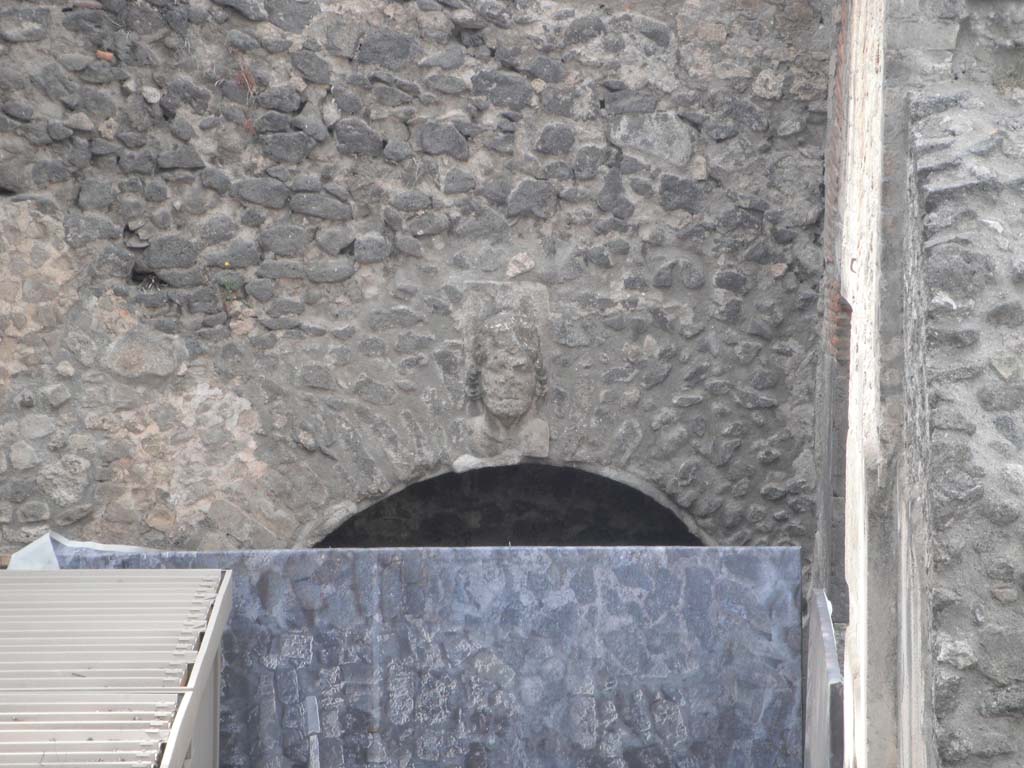
VIII.7.20 Pompeii. May 2011.
West side, during renovation work. Head of Bacchus over entrance to room under the seating. Photo courtesy of Ivo van der Graaff.
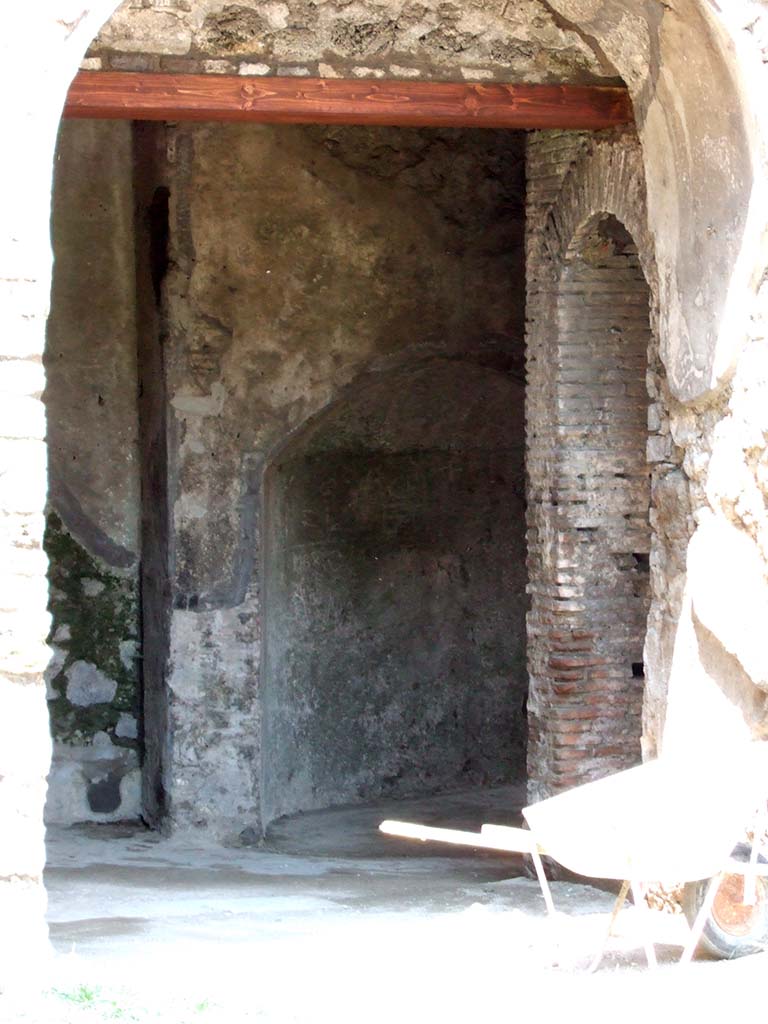
VIII.7.20 Pompeii. May 2006. West side. Room under the seating of the Large Theatre.
In the centre is the wider arch under the Tribunal from which also leads off the ramp to the media cavea under the smaller arch.
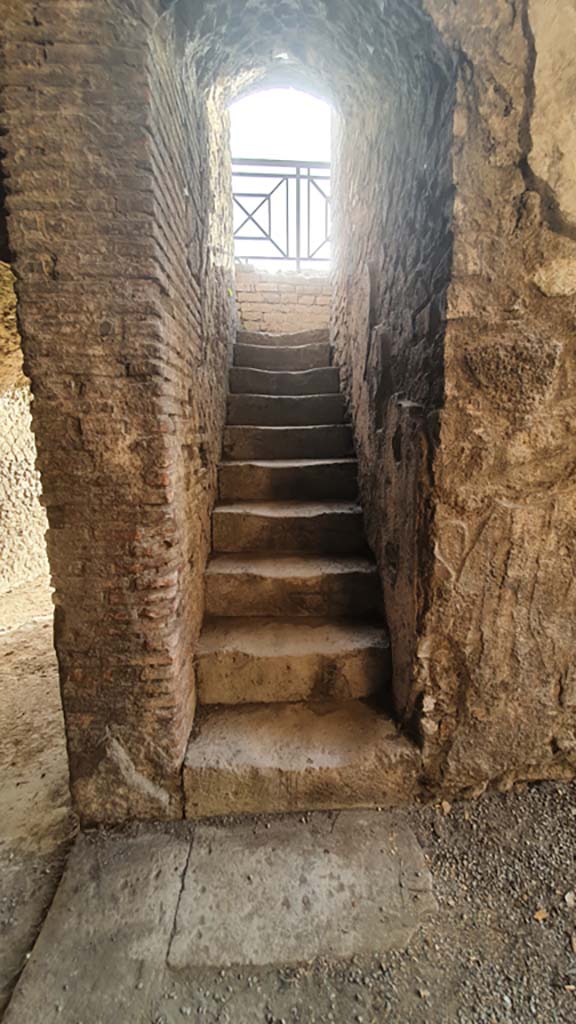
VIII.7.20 Pompeii. August 2021. West side.
Steps to Tribunal/upper floor next to entrance/exit to Large Theatre at west end.
On the left is the wider arch under the tribunal.
Foto Annette Haug, ERC Grant 681269 DÉCOR.
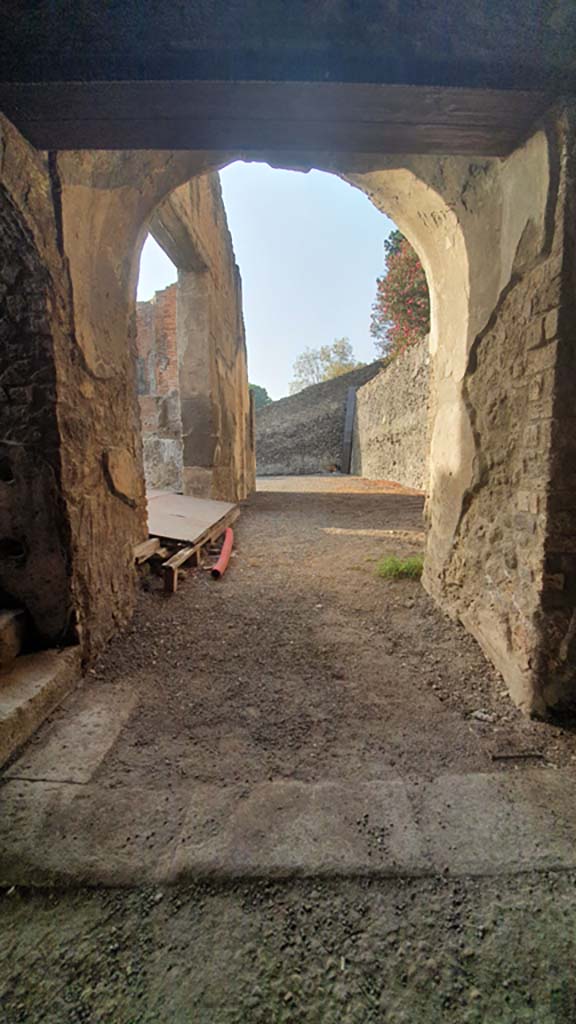
VIII.7.20 Pompeii. August 2021. West side. Room under the seating of the Large Theatre.
Looking south towards the top of the steps from the Triangular Forum.
Foto
Annette Haug, ERC Grant 681269 DÉCOR.
On the left are
steps to the Tribunal/upper level and next
to it is the exit/entrance from the west side of the stage.
The head of Bacchus is on the outer wall above the arch.
This is the same location as our May 2006 picture but looking south instead of north.
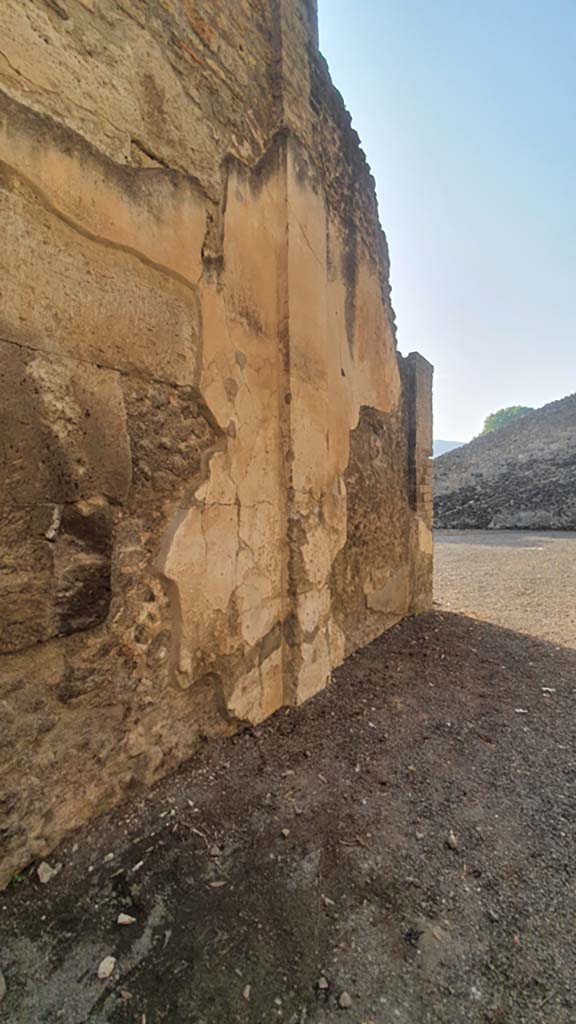
VIII.7.20 Pompeii. August 2021. West side.
Looking south towards steps down from Triangular Forum.
Foto
Annette Haug, ERC Grant 681269 DÉCOR.
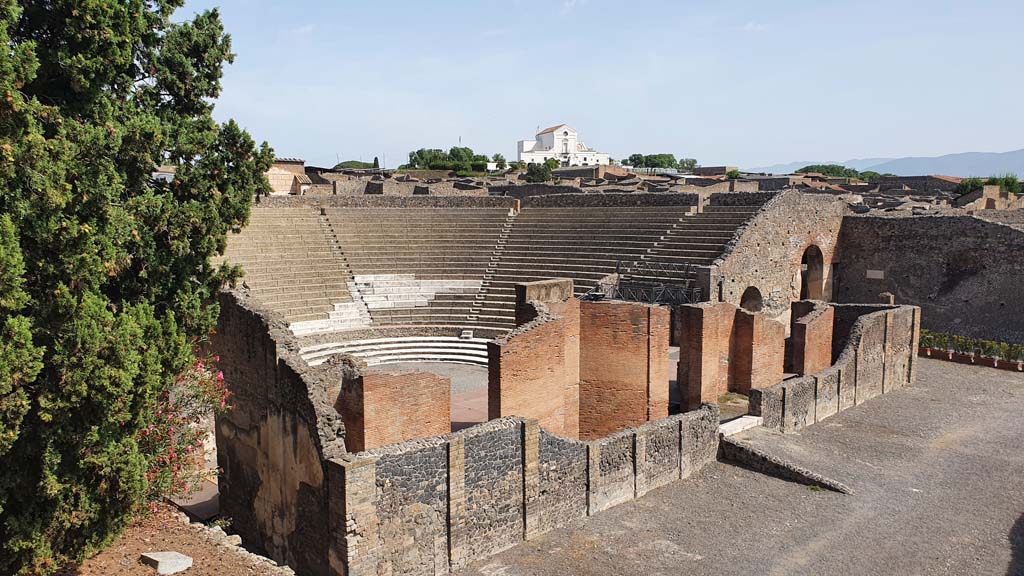
VIII.7.20 Pompeii. August 2021. Looking down from Triangular Forum towards area on west and south side of stage.
Foto
Annette Haug, ERC Grant 681269 DÉCOR.
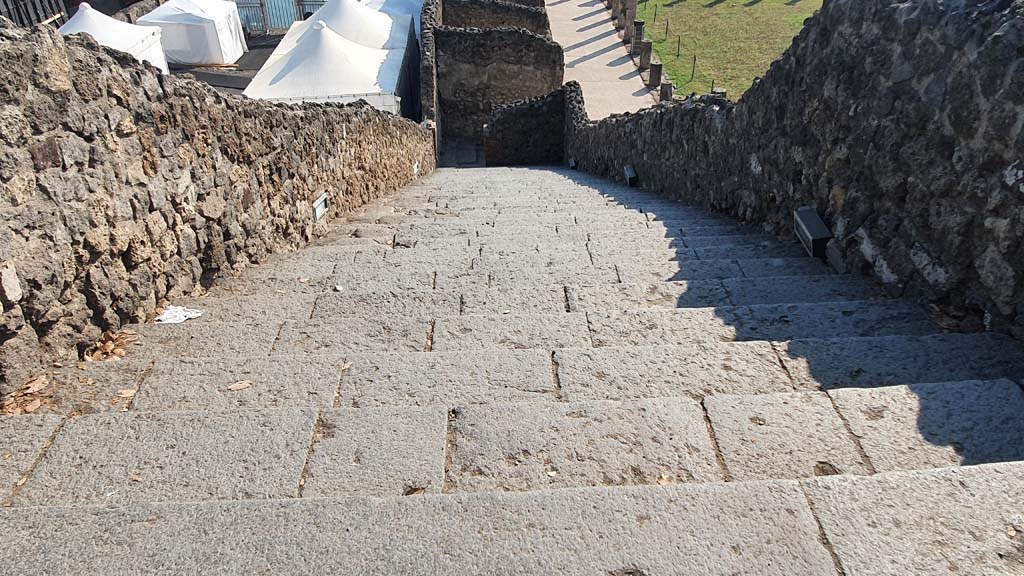
VIII.7.20 Pompeii. July 2021. Looking down steps from Triangular Forum.
Foto
Annette Haug, ERC Grant 681269 DÉCOR.
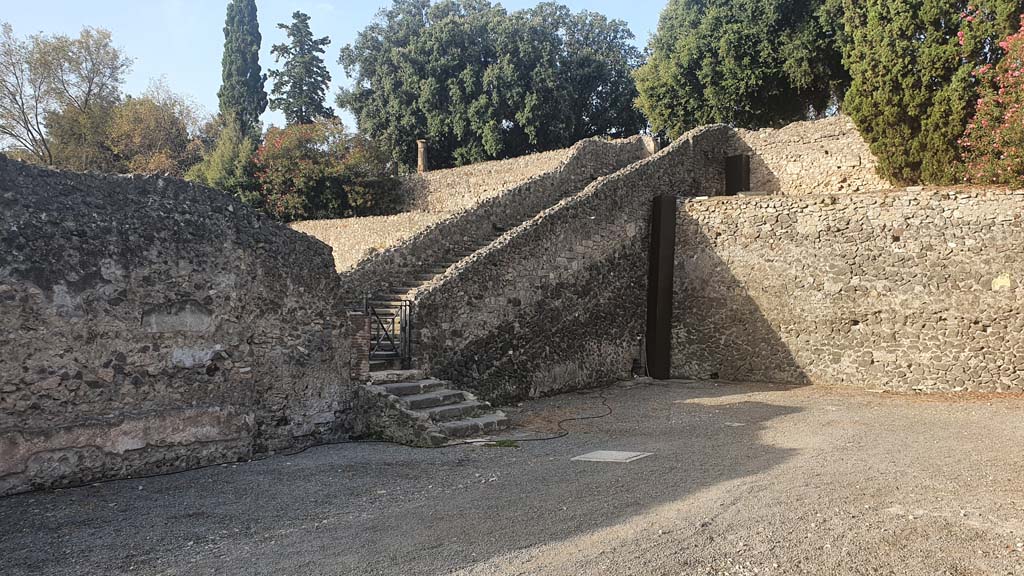
VIII.7.20 Pompeii. August 2021. West side.
Looking south-west towards steps down from Triangular Forum in area at rear of stage.
Foto
Annette Haug, ERC Grant 681269 DÉCOR.
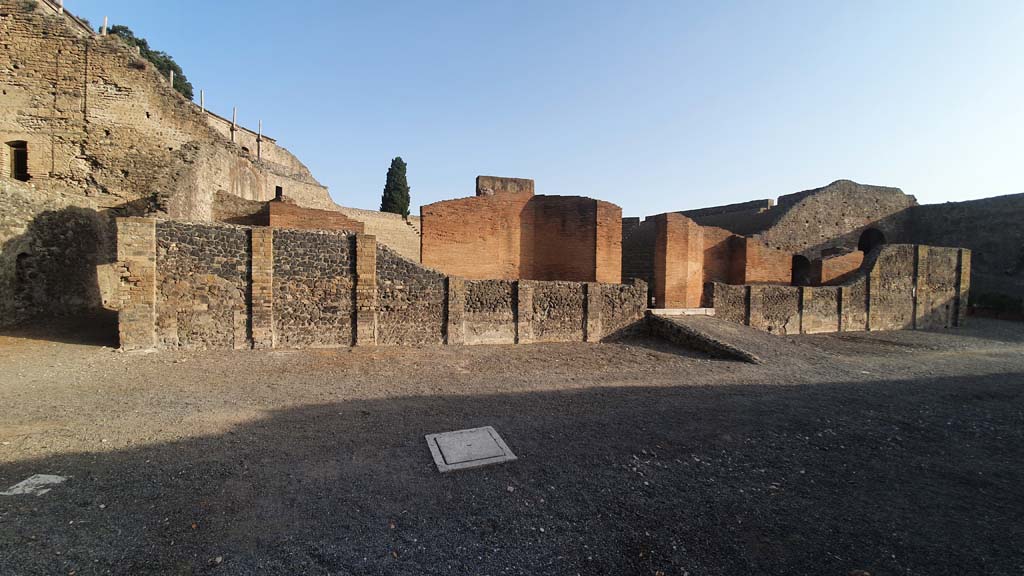
VIII.7.20 Pompeii. August 2021. Looking north from area at rear of stage.
Foto
Annette Haug, ERC Grant 681269 DÉCOR.
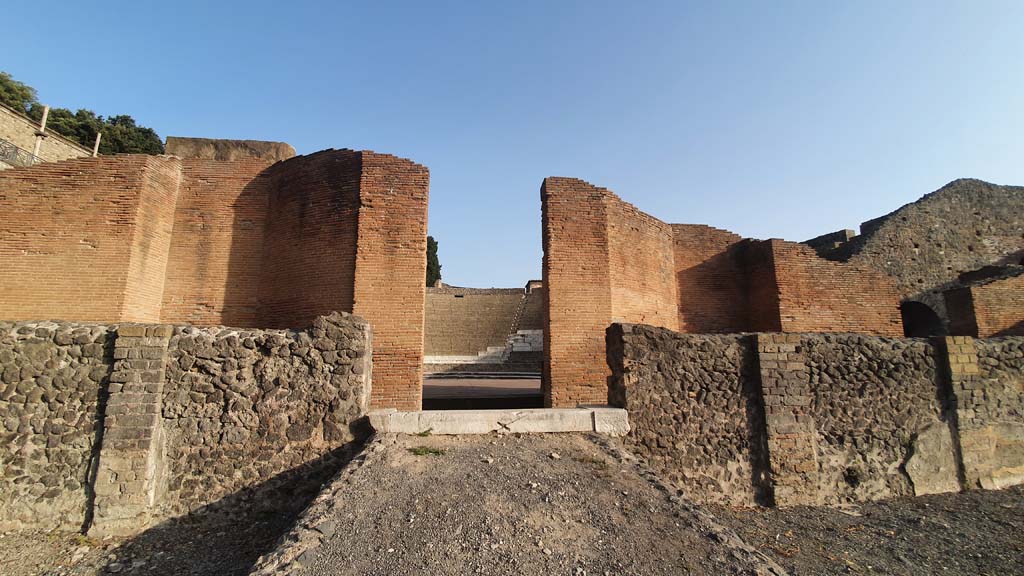
VIII.7.20 Pompeii. August 2021. Looking north towards stage.
Foto
Annette Haug, ERC Grant 681269 DÉCOR.
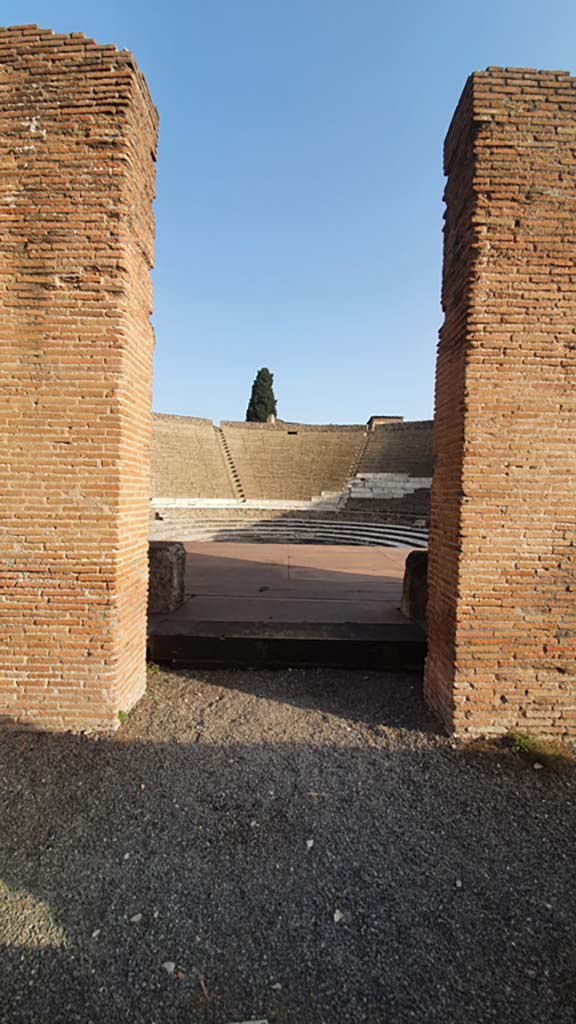
VIII.7.20 Pompeii. August 2021. Looking north through entrance to stage.
Foto Annette Haug, ERC Grant 681269 DÉCOR
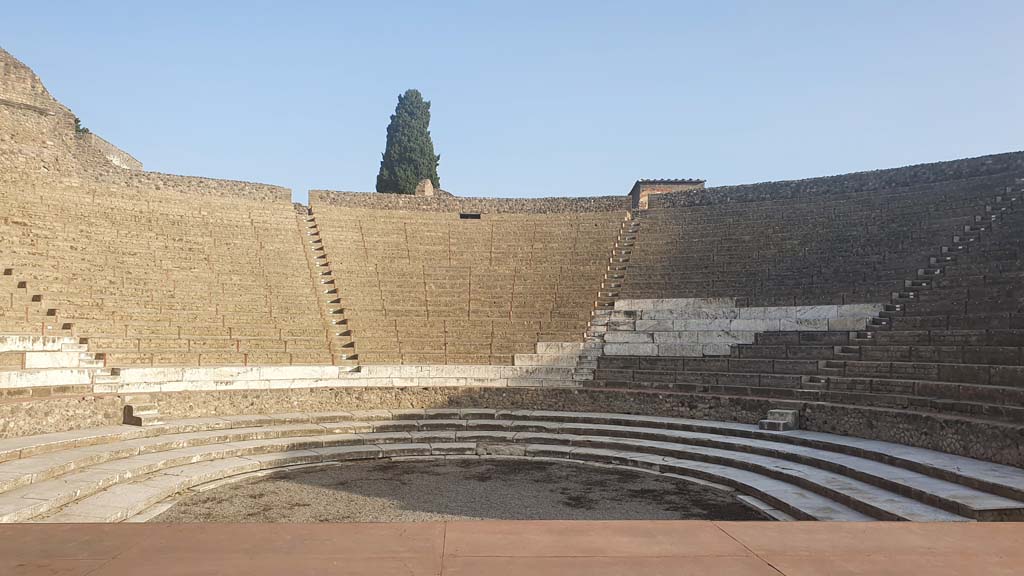
VIII.7.20 Pompeii. August 2021. Looking north from stage.
Foto Annette Haug, ERC Grant 681269 DÉCOR
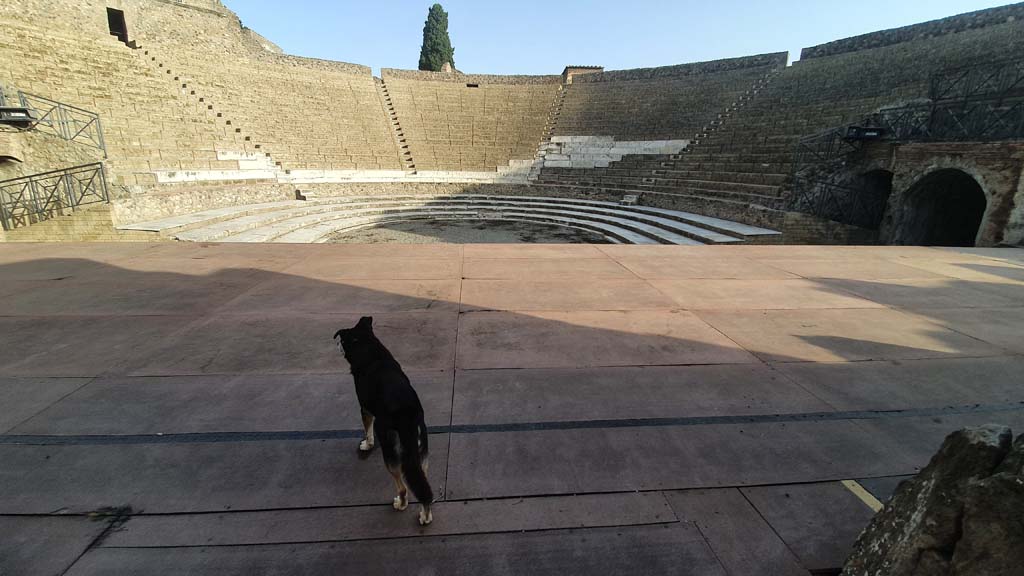
VIII.7.20 Pompeii. August 2021. Looking north from stage.
Foto Annette Haug, ERC Grant 681269 DÉCOR
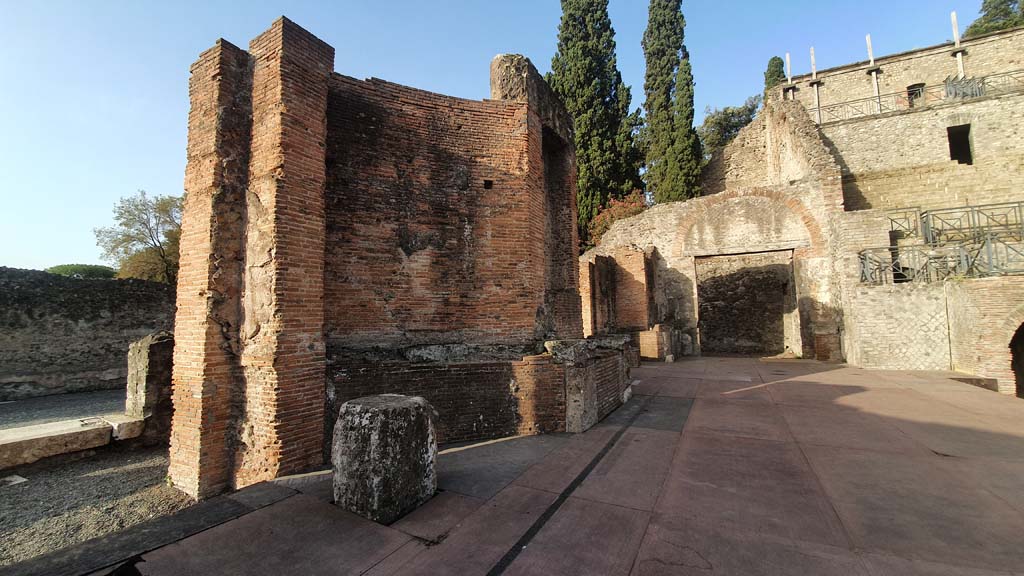
VIII.7.20 Pompeii. August 2021. Looking west from stage towards another exit from stage.
Foto Annette Haug, ERC Grant 681269 DÉCOR.
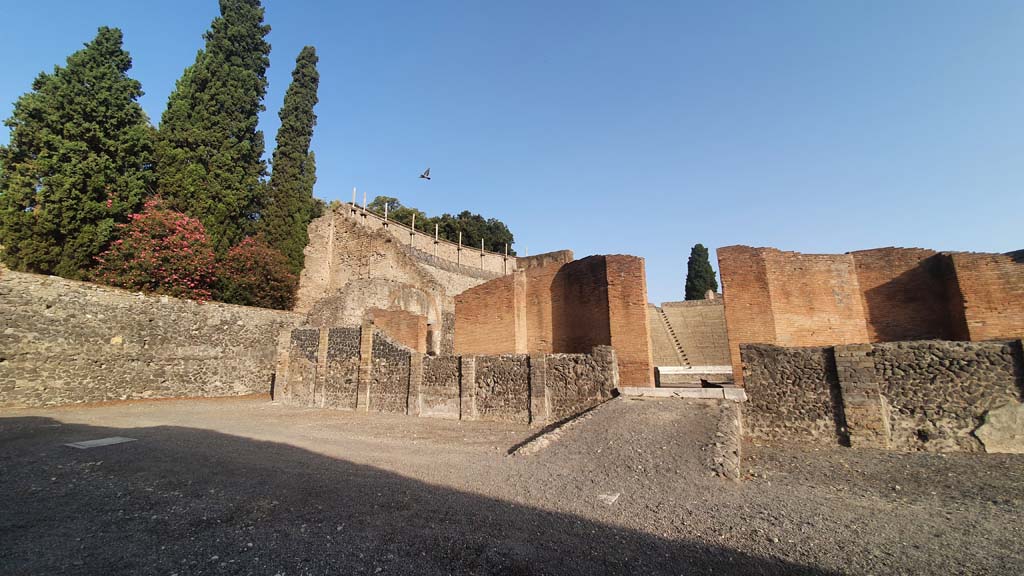
VIII.7.20 Pompeii. August 2021. Looking north-west from rear of stage.
Foto
Annette Haug, ERC Grant 681269 DÉCOR.
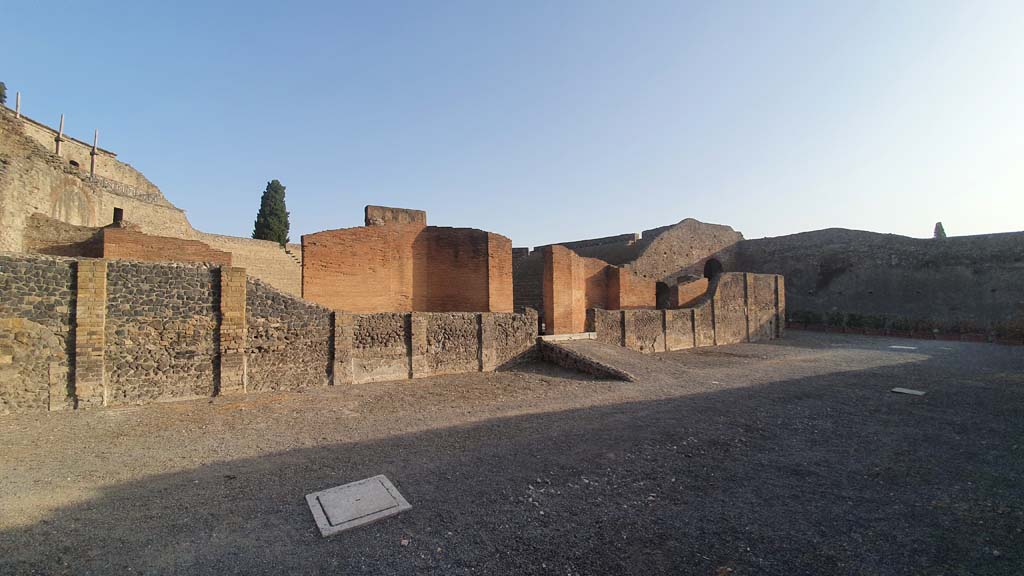
VIII.7.20 Pompeii. August 2021. Looking north-east from rear of stage towards East side.
Foto Annette Haug, ERC Grant 681269 DÉCOR.
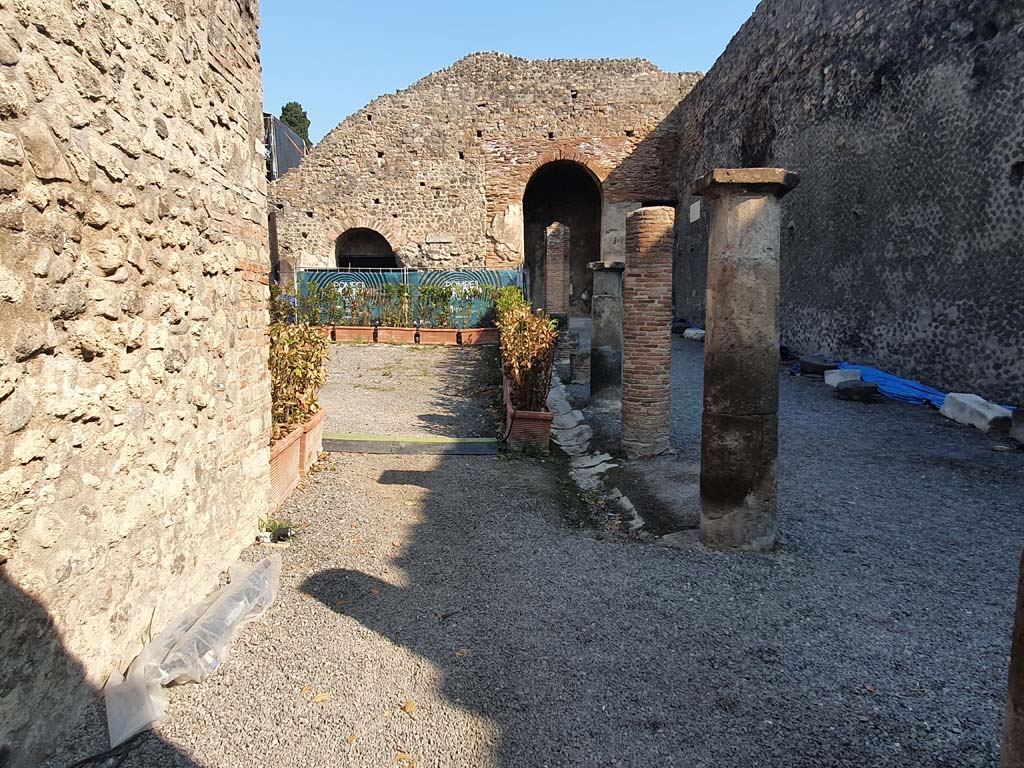
VIII.7.20 Pompeii. July
2021. Looking north in area on east side near the stage.
Foto Annette Haug, ERC Grant 681269 DÉCOR.
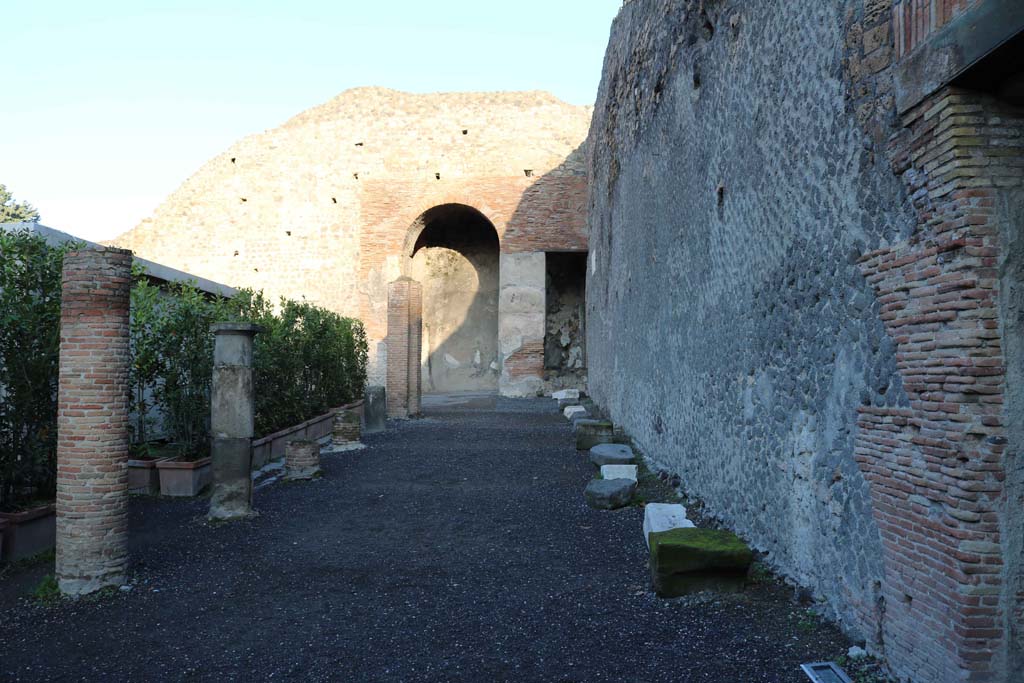
VIII.7.20 Pompeii. December 2018.
East side. Looking north in area near the stage, with entrance to
Little Theatre, on right. Photo courtesy of Aude Durand.
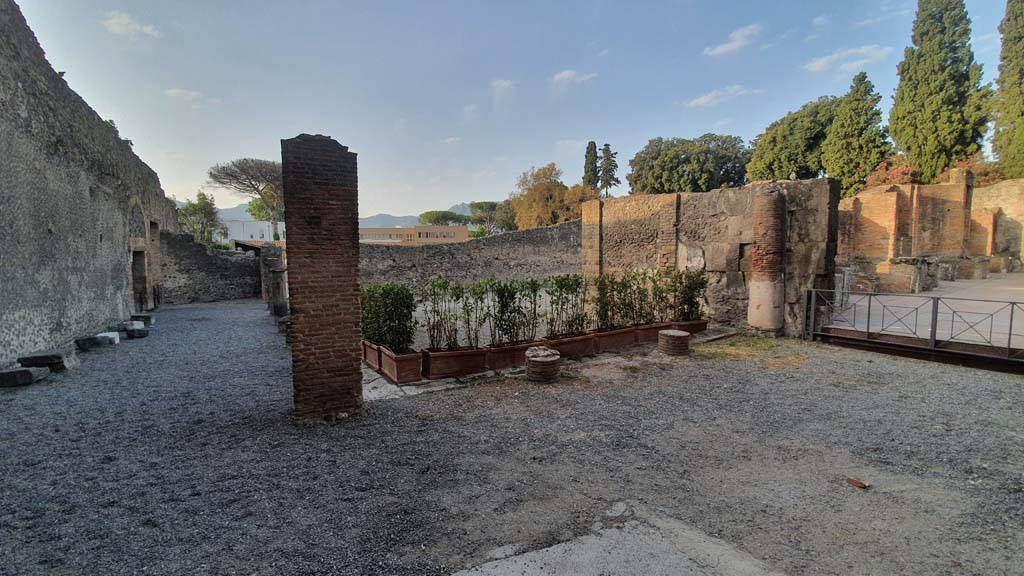
VIII.7.20 Pompeii. August 2021. East side. Looking south in area near the stage, with entrance to stage, on right.
Foto
Annette Haug, ERC Grant 681269 DÉCOR.
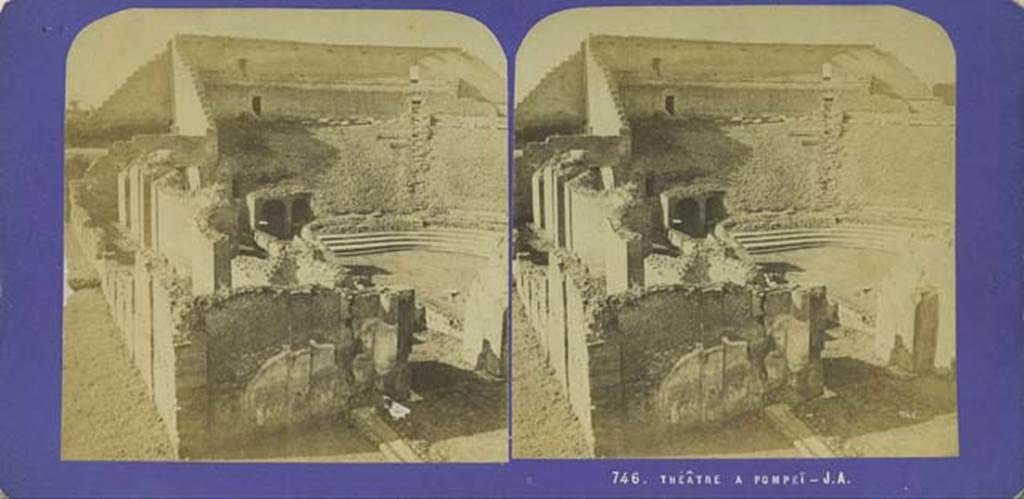
VIII.7.20 Pompeii. Photo c.1860-1870 by Jean Andrieu, no.746.
Looking west towards Large Theatre, with entrance to stage, on right. Photo courtesy of Rick Bauer.
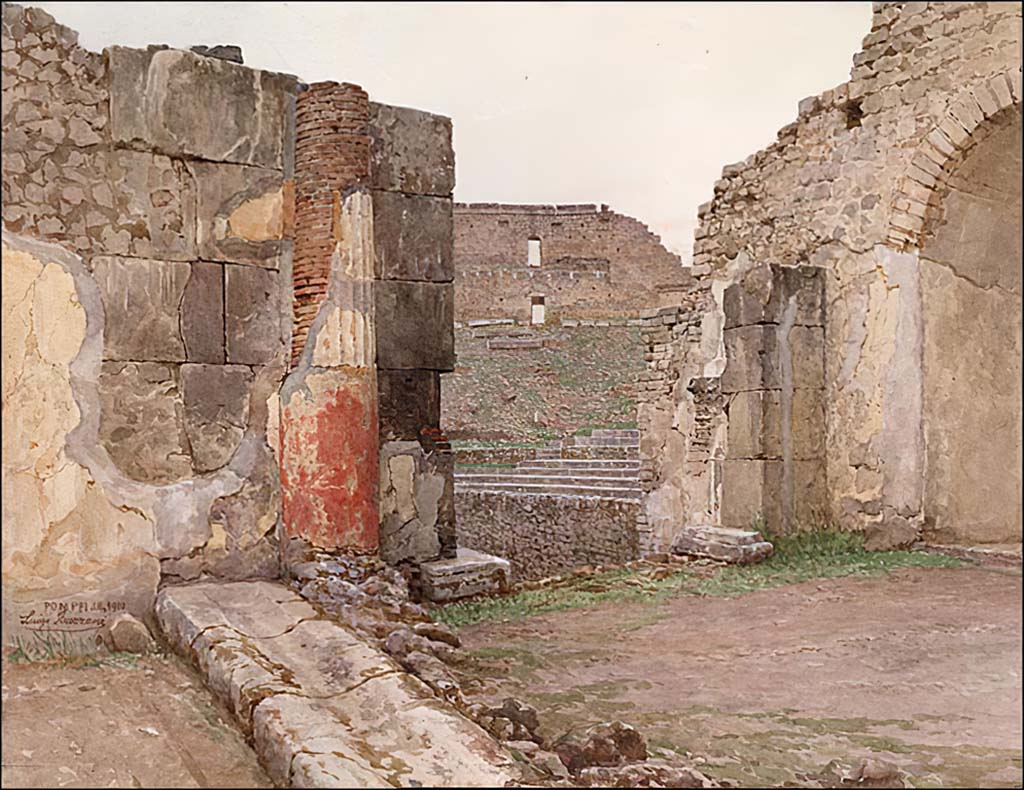
VIII.7.20 Pompeii. 1910. Watercolour
by Luigi Bazzani, entrance to stage of large theatre.
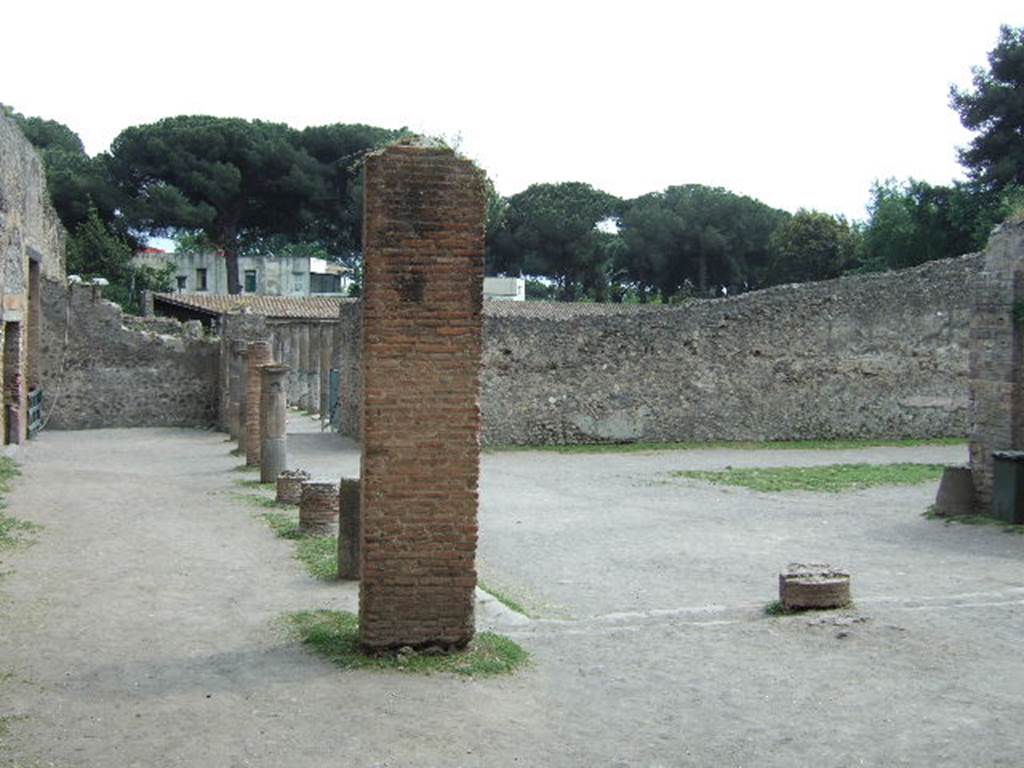
VIII.7.20 Pompeii. May 2006. East side. Looking south past the area near the stage, towards the Gladiators Barracks.
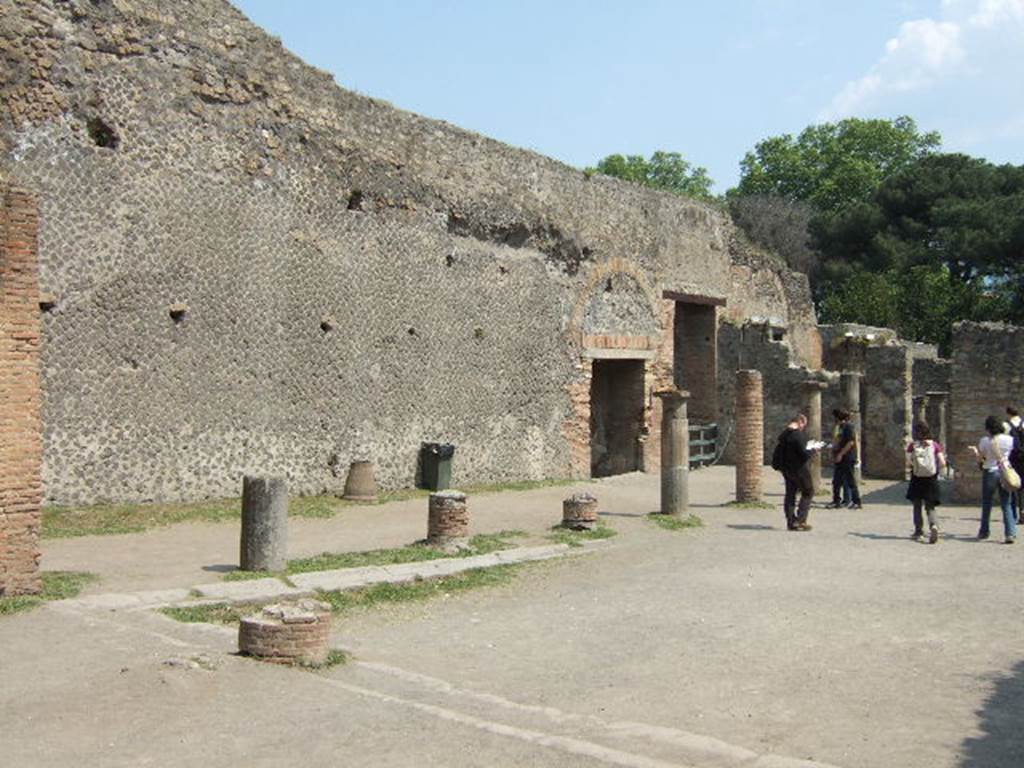
VIII.7.20 Pompeii. May 2006. East side. Looking south past the area near the stage, towards the doorway to the Little Theatre.
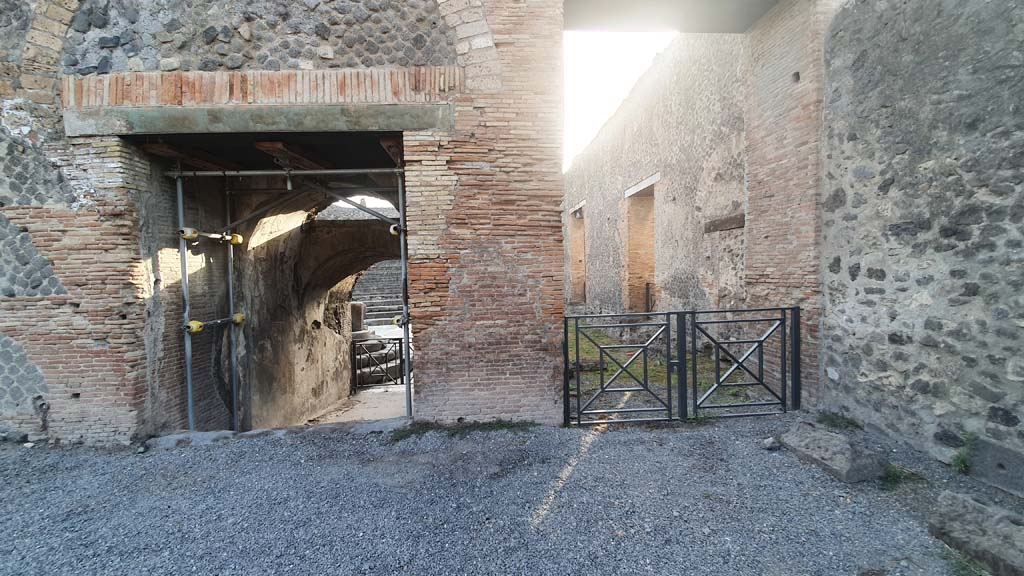
VIII.7.20/19 Pompeii. August 2021. Looking east to exit/entrances to
Little Theatre, on left, and VIII.7.18, on right.
Foto Annette Haug, ERC Grant 681269 DÉCOR.
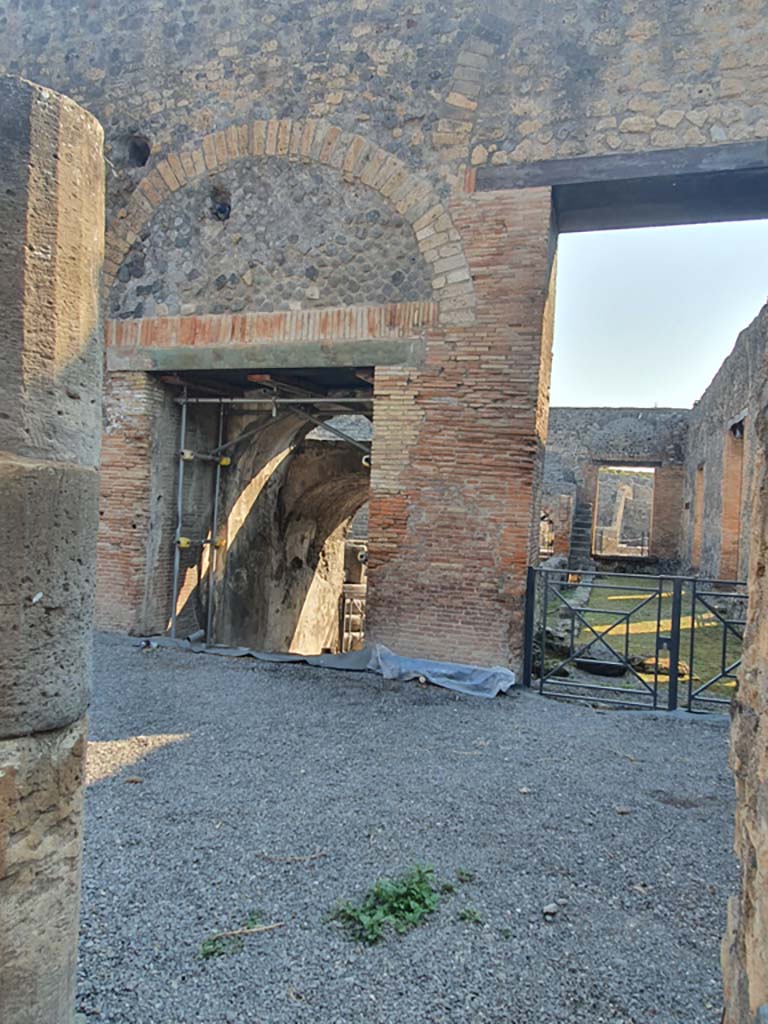
VIII.7.20/19 Pompeii. July 2021.
Looking east to exit/entrances to Little Theatre, on left, and
VIII.7.18, on right.
Foto Annette Haug, ERC Grant 681269 DÉCOR.
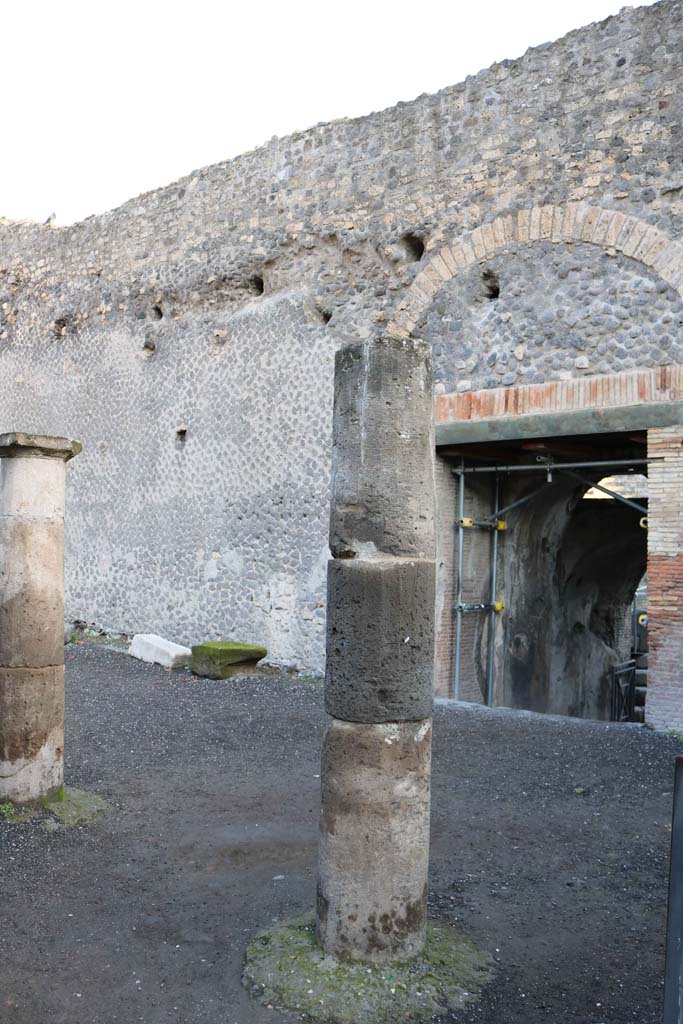
VIII.7.20/19 Pompeii. December 2018.
Exit/entrance
to Little Theatre, on east end of Large Theatre near the stage.
Photo
courtesy of Aude Durand.
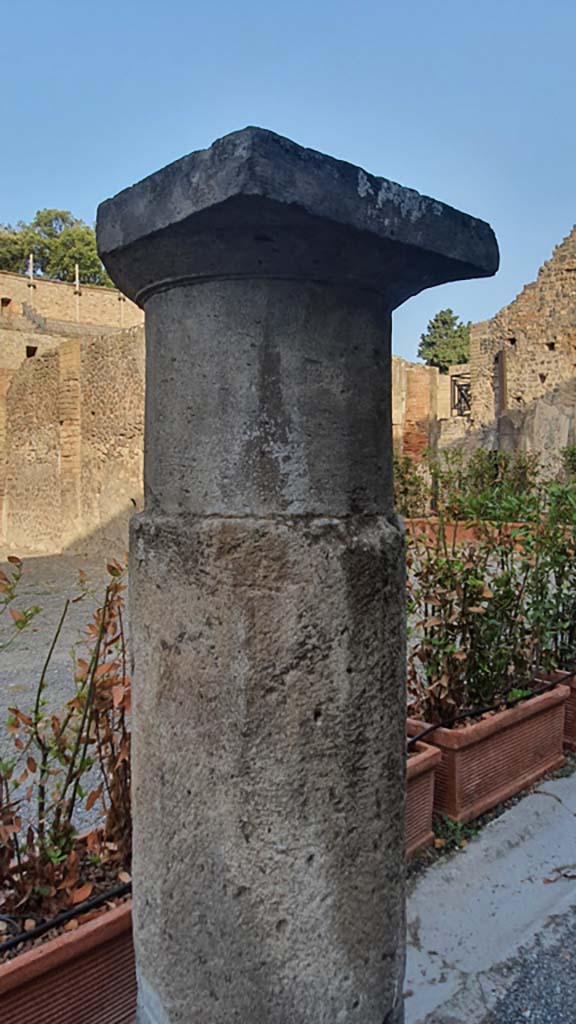
VIII.7.20 Pompeii August 2021.
Detail of column on east end of Large Theatre near the stage.
Foto Annette Haug, ERC Grant 681269 DÉCOR.