70964


        PompeiiinPictures

   Home     Pompeii Plan    Regio I    Regio II    Regio III    Regio IV    Regio V    Regio VI    Regio VII    Regio VIII    Regio IX

   VII.1    VII.2    VII.3    VII.4    VII.5    VII.6    VII.7    VII.8    VII.9    VII.10    VII.11    VII.12    VII.13    VII.14    VII.15    VII.16


VII.9.64 Pompeii. Steps to upper floor dwelling.

Excavated 1820.
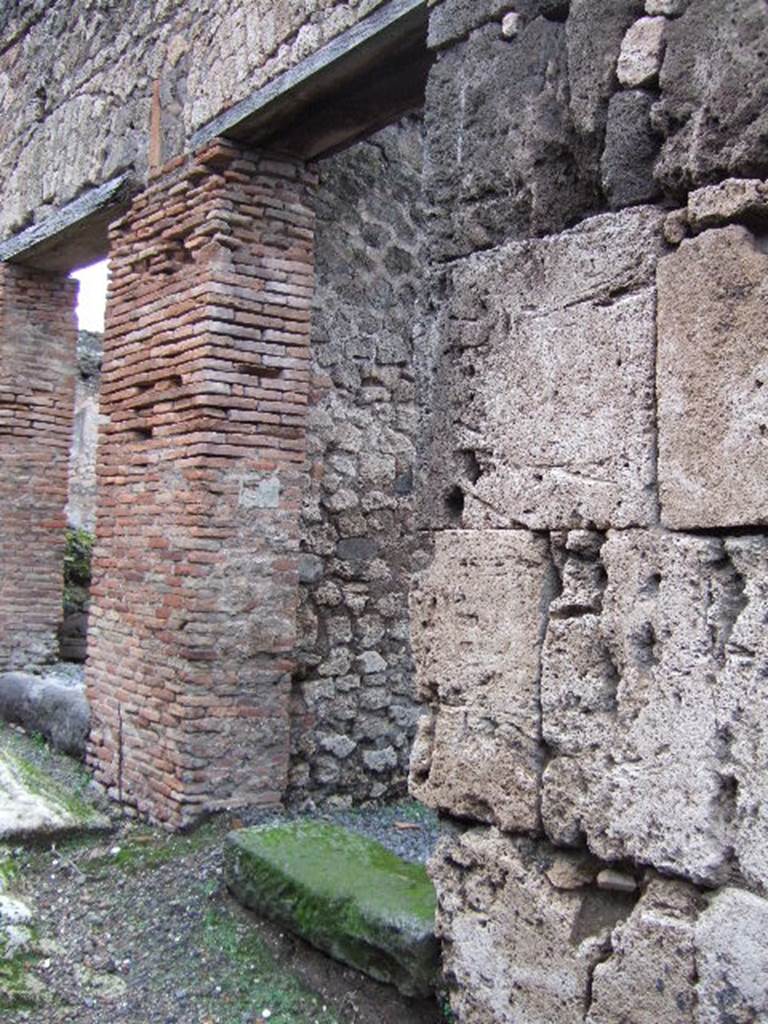
 

VII.9.64 Pompeii.  December 2005. Entrance on Vicolo degli Scheletri.
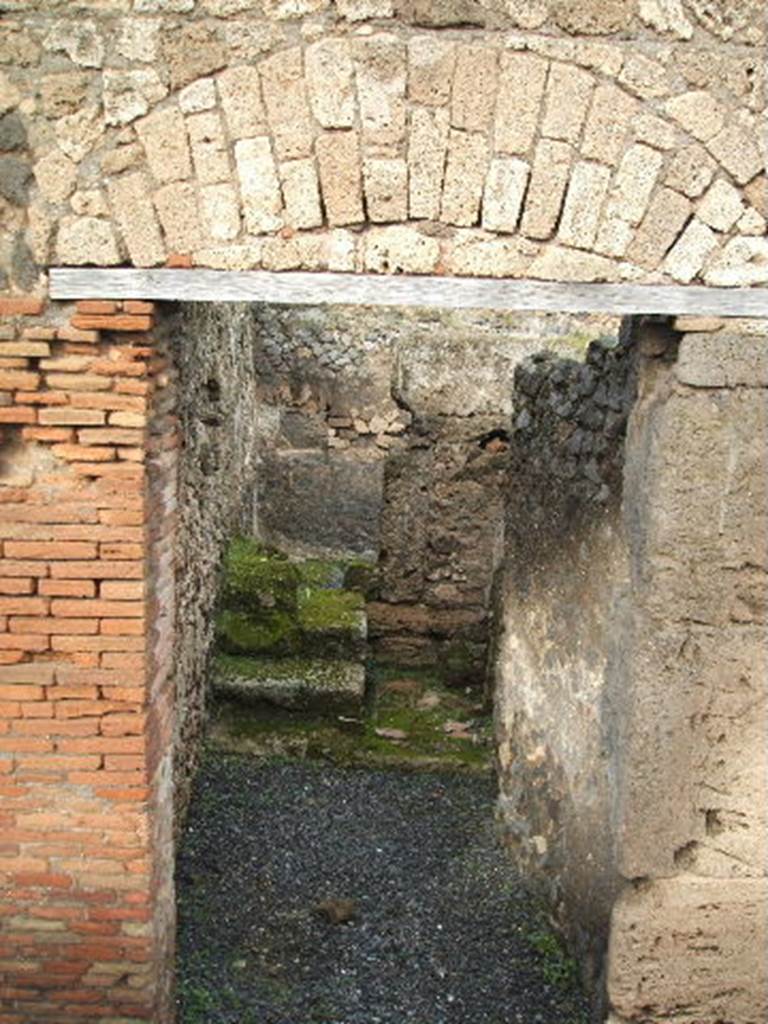
VII.9.64 Pompeii. December 2005. Entrance on Vicolo degli Scheletri.


VII.9.64 Pompeii.  December 2004. Looking north from entrance.
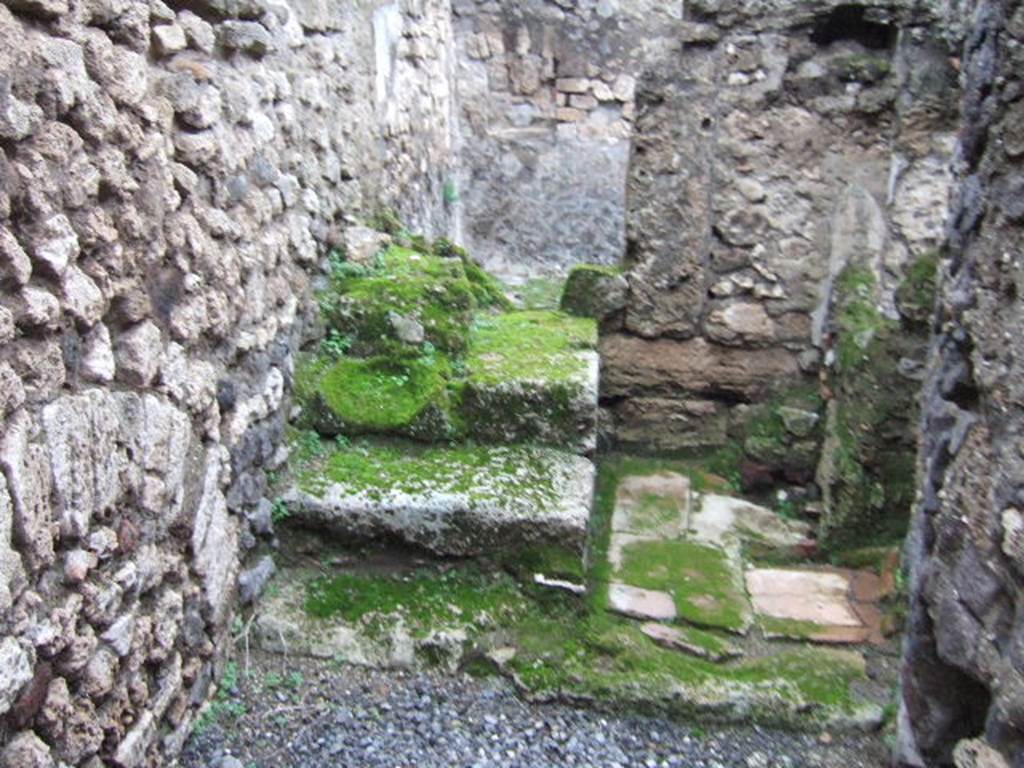
VII.9.64 Pompeii. December 2004. Looking north from entrance.


VII.9.64 Pompeii. December 2005. Steps to upper floor in north-west corner, and latrine in north-east.
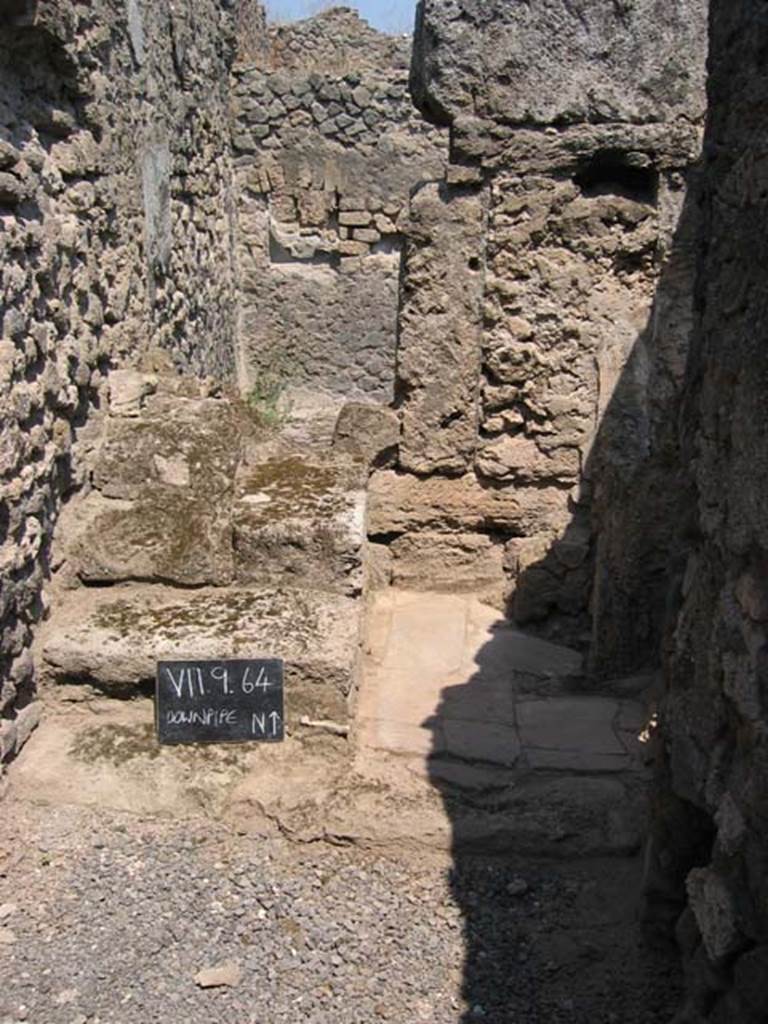
VII.9.64 Pompeii. December 2005.

Steps to upper floor in north-west corner, and latrine in north-east.


VII.9.64 Pompeii. December 2005. Steps to upper floor.

VII.9.64 Pompeii. December 2005. Steps to upper floor.


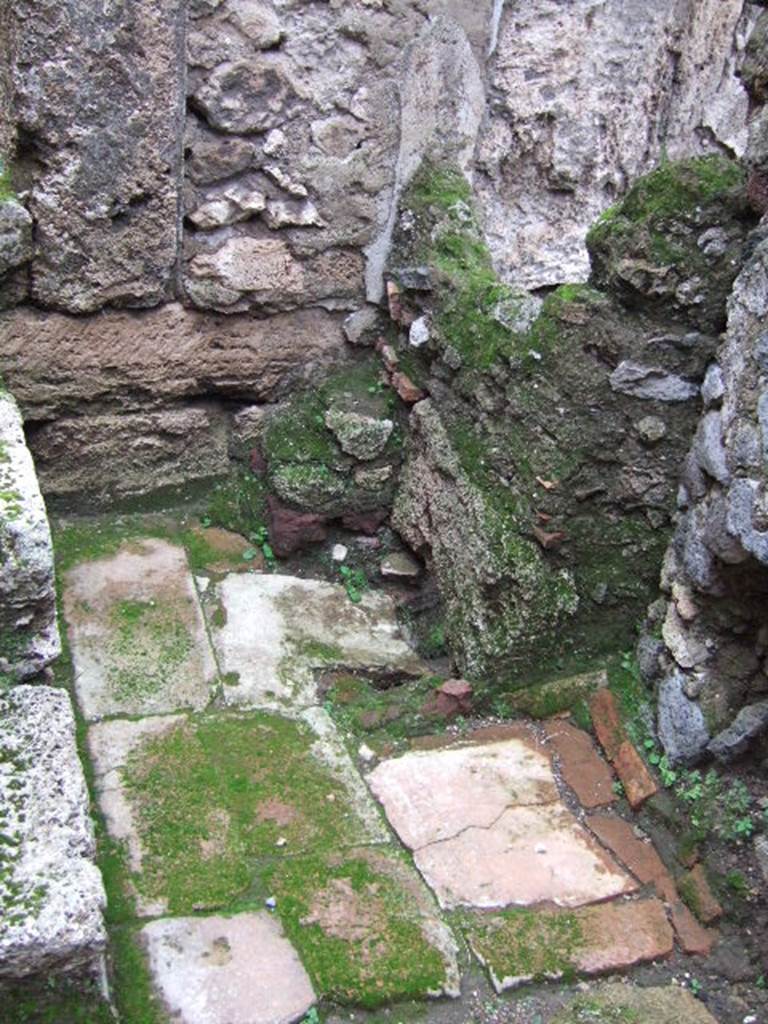
VII.9.64 Pompeii. December 2005. Latrine in north-east corner. According to Hobson when writing “next door to VII.9.63 a new entrance from the street was made. This gave access via a staircase to the upper storey, and to the right of the stairs another new latrine was constructed.  This was now back to back with the one in VII.9.63 and emptied into the same cesspit. In addition the staircase led to an upper storey latrine, the down pipe from which was inserted into the wall.
The provision here of three latrines leads one to ask who used each of them?”.  
See Hobson, B., 2009. Latrinae et foricae: Toilets in the Roman World. London; Duckworth. (p.68)
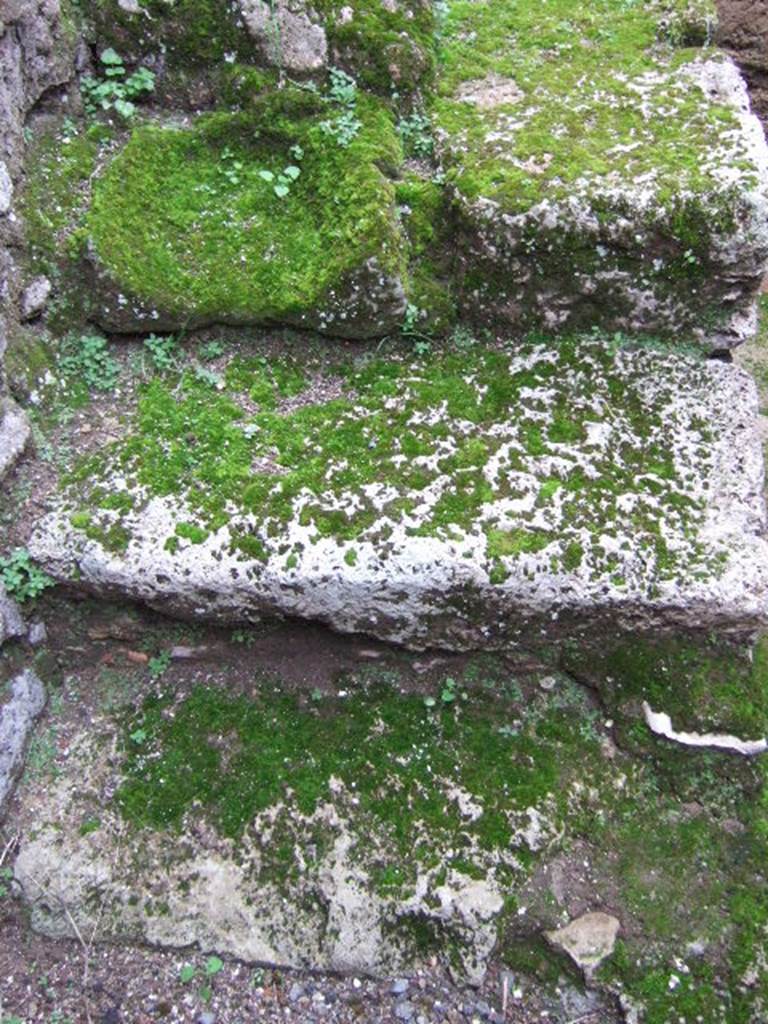
VII.9.64 Pompeii. December 2005. Latrine in north-east corner.

According to Hobson when writing “next door to VII.9.63 a new entrance from the street was made.

This gave access via a staircase to the upper storey, and to the right of the stairs another new latrine was constructed. 

This was now back to back with the one in VII.9.63 and emptied into the same cesspit.

In addition the staircase led to an upper storey latrine, the down pipe from which was inserted into the wall.

The provision here of three latrines leads one to ask who used each of them?”. 

See Hobson, B., 2009. Latrinae et foricae: Toilets in the Roman World. London; Duckworth. (p.68)