VI.8.20 Pompeii. The Fullonica of L. Veranius Hypsaeus.
Linked to VI.8.21 House of L. Veranius Hypsaeus, and VI.8.2.
Excavated 1824 and 1829. (Strada
di Mercurio 38).
Part 1 Part 2 Part 3
Part 4 Part 5 Part 6
Part 7 Plan
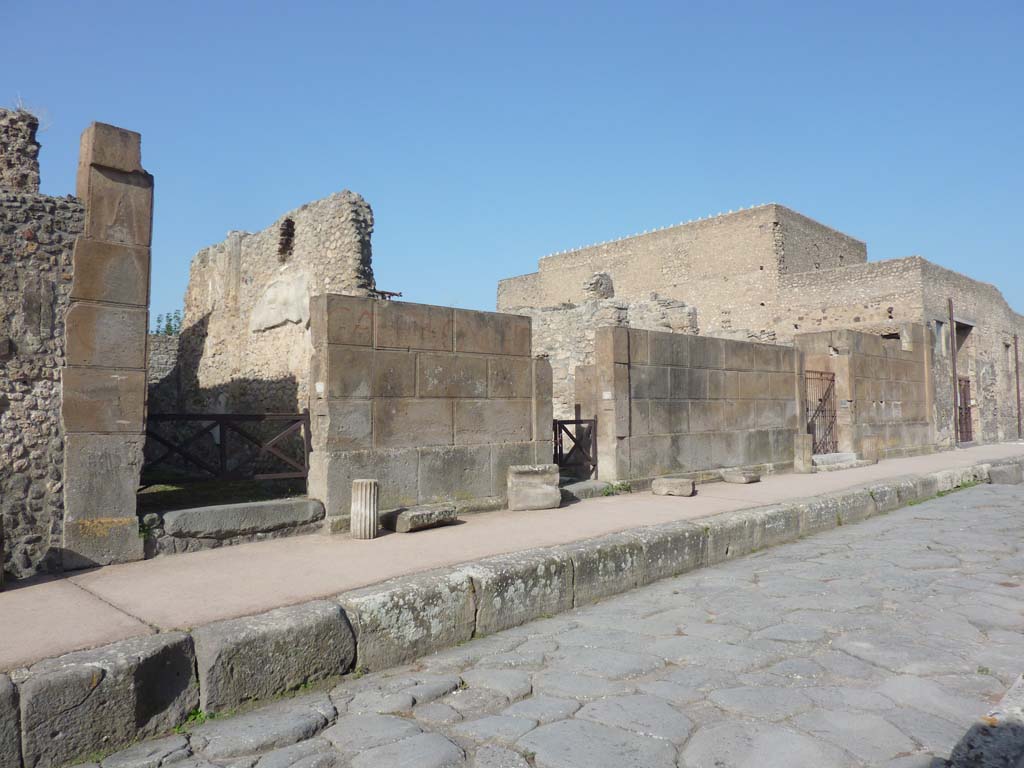
VI.8.20 Pompeii, on left. October 2014. Looking towards west side
of Via di Mercurio, with VI.8.21, in centre, VI.8.22 and 23, on right.
Foto Annette Haug, ERC Grant 681269 DÉCOR.
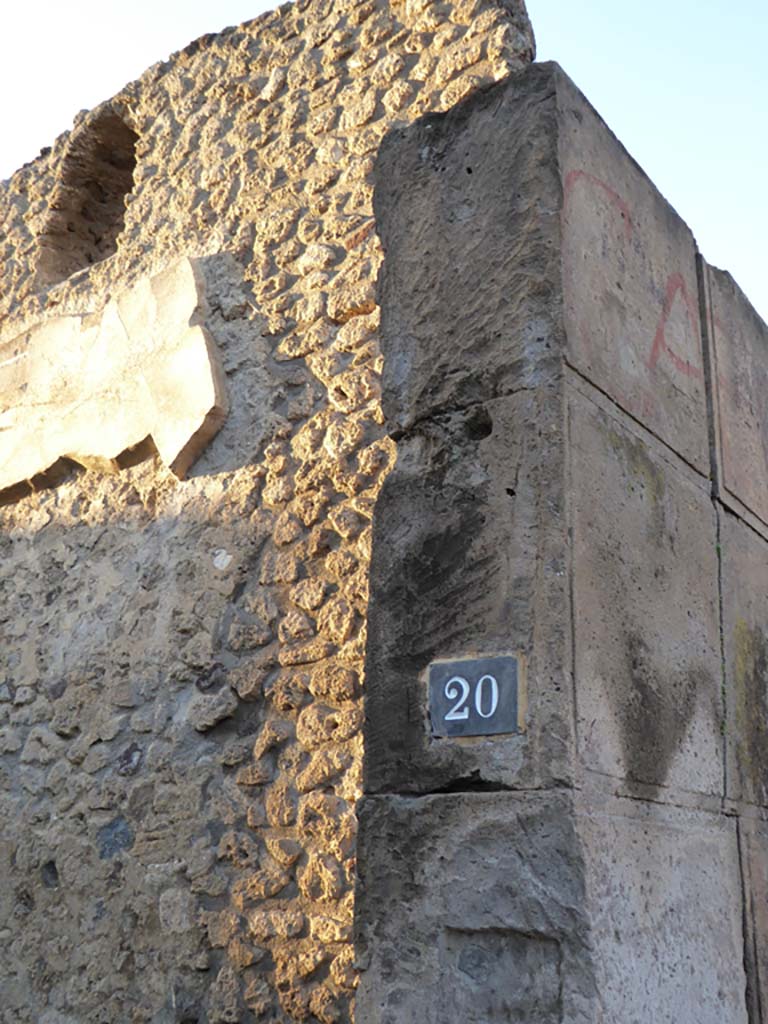
VI.8.20 Pompeii. January 2017. Identification number and north
side of entrance doorway.
Foto Annette Haug, ERC Grant 681269 DÉCOR.
![VI.8.20 Pompeii, and outside wall leading to VI.8.21. December 2005.
Graffiti found in June 1826 on the right hand side of the entrance, were –
[Hyp]saeum quinq(uennalem)
d(ignum) r(ei) p(ublicae) vicini volunt [CIL IV 193]
Casellium aed(ilem) o(ro) v(os) f(aciatis) [CIL IV 194]
Also found in June 1826 on the wall that followed the fullonica, written in black, were –
C(aium) Gavium Rufum IIvir(um) i(ure) d(icundo) o(ro) v(os) f(aciatis) [CIL IV 198]
M(arcum) Holconium Priscum [CIL IV 199]
L(ucium) Veranium Hypsaeum
quinq(uennalem) o(ro) v(os) f(aciatis) [CIL IV 200]
Celsum aed(ilem)
o(ro) v(os) f(aciatis) [CIL IV 201]
See Pagano, M. and Prisciandaro, R., 2006. Studio sulle provenienze degli oggetti rinvenuti negli scavi borbonici del regno di Napoli. Naples : Nicola Longobardi. (p. 135) PAH II, 160; III, 69; PAH II, 165; III, 71.
According to Varone and Stefani, CIL IV 30 was also found on this wall, and is still partially conserved, see also description on photo below.
See Varone, A. and Stefani, G., 2009. Titulorum Pictorum Pompeianorum, Rome: L’erma di Bretschneider, (p.319)
According to Epigraphik-Datenbank Clauss/Slaby (See www.manfredclauss.de), this read as –
Q(uintum) Caecil(ium) q(uaestorem) v(irum) b(onum) et [3] be[nef]icum [CIL IV 30]](6%2008%2020_files/image005.jpg)
VI.8.20 Pompeii, entrance on left, and outside wall leading to VI.8.21. December 2005.
Graffiti found in June 1826 on the right-hand side of the entrance, were –
[Hyp]saeum
quinq(uennalem)
d(ignum) r(ei)
p(ublicae) vicini volunt [CIL IV 193]
Casellium
aed(ilem) o(ro) v(os) f(aciatis) [CIL
IV 194]
Also found in June 1826 on the wall that followed the fullonica, written in black, were –
C(aium) Gavium
Rufum IIvir(um) i(ure) d(icundo) o(ro) v(os) f(aciatis) [CIL IV 198]
M(arcum)
Holconium Priscum [CIL IV 199]
L(ucium)
Veranium Hypsaeum
quinq(uennalem)
o(ro) v(os) f(aciatis) [CIL IV 200]
Celsum
aed(ilem)
o(ro) v(os)
f(aciatis) [CIL IV 201]
See Pagano, M.
and Prisciandaro, R., 2006. Studio sulle
provenienze degli oggetti rinvenuti negli scavi borbonici del regno di
Napoli. Naples: Nicola Longobardi, (p. 135); PAH II, 160; III, 69; PAH II,
165; III, 71.
According to Varone and Stefani, CIL IV 30 was also found on this wall, and is still partially conserved, see also description on photo below.
See Varone, A. and Stefani, G., 2009. Titulorum Pictorum
Pompeianorum, Rome:
L’erma di Bretschneider, (p.319)
According to Epigraphik-Datenbank Clauss/Slaby (See www.manfredclauss.de), this read as –
Q(uintum)
Caecil(ium) q(uaestorem) v(irum) b(onum) et [3] be[nef]icum [CIL IV 30]
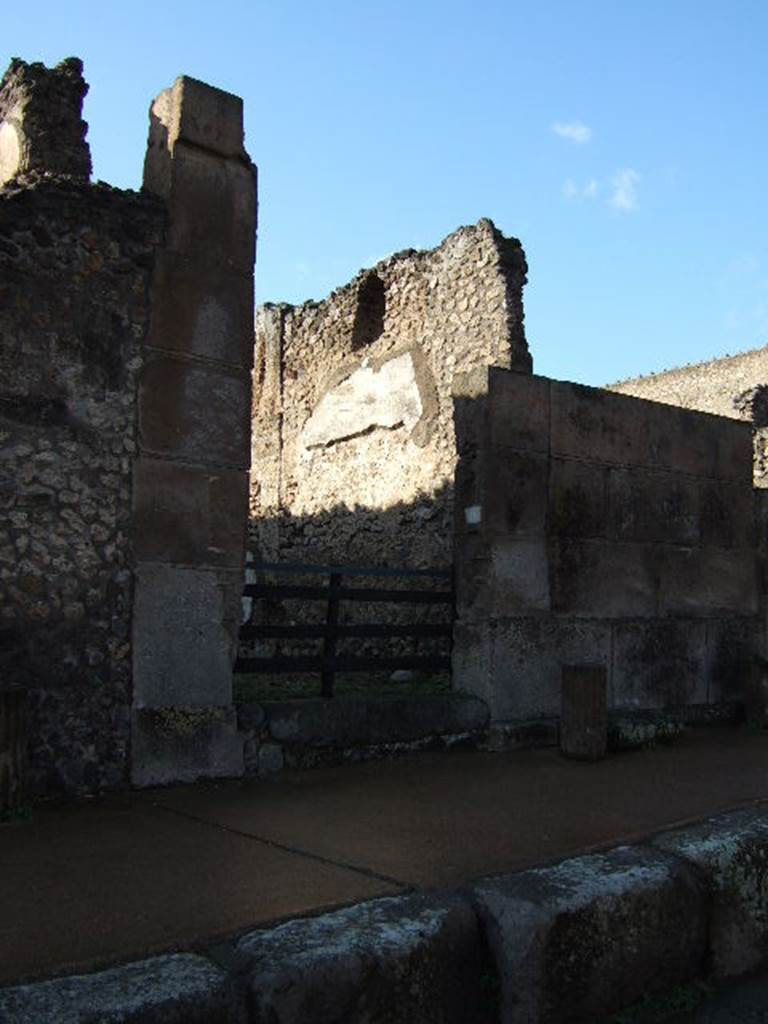
VI.8.20 Pompeii.
December 2005. Entrance doorway on Via di Mercurio.
According to Varone and Stefani, CIL IV 30 was found on the wall to the right of the entrance doorway, and is still partially conserved, see photos above and below.
However, according to them because of an error made in old restoration, the block containing the letter “Q” of the inscription, has been separated from it.
This block is now the fourth block up, in the south door-jamb of the entrance doorway.
See Varone, A. and Stefani, G., 2009. Titulorum Pictorum
Pompeianorum, Rome:
L’erma di Bretschneider, (p.318)
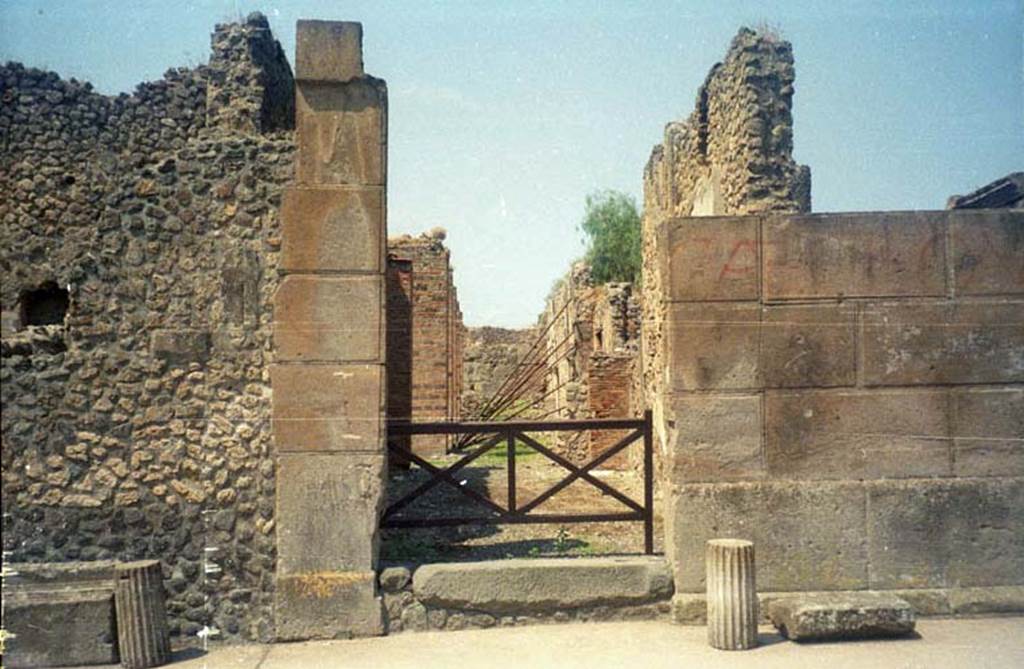
VI.8.20 Pompeii. July 2011. Entrance doorway, looking west. Photo courtesy of Rick Bauer.
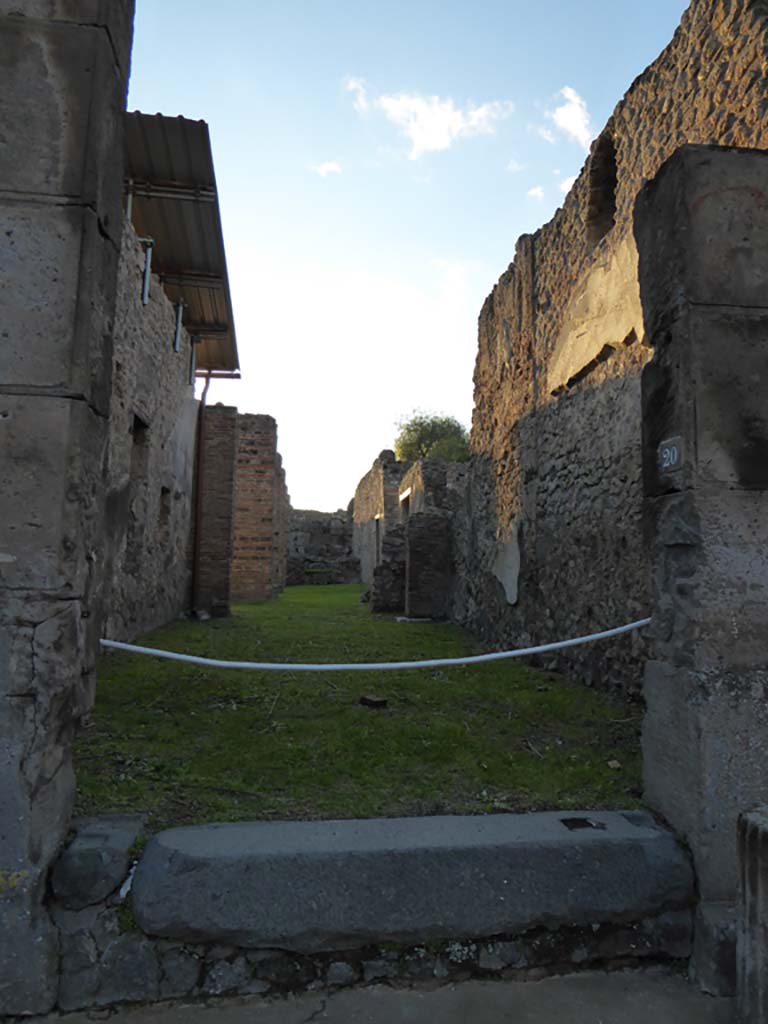
VI.8.20 Pompeii. January 2017.
Looking west from entrance doorway.
Foto
Annette Haug, ERC Grant 681269 DÉCOR.
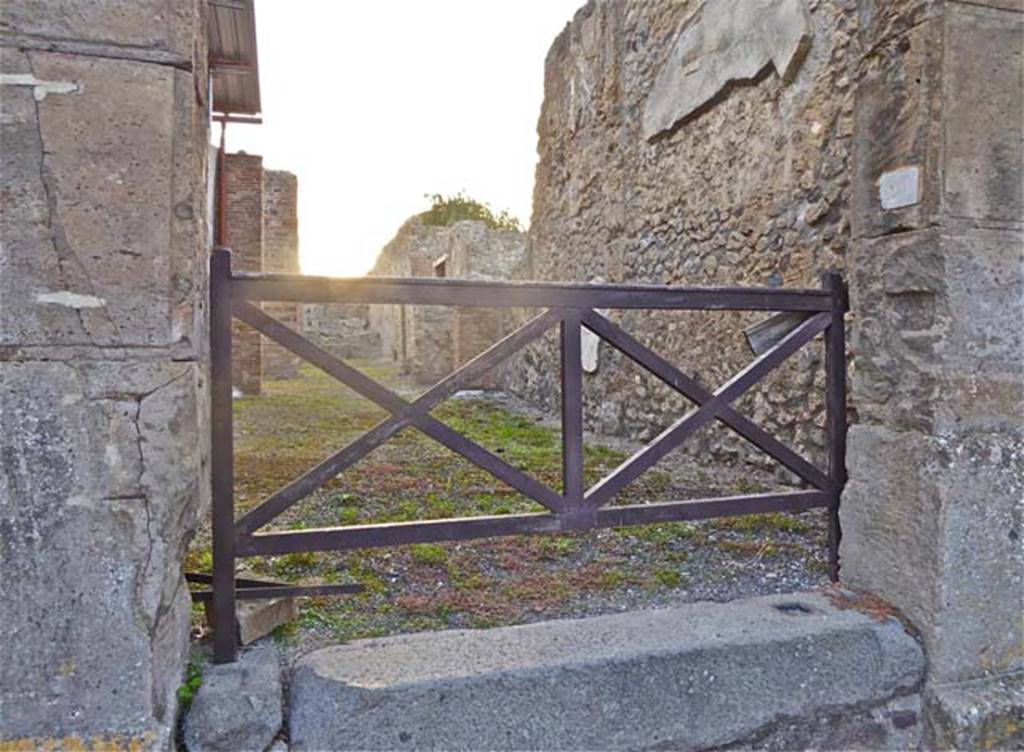
VI.8.20 Pompeii. October 2014. Entrance doorway, looking west. Photo courtesy of Michael Binns.
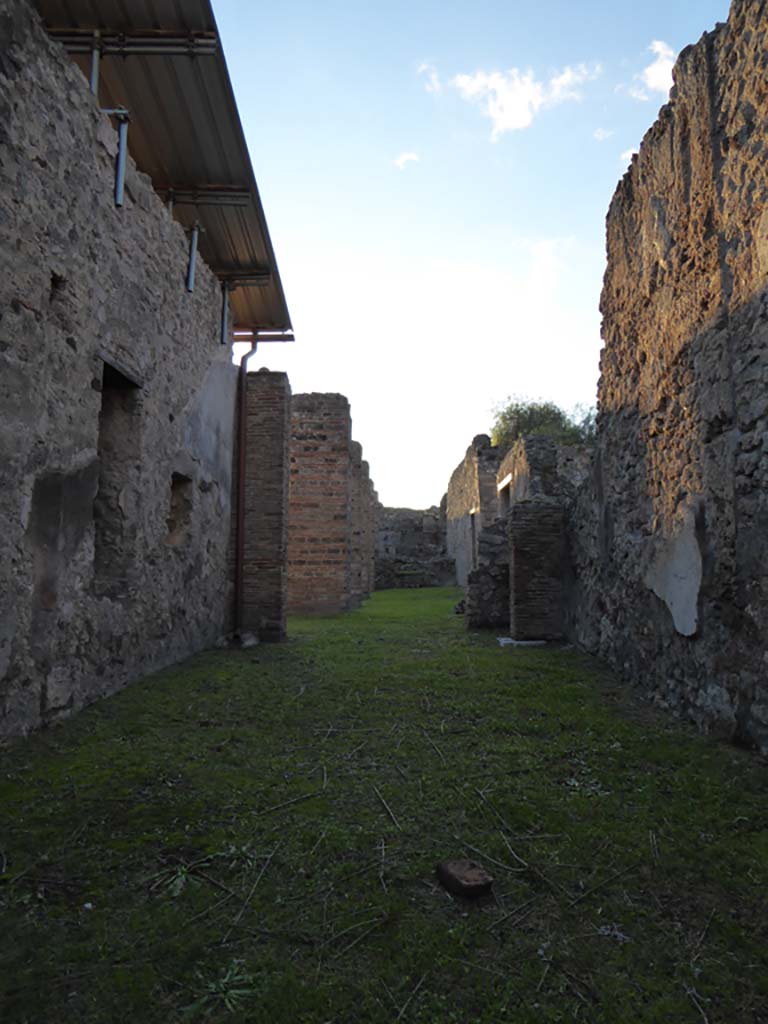
VI.8.20 Pompeii. January 2017. Looking west along entrance
corridor.
Foto Annette Haug, ERC Grant 681269 DÉCOR.
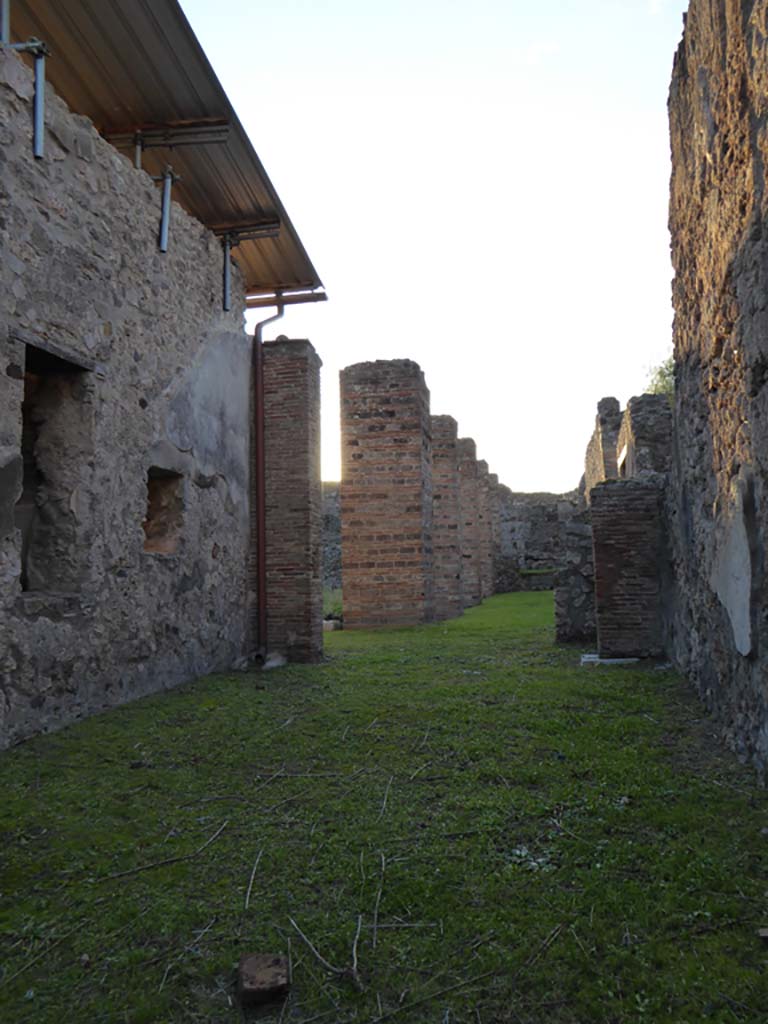
VI.8.20 Pompeii. January 2017. Looking west from entrance corridor
towards peristyle area.
Foto Annette Haug, ERC Grant 681269 DÉCOR.
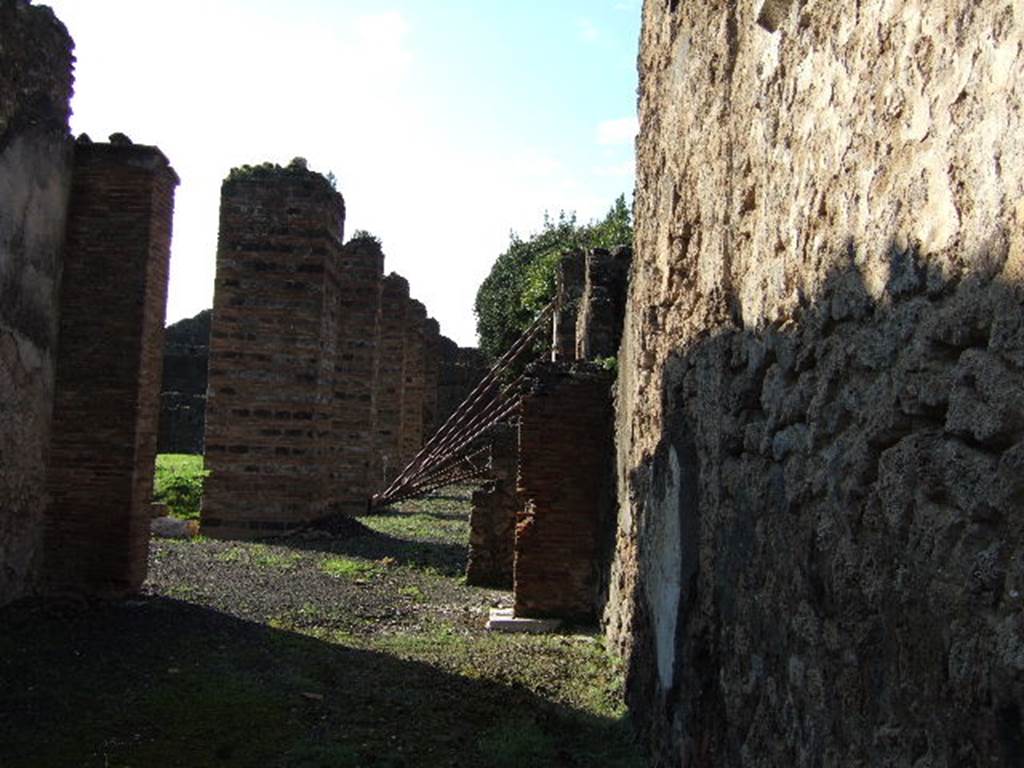
VI.8.20 Pompeii. December 2005. Looking west from entrance doorway.
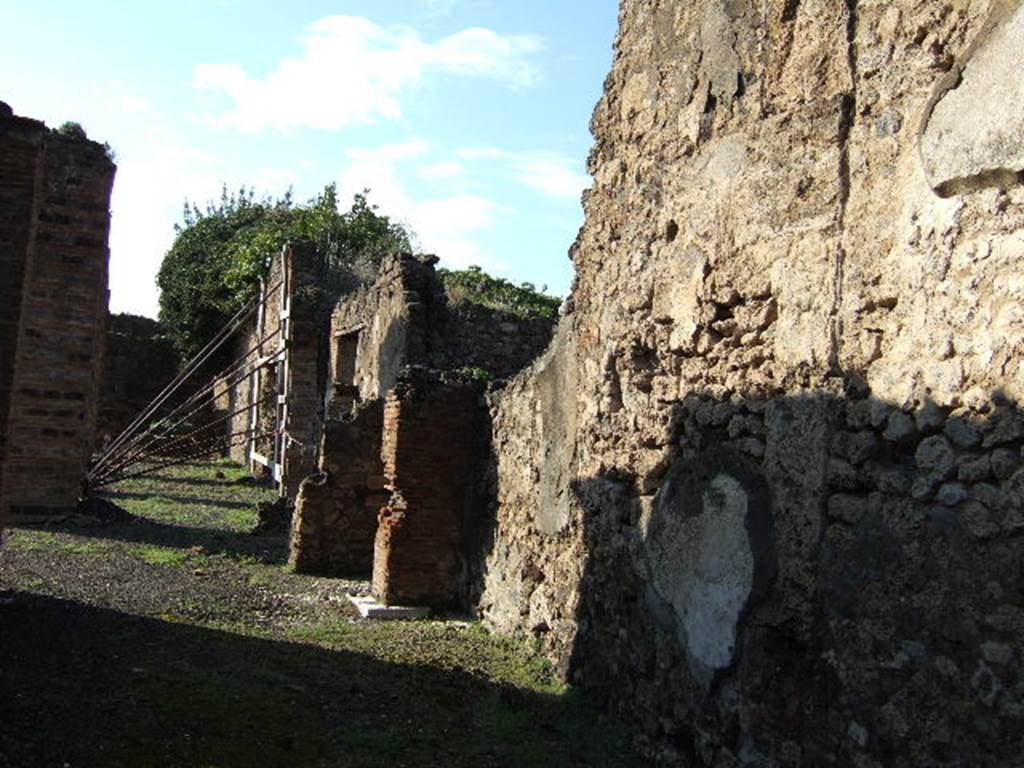
VI.8.20 Pompeii. December 2005. Room 1, north wall of entrance corridor.
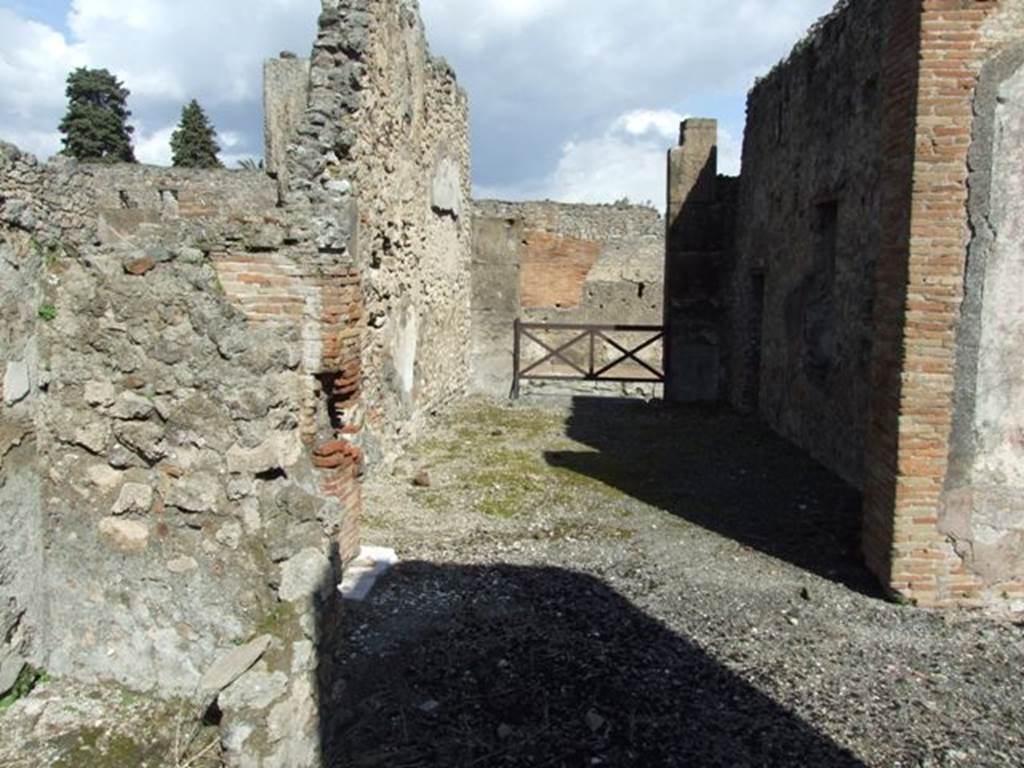
VI.8.20 Pompeii. March 2009. Room 1, entrance corridor. Looking east to entrance doorway at VI.8.20.
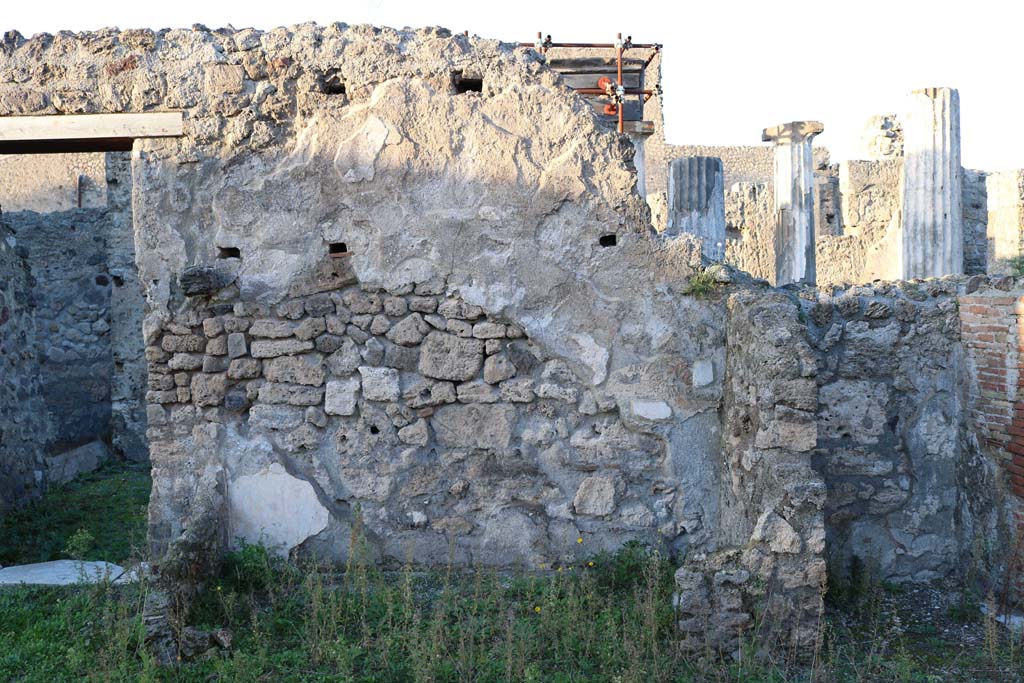
VI.8.20 Pompeii. December 2018.
Room 1, entrance corridor, looking towards north wall, with
doorway to VI.8.21, on left. Photo courtesy of Aude Durand.
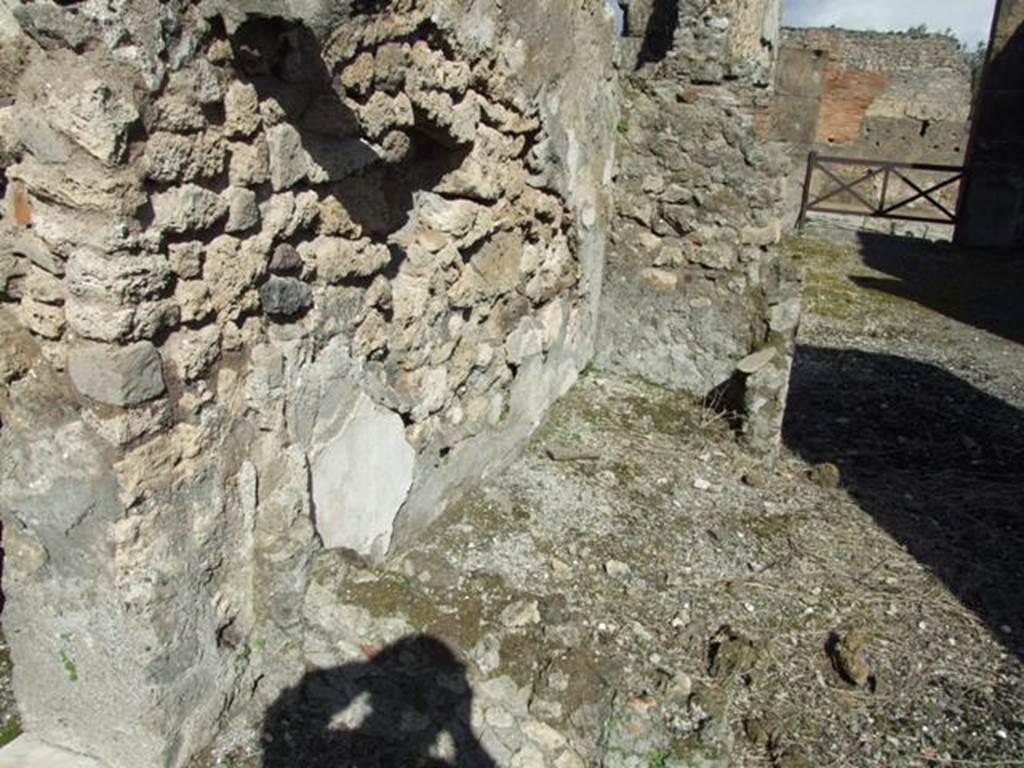
VI.8.20 Pompeii. March 2009. Room 1, north wall of entrance corridor.
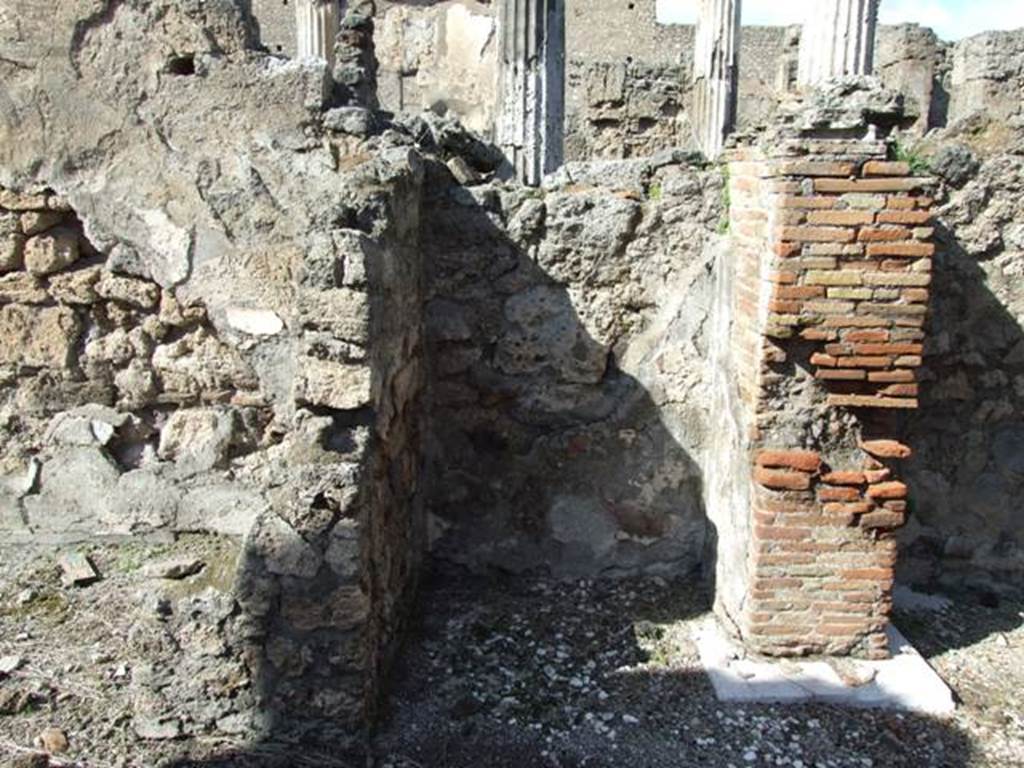
VI.8.20 Pompeii. March 2009. Room 1, small alcove on north wall.
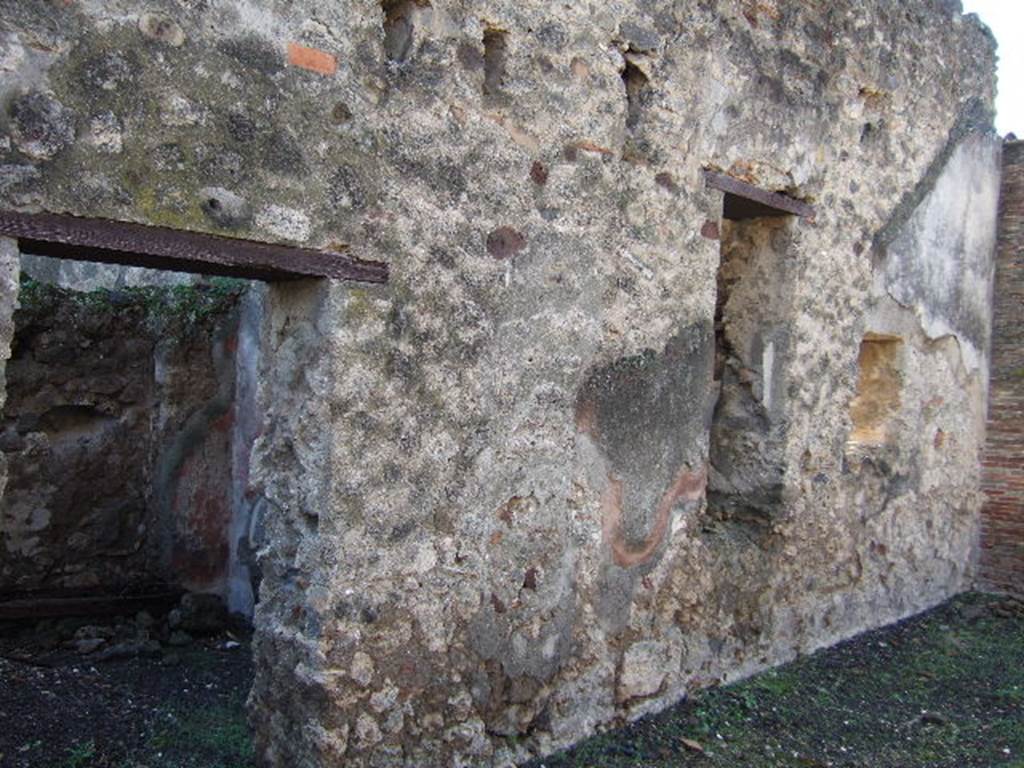
VI.8.20 Pompeii. December 2005. Room 1, looking west along south wall of entrance corridor.
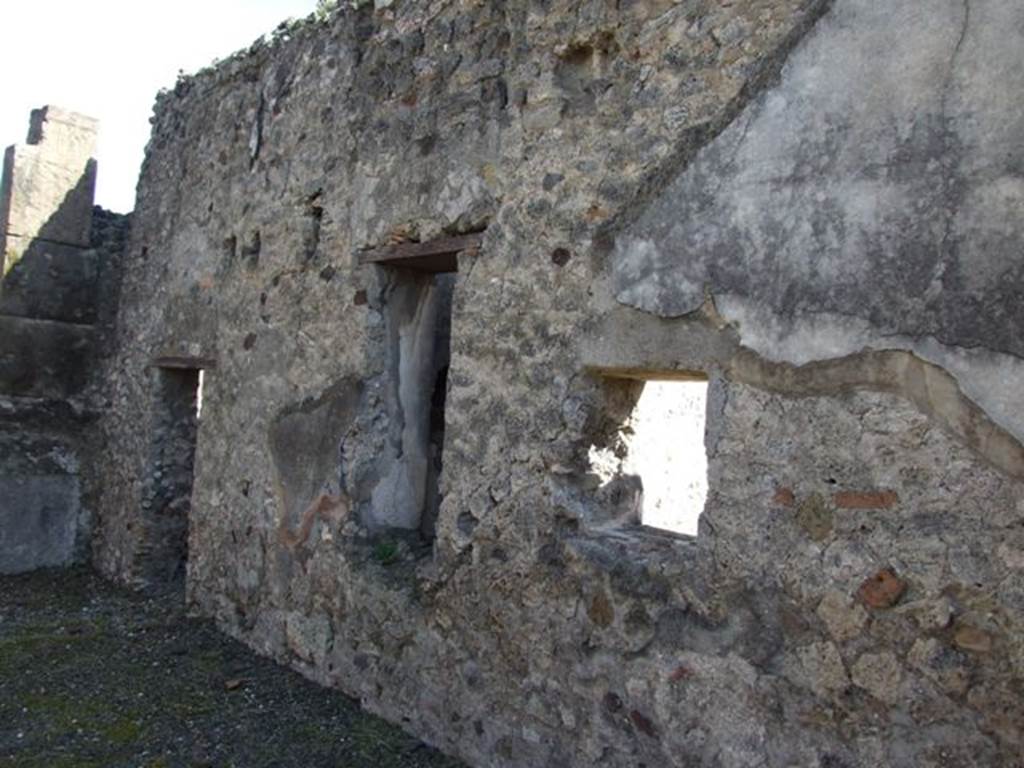
VI.8.20 Pompeii. March 2009. Room 1, looking east along south wall of entrance corridor.
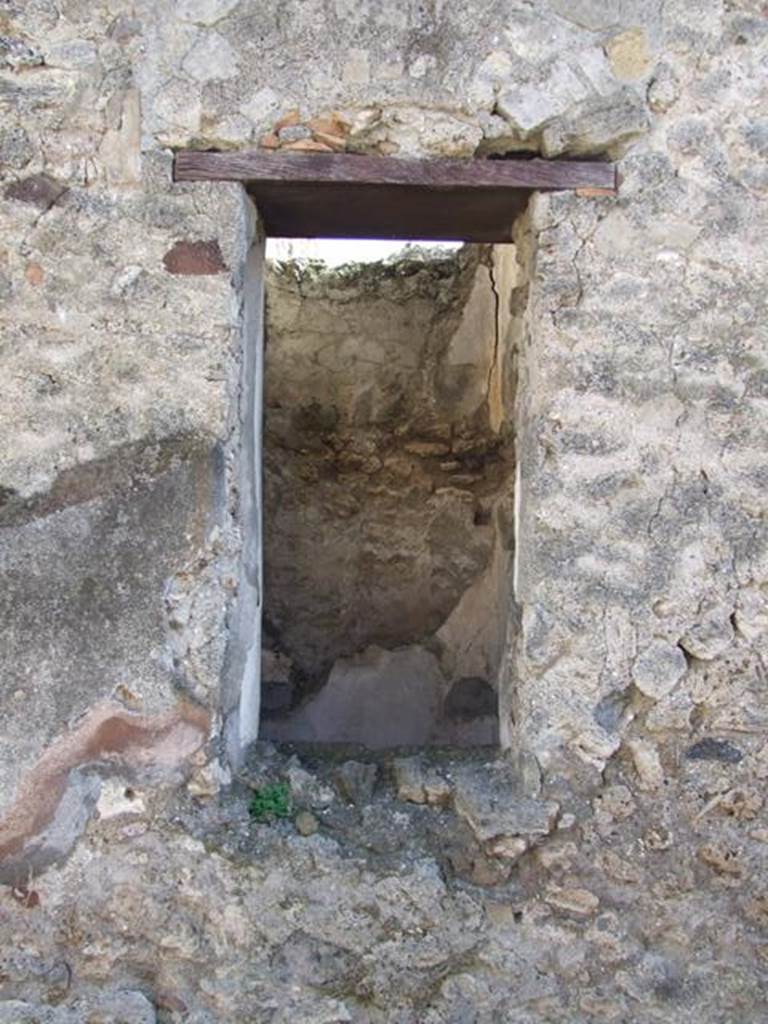
VI.8.20 Pompeii. March 2009. Room 1, entrance corridor.
Window in south wall into small square room 2, with no door.
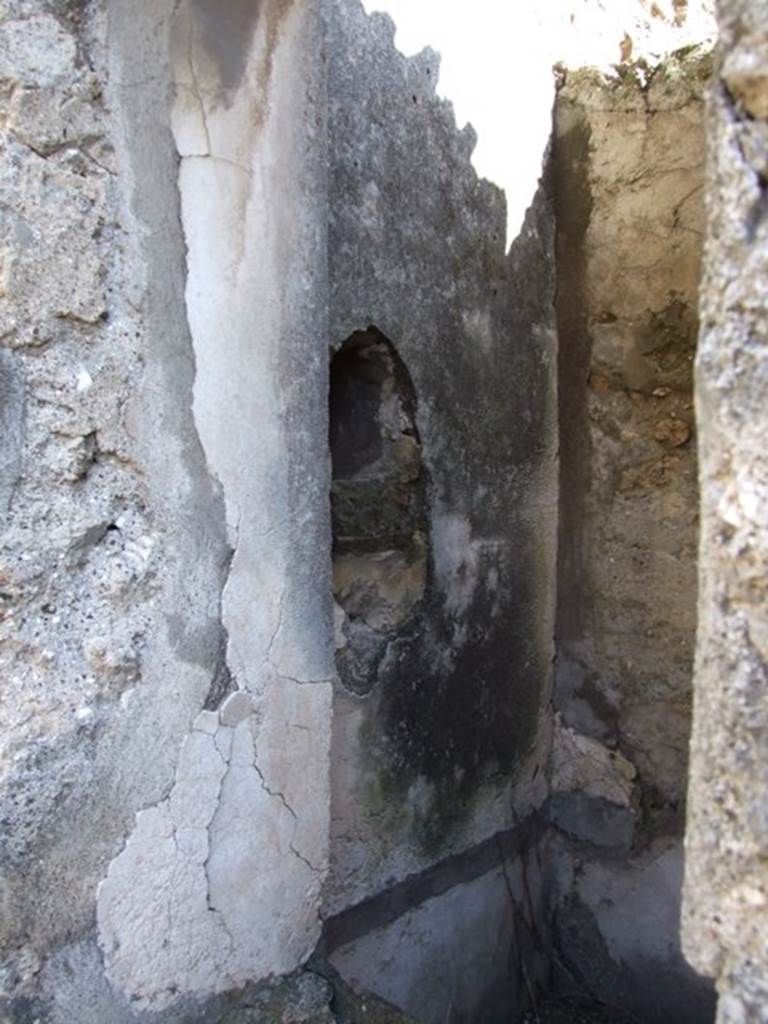
VI.8.20 Pompeii. March 2009. Room 2, east wall, with niche?
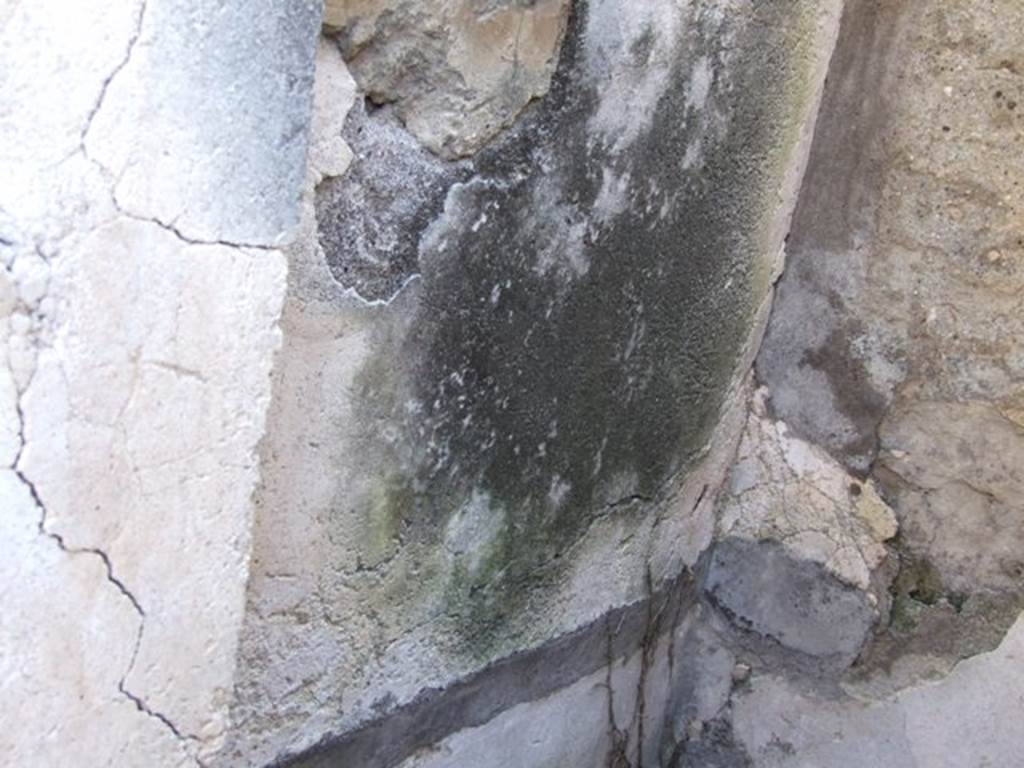
VI.8.20 Pompeii. March 2009. Room 2, plaster in south-east corner.
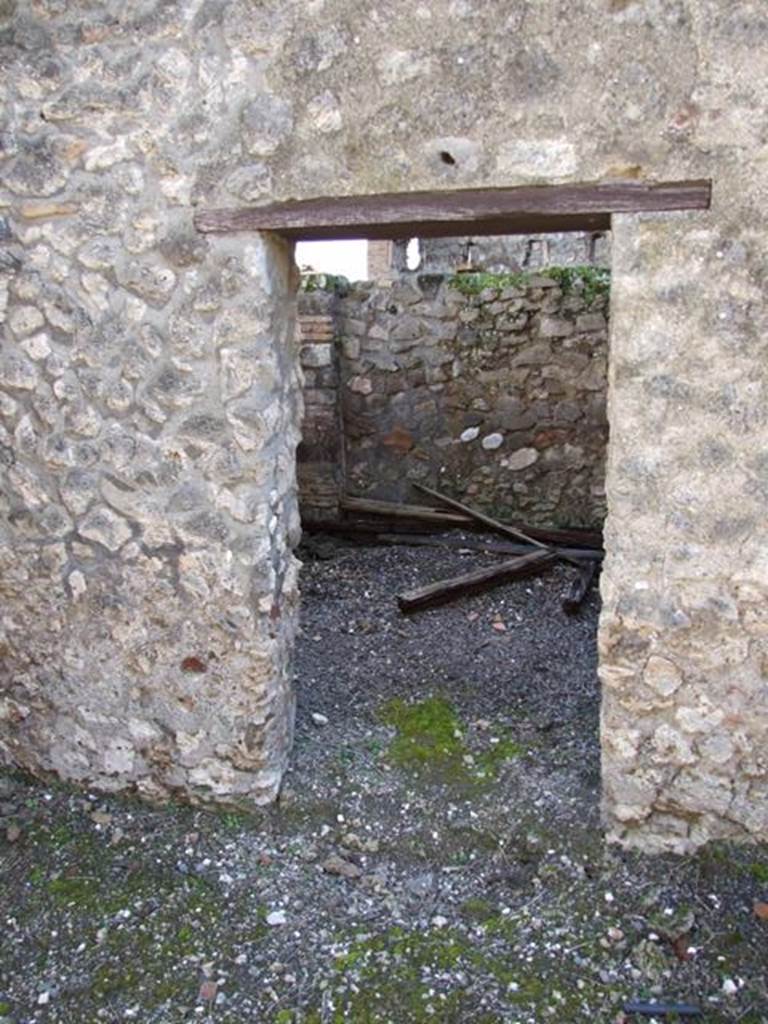
VI.8.20 Pompeii. March 2009. Doorway to room 3.
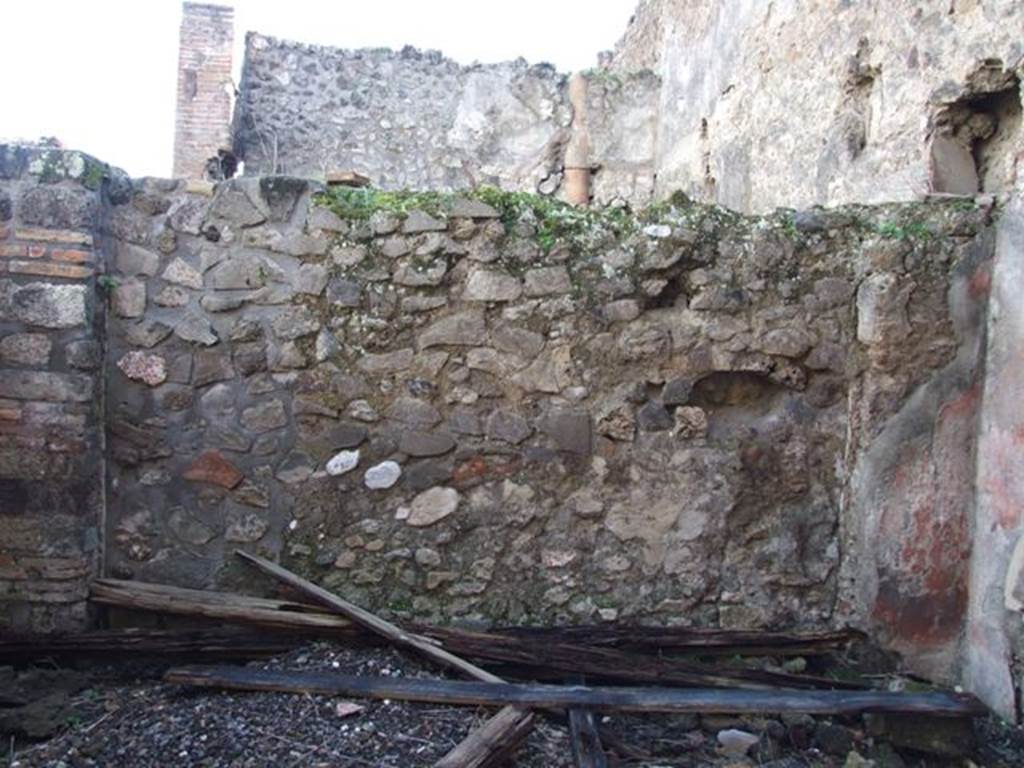
VI.8.20 Pompeii. March 2009. Room 3, south wall.
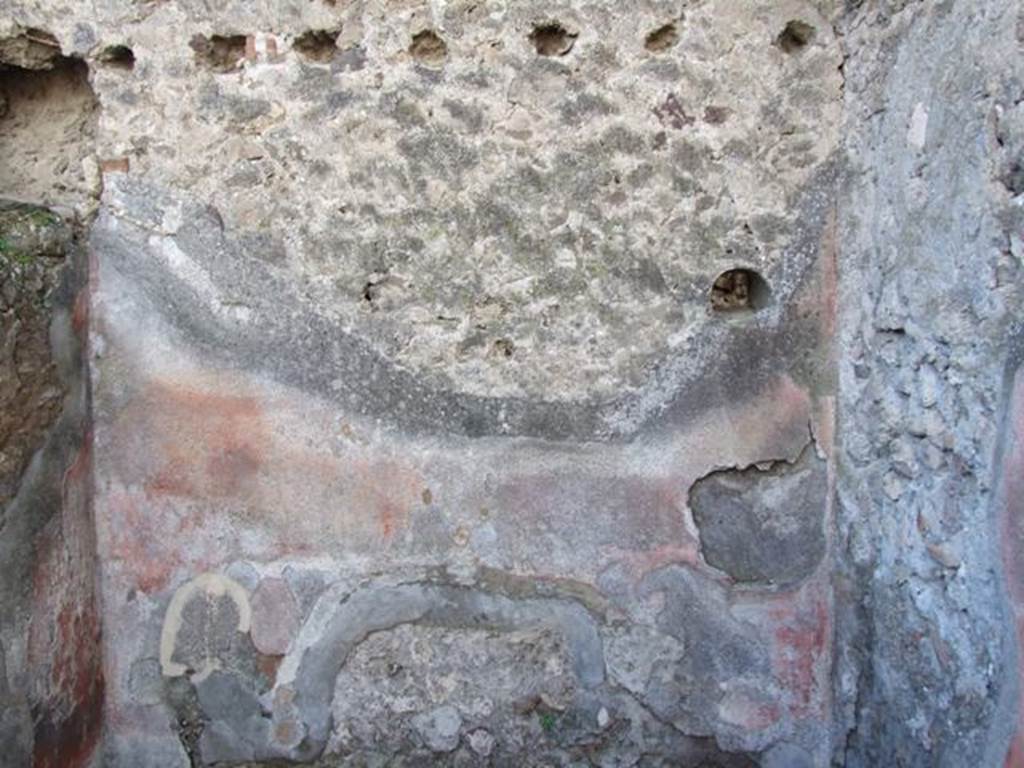
VI.8.20 Pompeii. March 2009. Room 3, west wall.
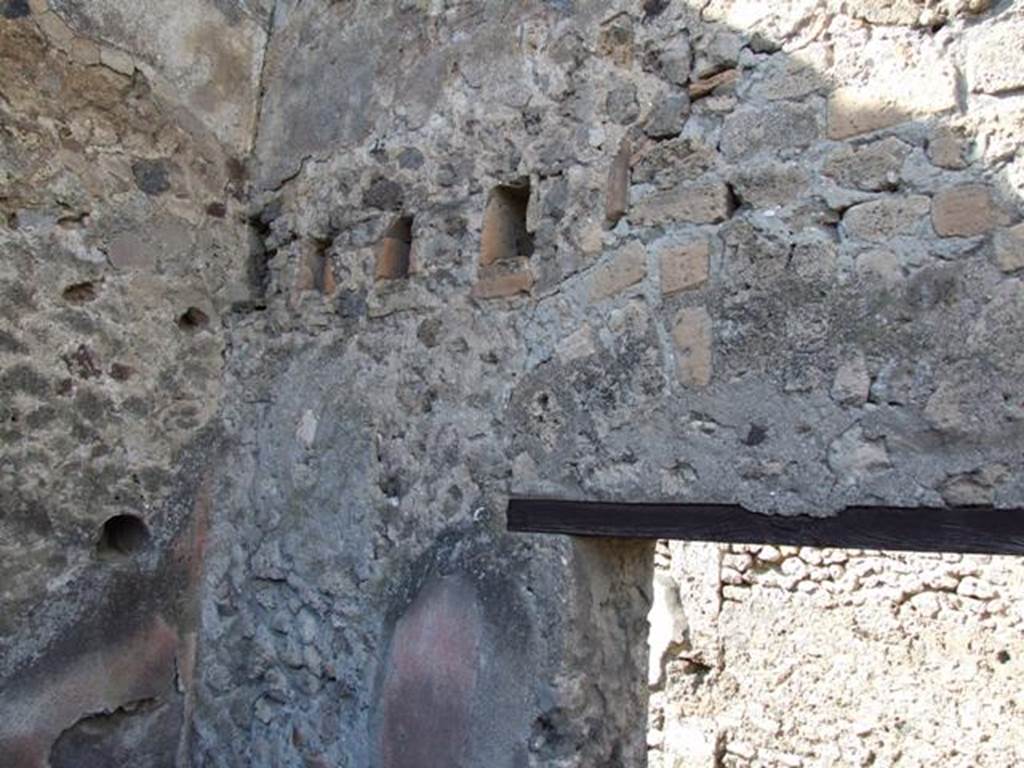
VI.8.20 Pompeii. March 2009. Room 3, north wall.
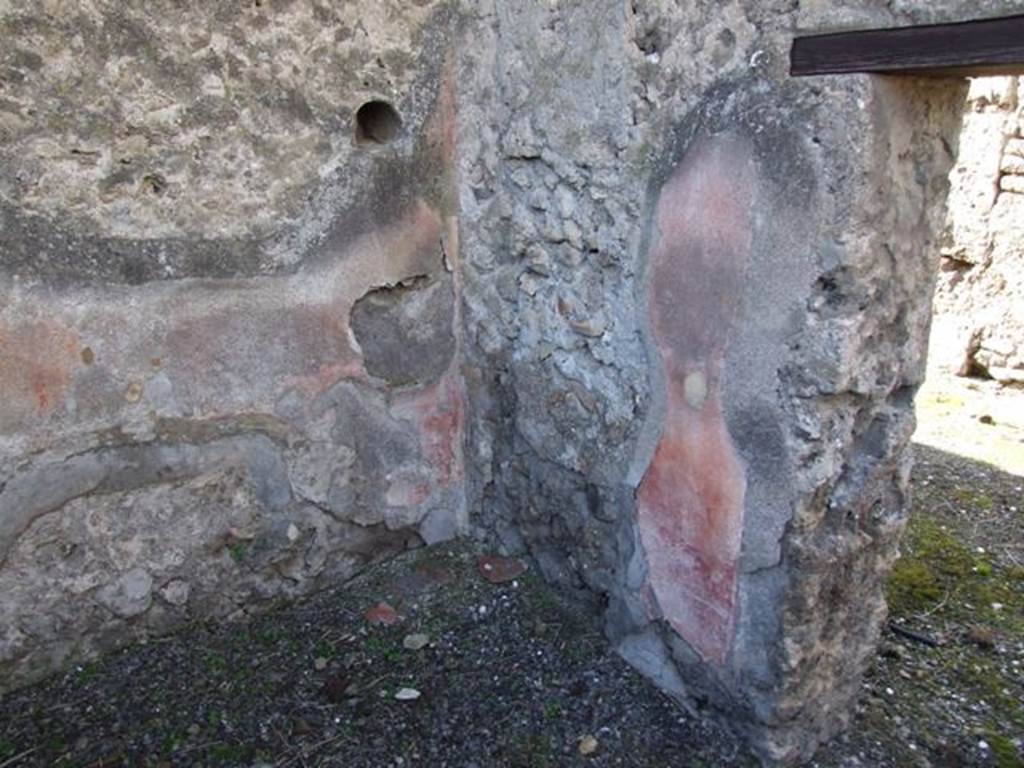
VI.8.20 Pompeii. March 2009. Room 3, north-west corner with door to entrance corridor.
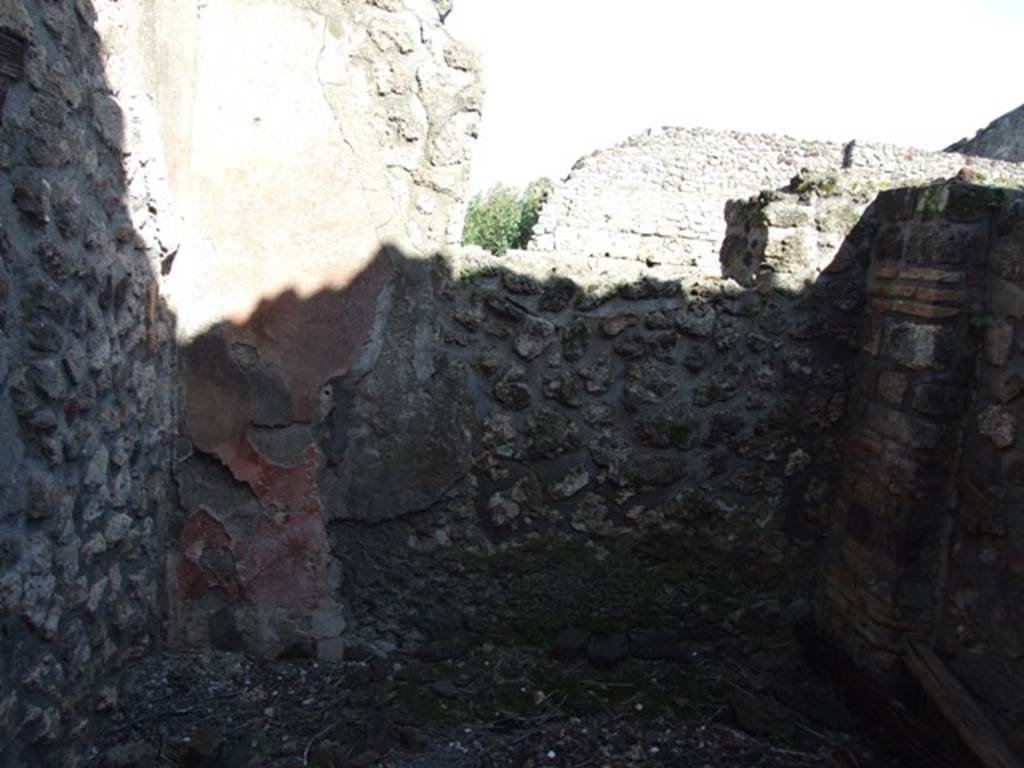
VI.8.20 Pompeii. March 2009. Room 3, east wall.
Part 2 Part 3
Part 4 Part 5 Part 6
Part 7 Plan