II.2.2 Pompeii. House of Loreius Tiburtinus or House of D. Octavius Quartio.
Excavated 1916, 1918, 1921, 1933-35 and 1973. Linked to II.2.5.
(Originally when excavated, this was numbered as Reg. II, Insula 5, no.2).
Part 1 2 3 4 5 6 7 8 9 10 11 12 13 Plan
Entrance
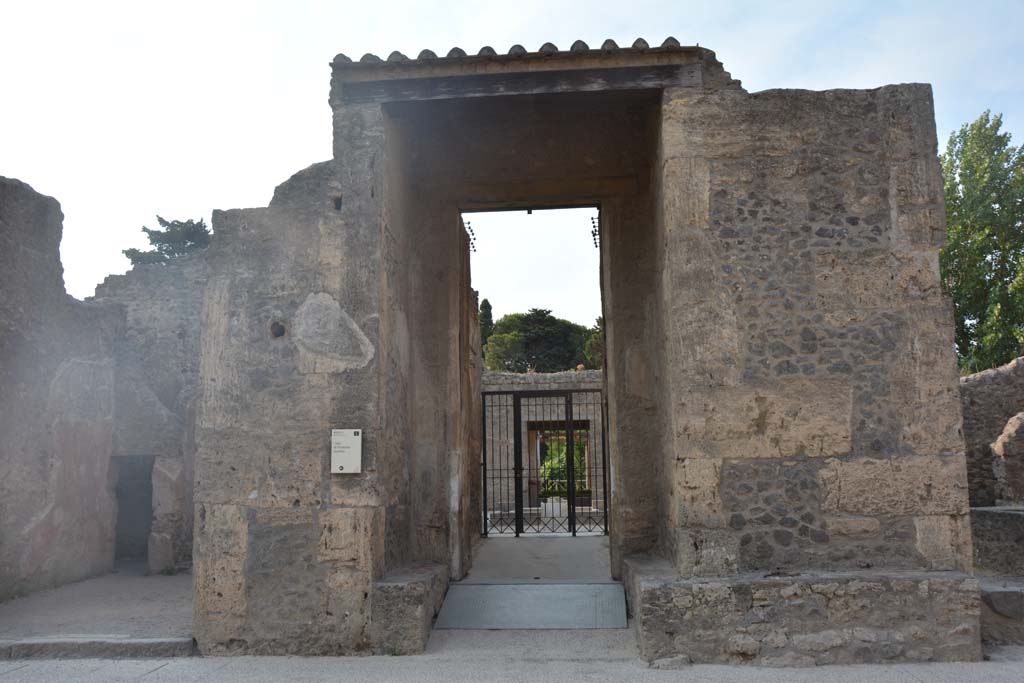
II.2.2 Pompeii. July 2017. Looking
south to entrance doorway on Via dell’Abbondanza.
Foto
Annette Haug, ERC Grant 681269 DÉCOR.
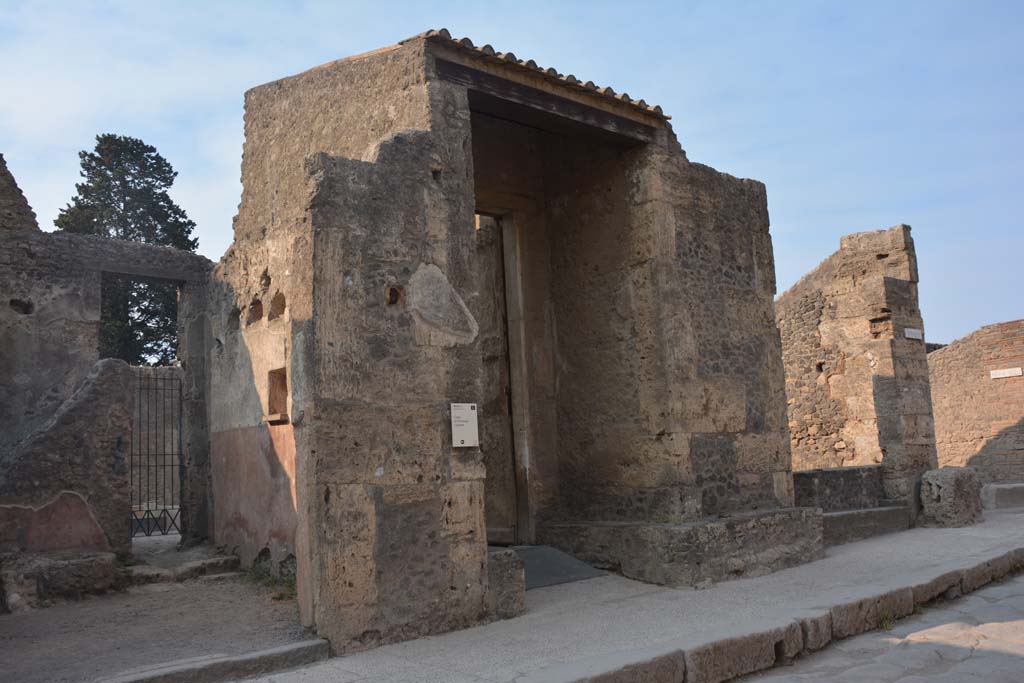
II.2.2
Pompeii. July 2017. Looking south-west from Via dell’Abbondanza, towards
entrance, in centre.
Foto
Annette Haug, ERC Grant 681269 DÉCOR.
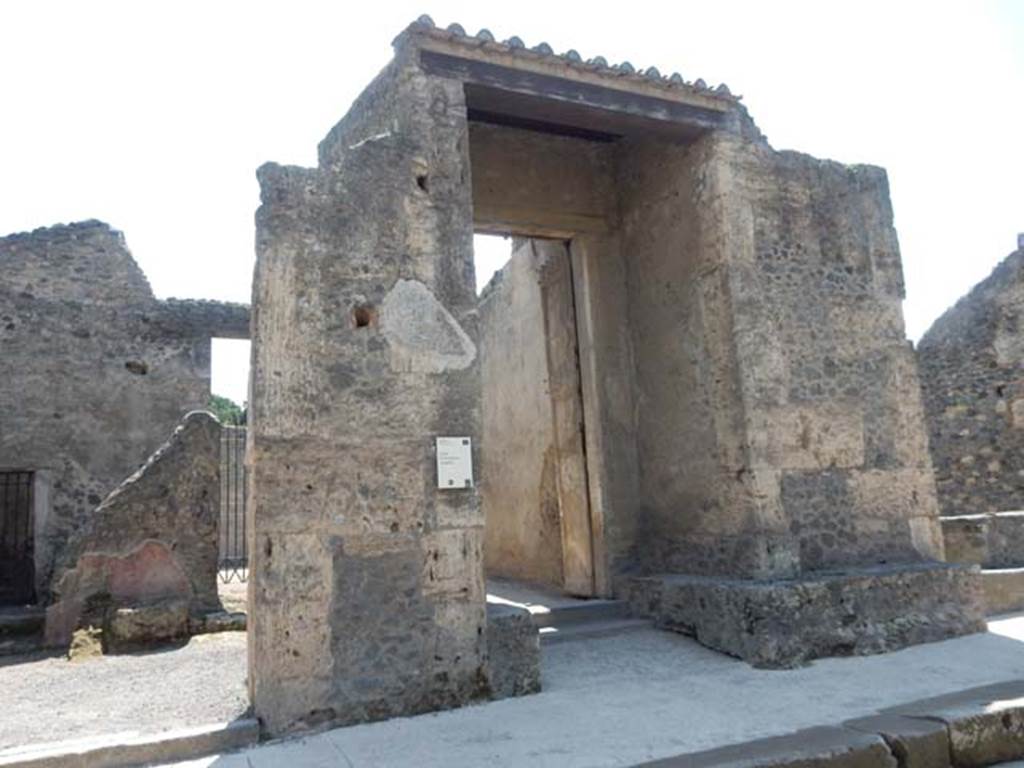
II.2.2 Pompeii. May 2016. Entrance doorway on south side of Via dell’Abbondanza. Photo courtesy of Buzz Ferebee.
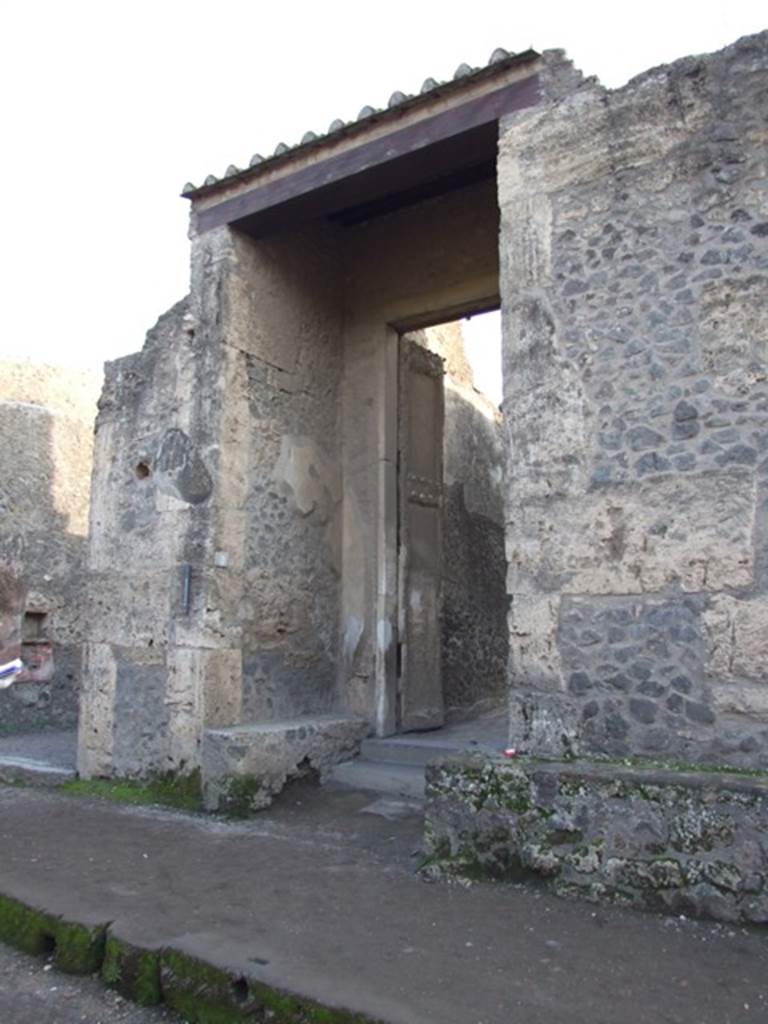
II.2.2 Pompeii. December 2007. Entrance doorway on Via dell’Abbondanza, looking south-east.
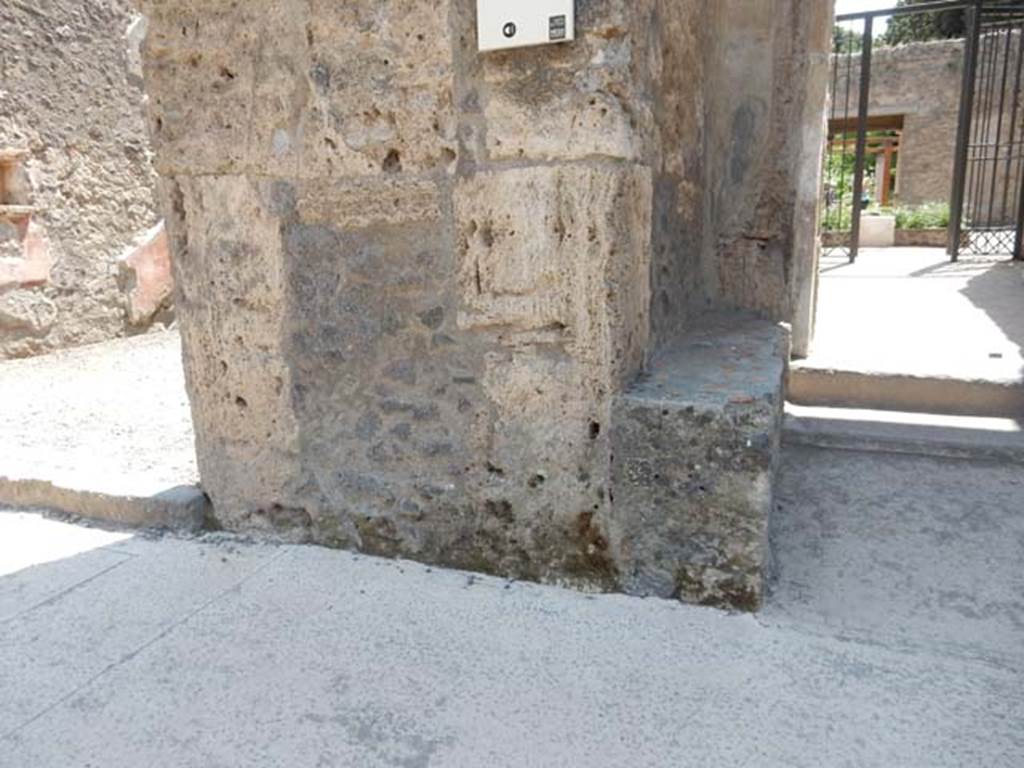
II.2.2 Pompeii. May 2016. Front east façade of entrance doorway. Photo courtesy of Buzz Ferebee.
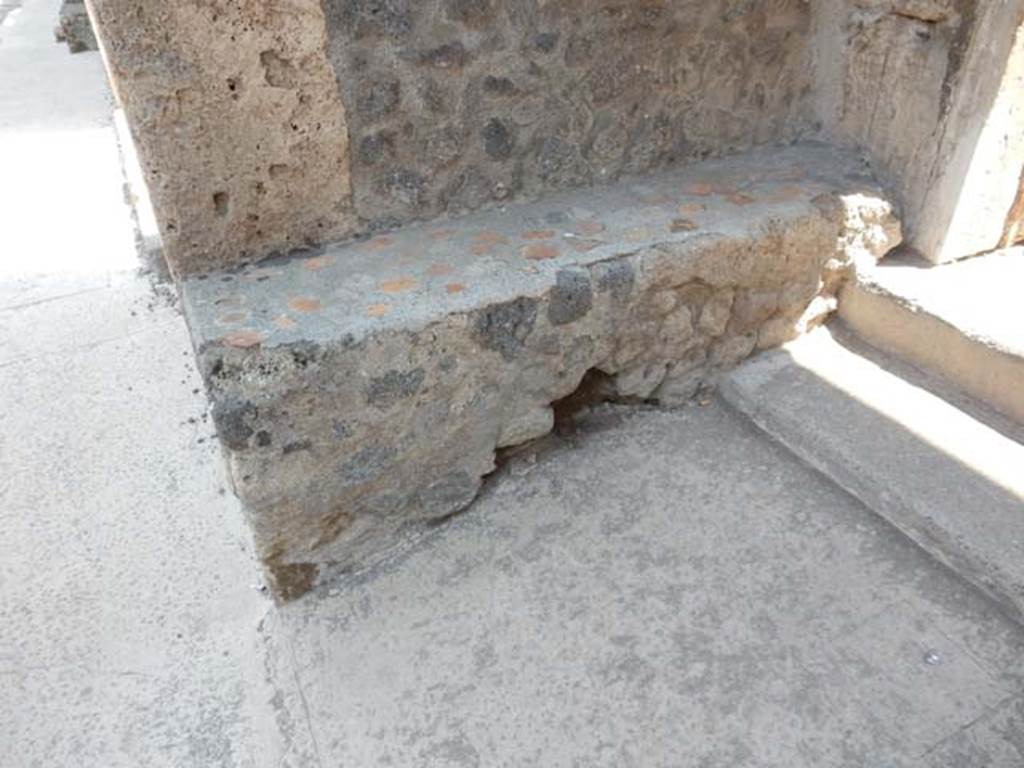
II.2.2 Pompeii. May 2016. Bench on east side of entrance doorway. Photo courtesy of Buzz Ferebee.
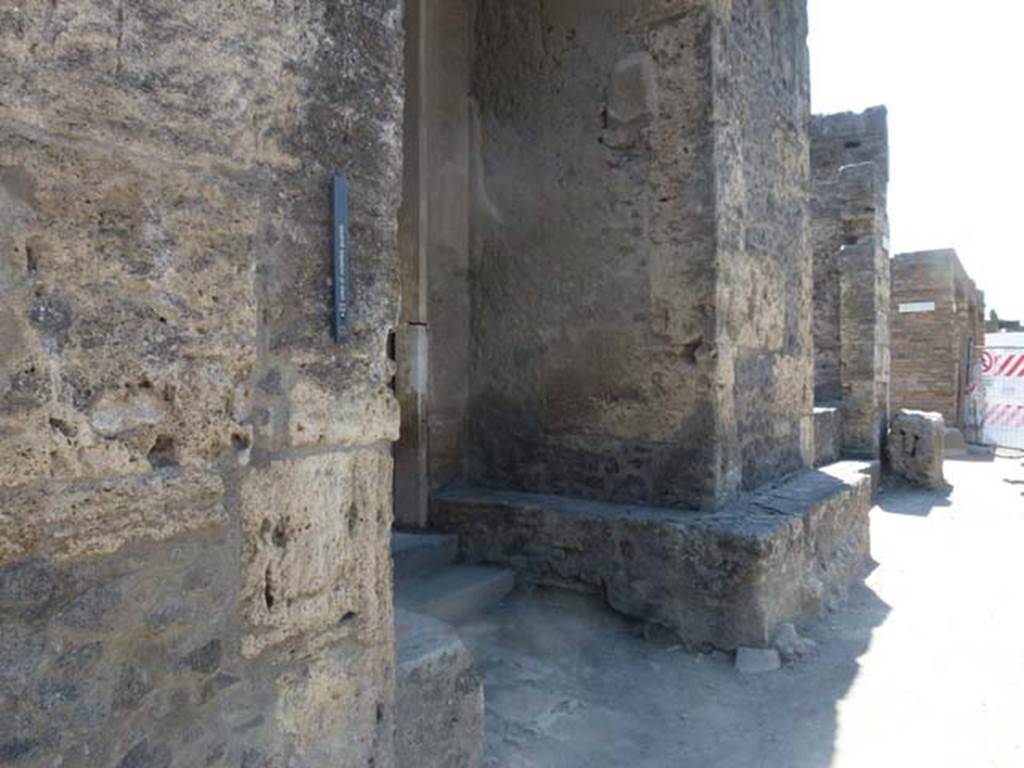
II.2.2 Pompeii. June 2012. Entrance doorway on Via dell’ Abbondanza, looking west. Photo courtesy of Michael Binns.
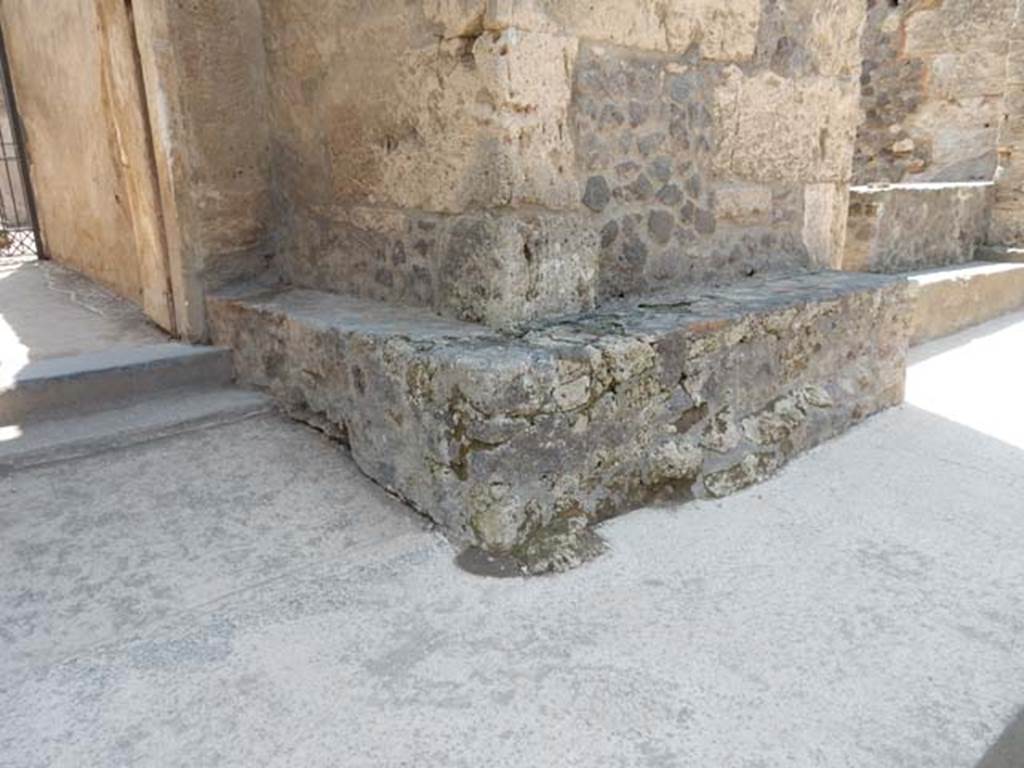
II.2.2 Pompeii. May 2016. Front west façade of entrance doorway. Photo courtesy of Buzz Ferebee.
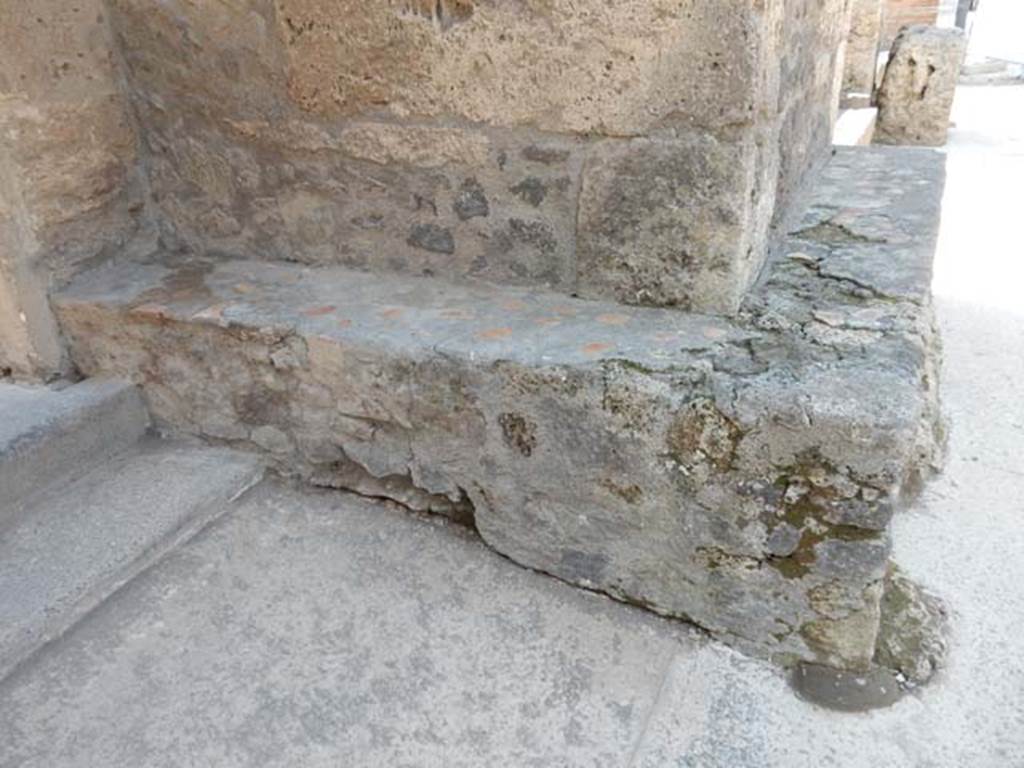
II.2.2 Pompeii. May 2016. Bench on west side of entrance doorway. Photo courtesy of Buzz Ferebee.
Room 1, Vestibule/fauces
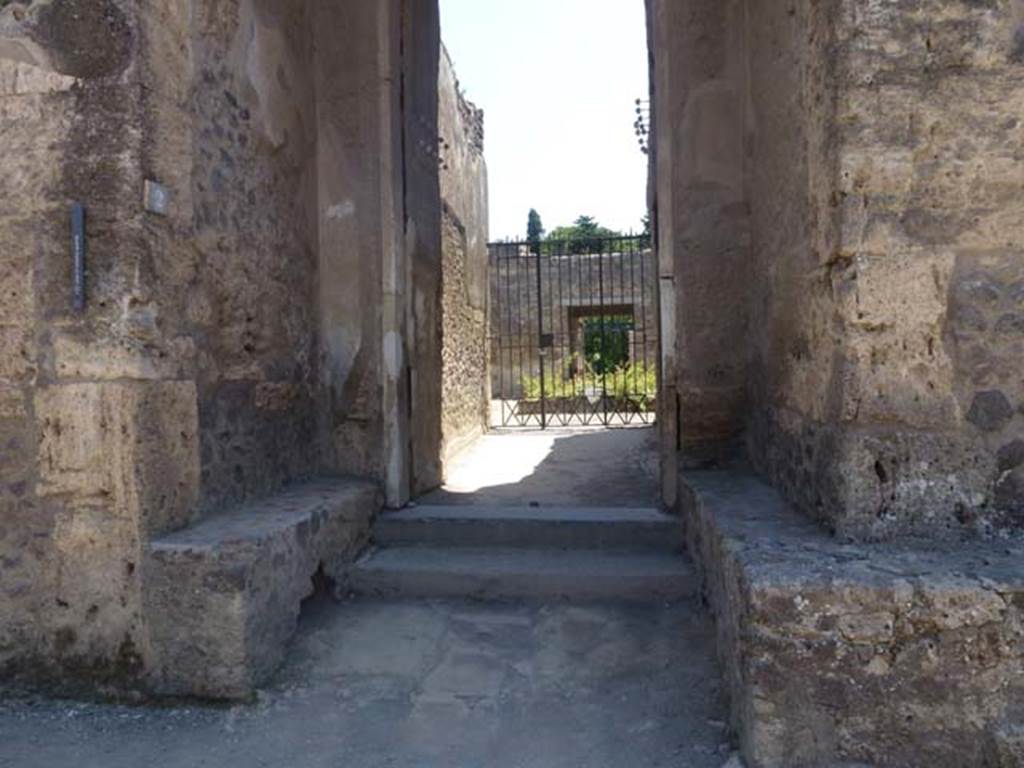
II.2.2 Pompeii. June 2012.
Looking south towards entrance vestibule 1 and corridor, with benches on either side. Photo courtesy of Michael Binns.
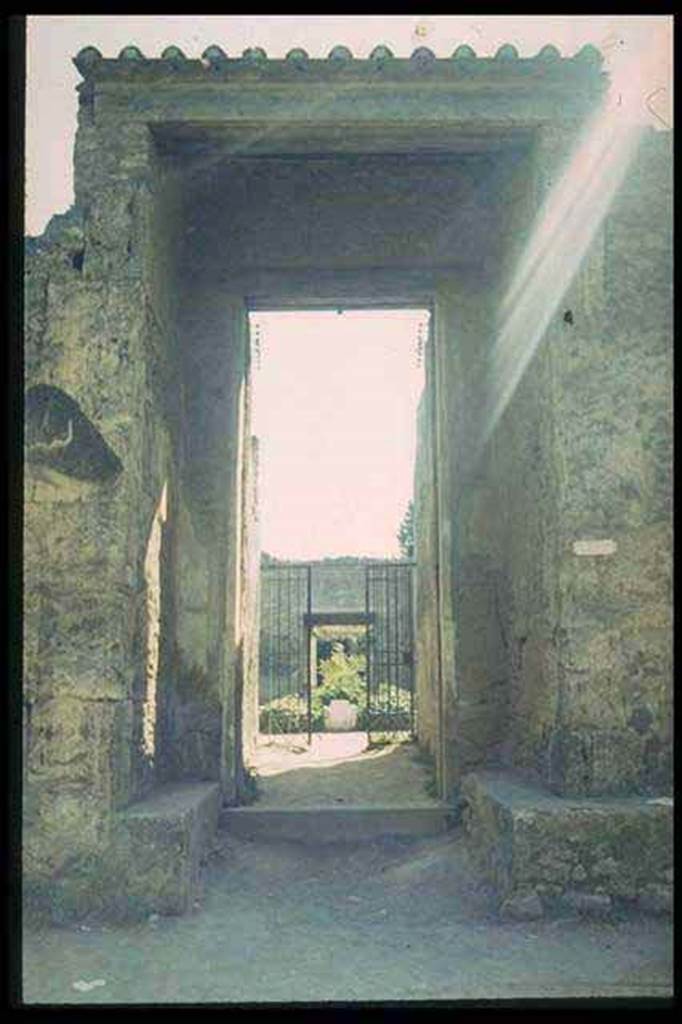
II.2.2 Pompeii. Entrance doorway.
Photographed 1970-79 by Günther Einhorn, picture courtesy of his son Ralf Einhorn.
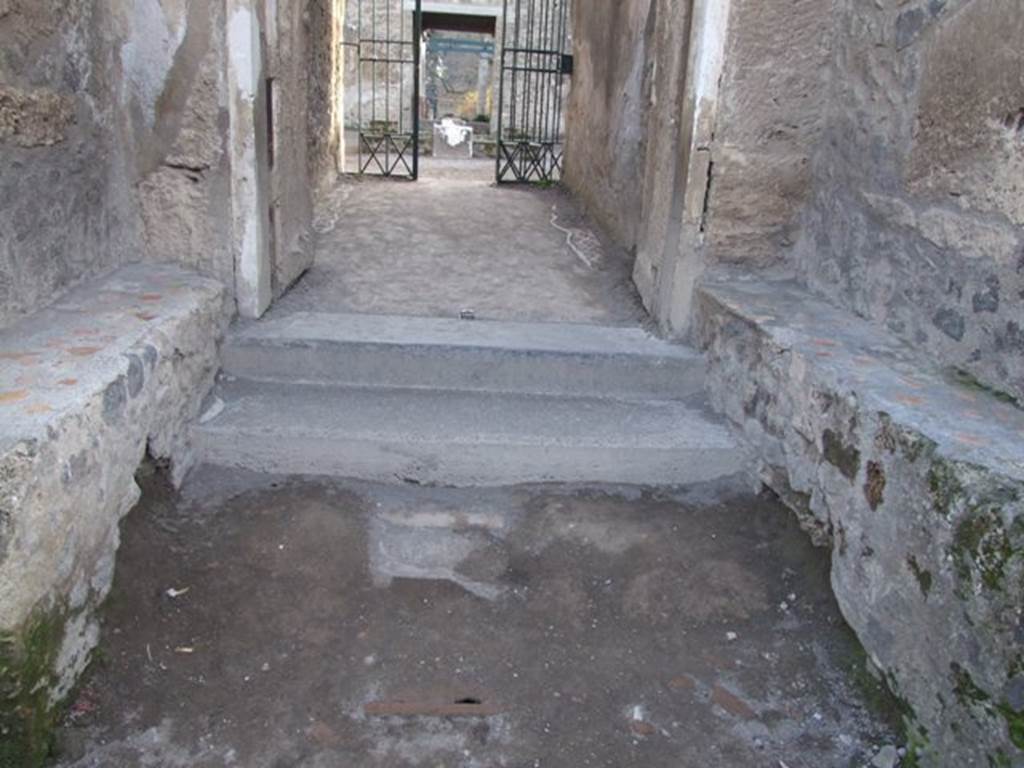
II.2.2 Pompeii. December 2007. Entrance vestibule 1 with benches on either side.
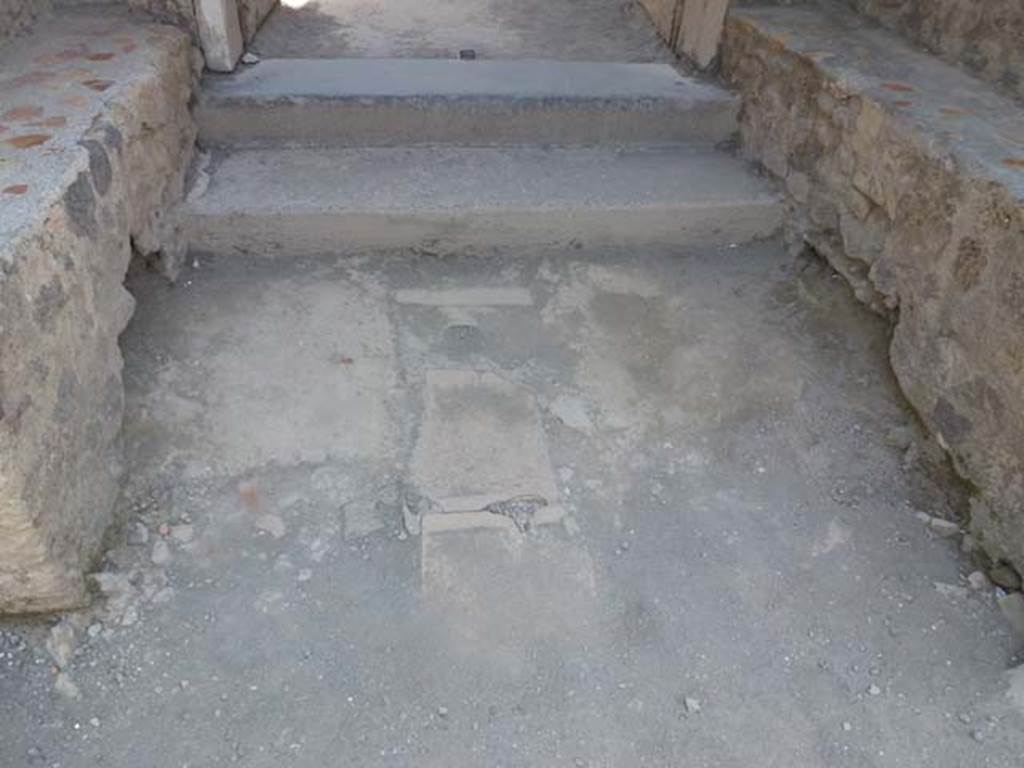
II.2.2 Pompeii. June 2012. Floor of vestibule 1 and steps to entrance fauces/corridor. Photo courtesy of Michael Binns.
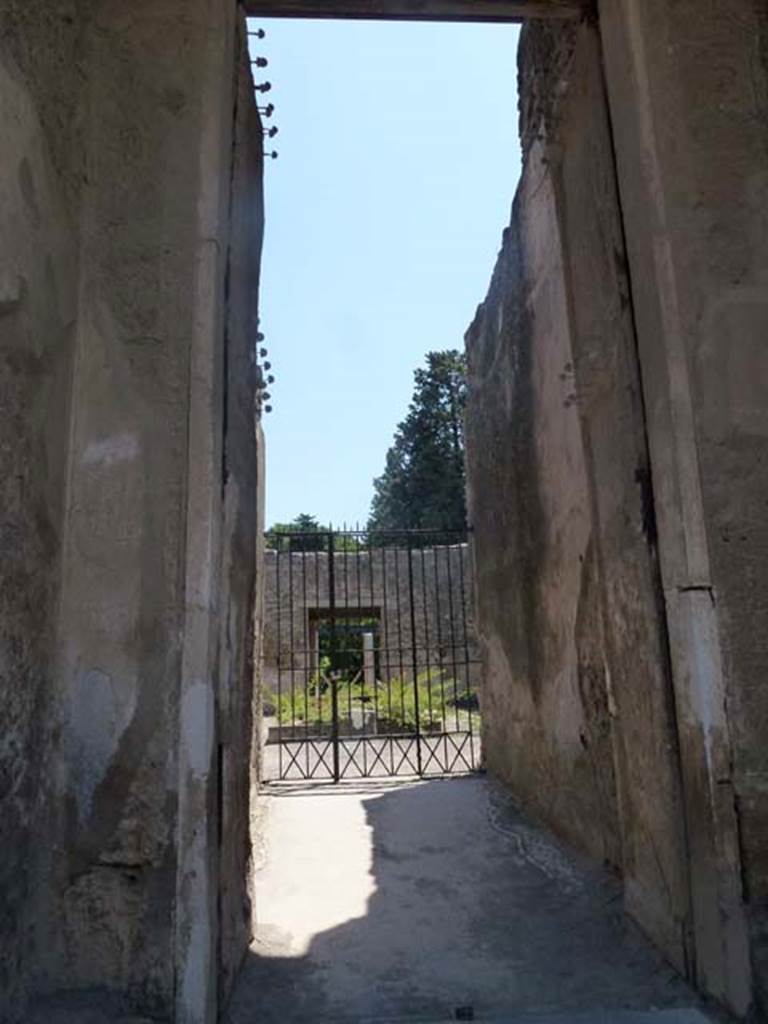
II.2.2 Pompeii. June 2012.
Looking south across entrance corridor 1 into atrium 2. Photo courtesy of Michael Binns.
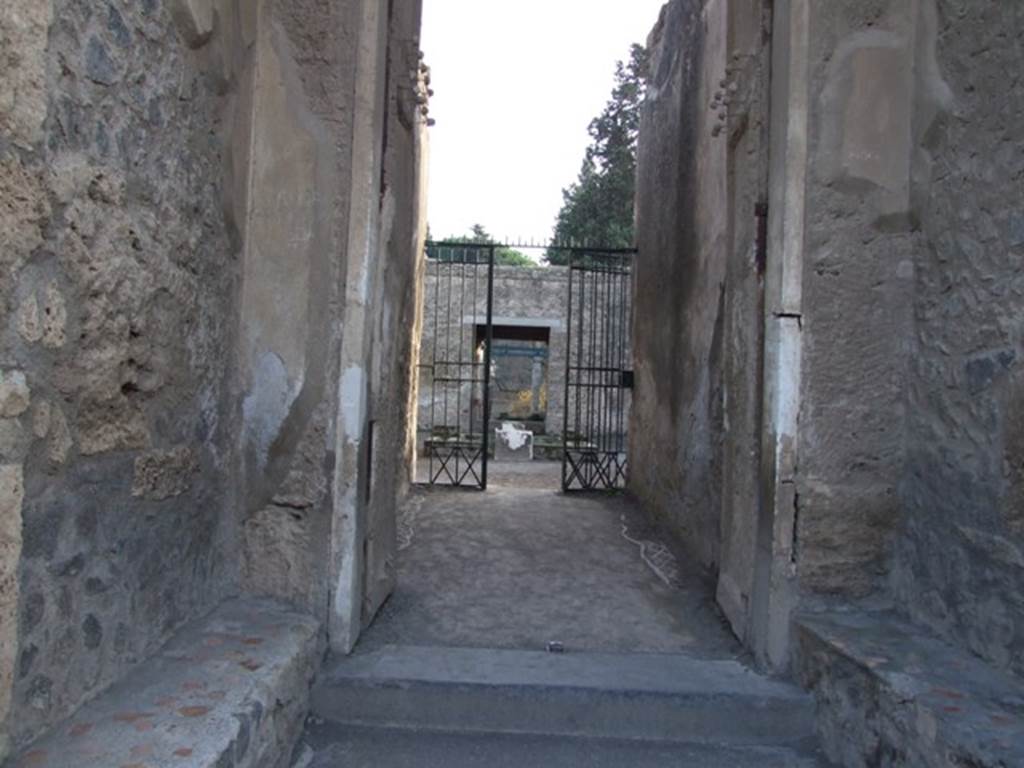
II.2.2 Pompeii. December 2007. Looking through fauces/corridor 1 towards atrium 2.
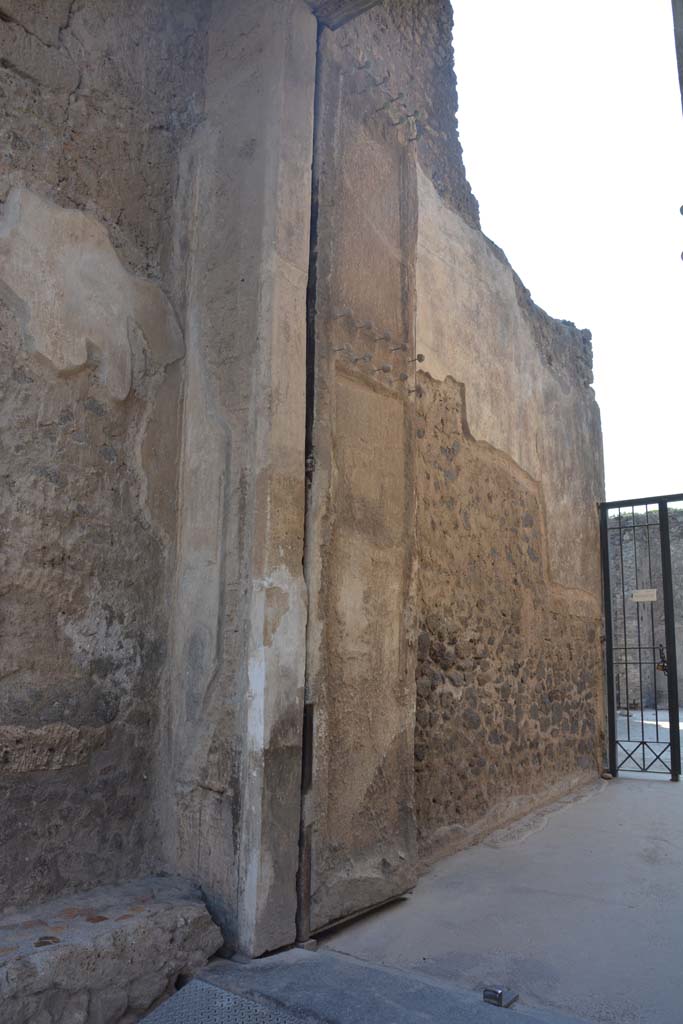
II.2.2 Pompeii. July 2017.
Looking towards
east side of entrance doorway, with plaster cast of the door shutters.
Foto Annette Haug, ERC Grant 681269 DÉCOR.
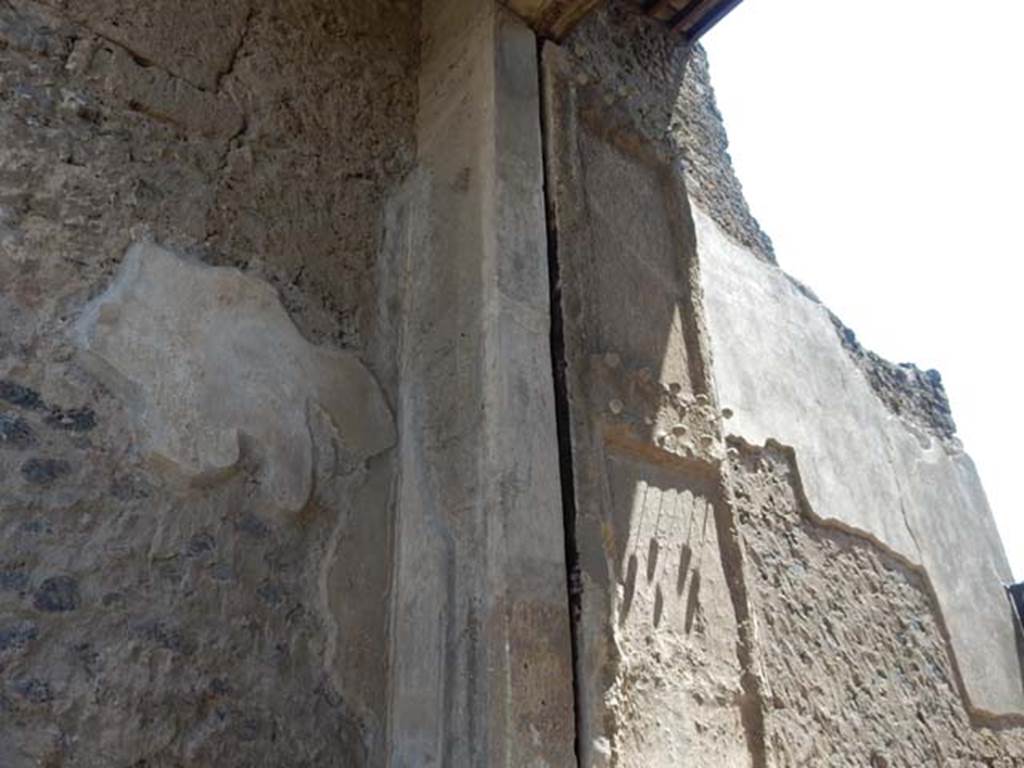
II.2.2 Pompeii. May 2016.
East side of entrance doorway, with plaster cast of the shutters of the entrance doorway. Photo courtesy of Buzz Ferebee.
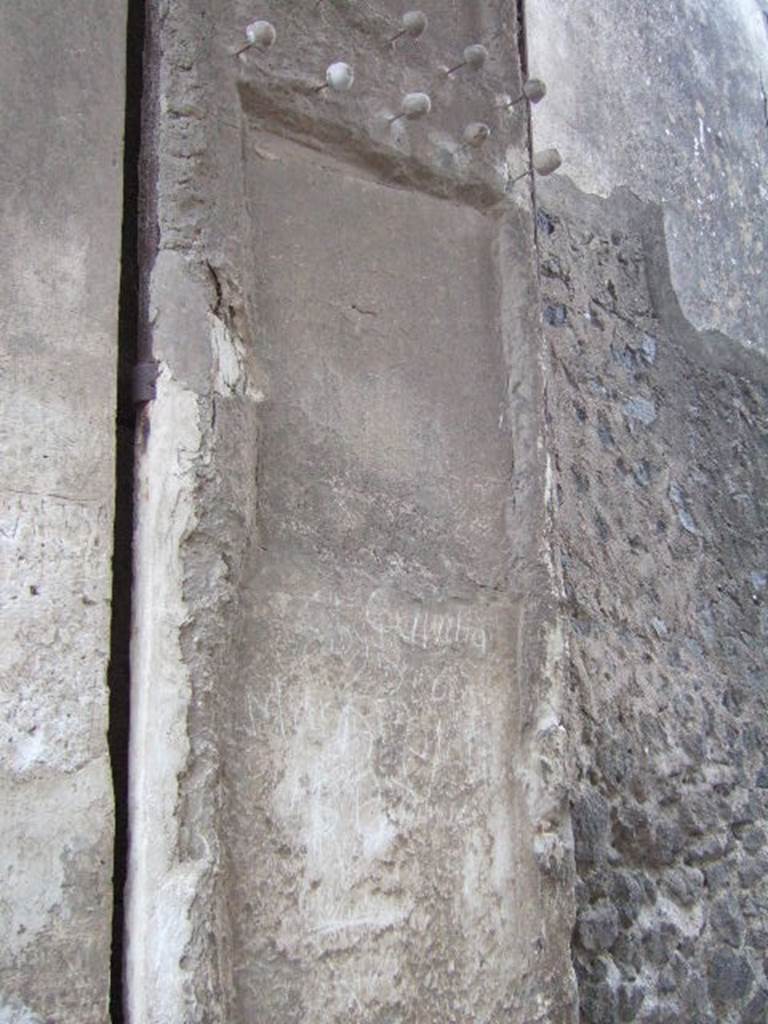
II.2.2 Pompeii. December 2005. Cast of doorway shutter on east side.
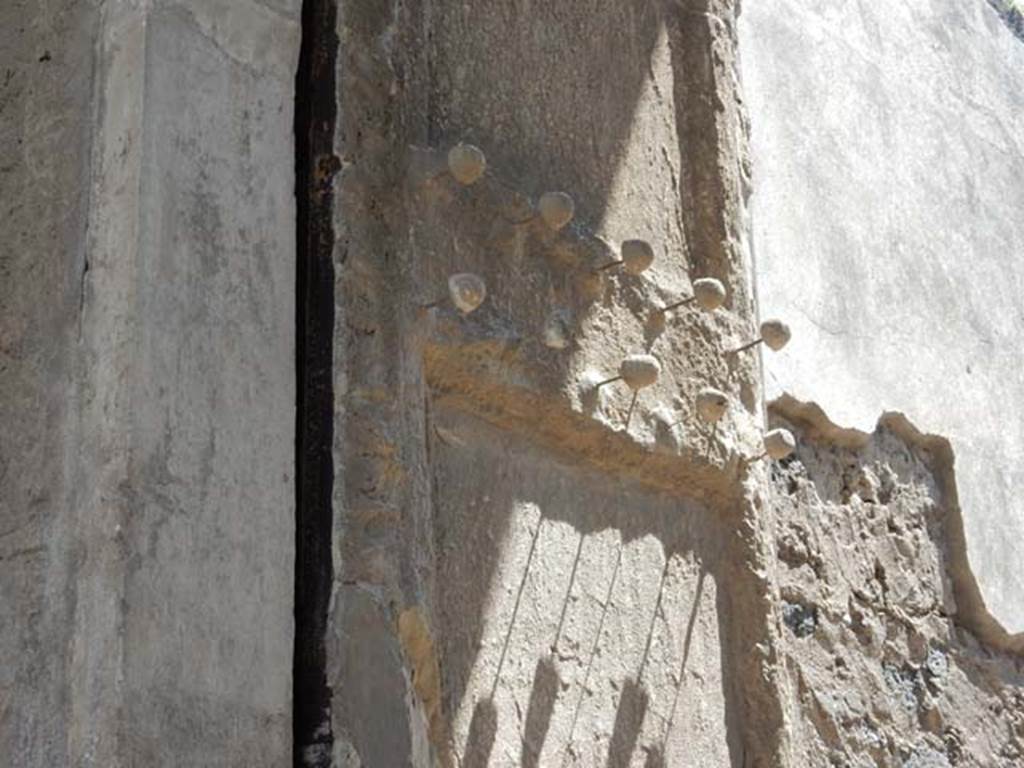
II.2.2 Pompeii. May 2016. Detail from plaster cast of doorway shutter on east side.
The shutter was decorated with protruding studs of bronze and iron. Photo courtesy of Buzz Ferebee.
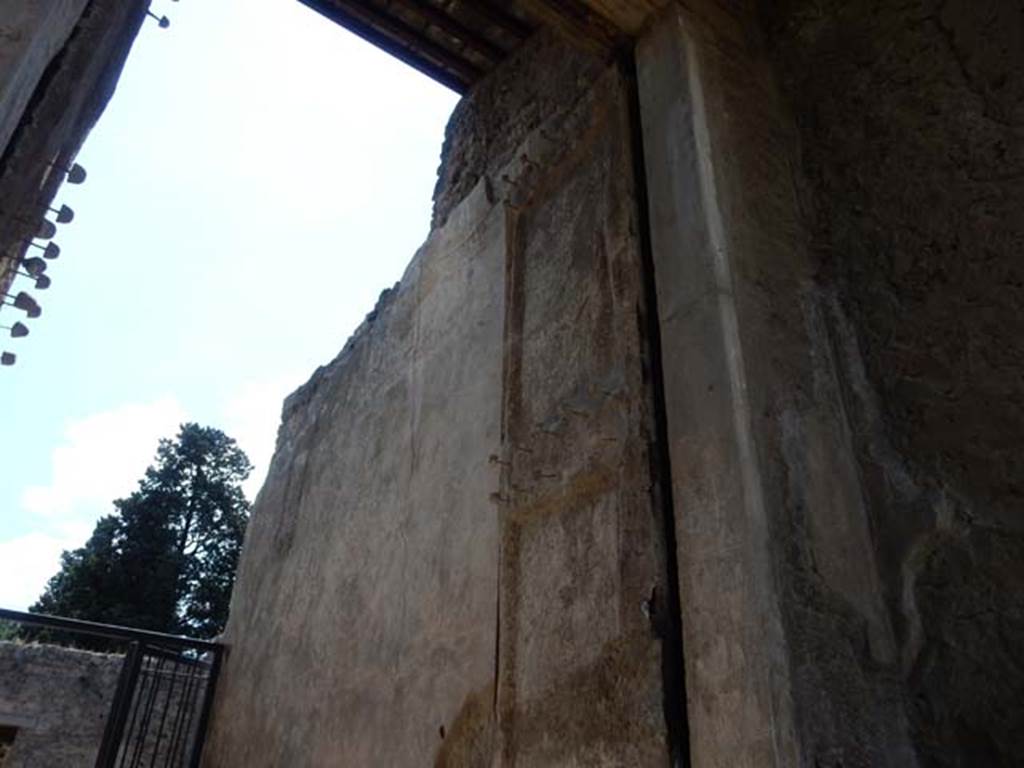
II.2.2 Pompeii. May 2016. West side of entrance doorway with plaster cast of doorway shutter. Photo courtesy of Buzz Ferebee.
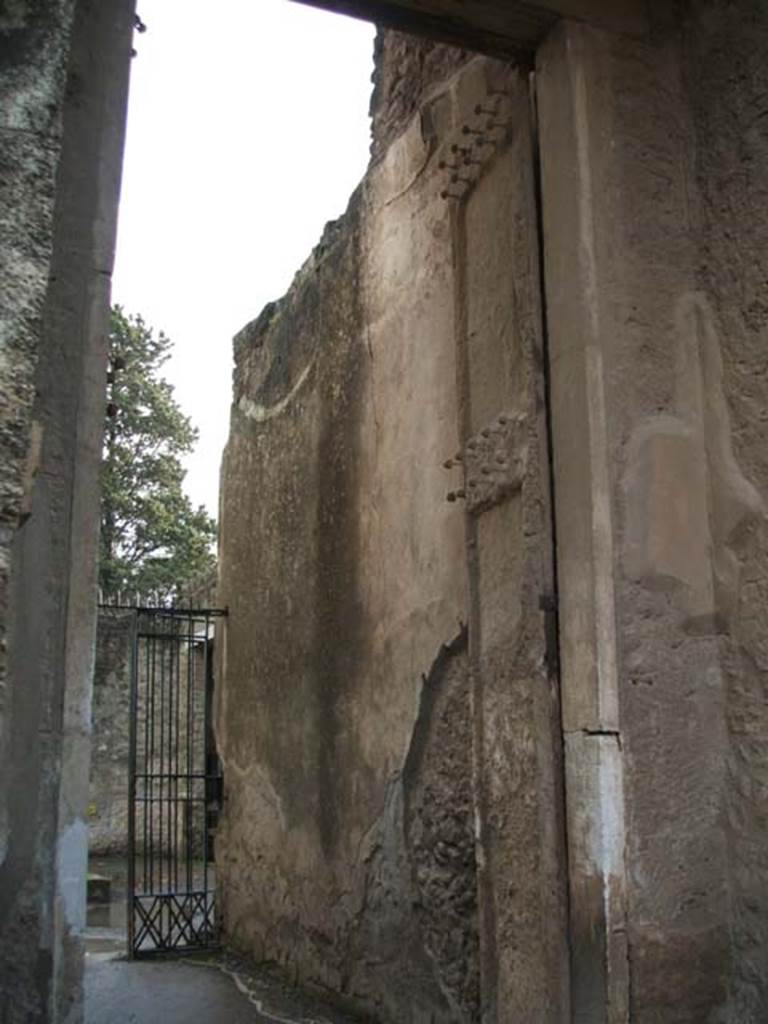
II.2.2 Pompeii. December 2004.
West side of entrance corridor/fauces 1, and plaster cast of door shutter.
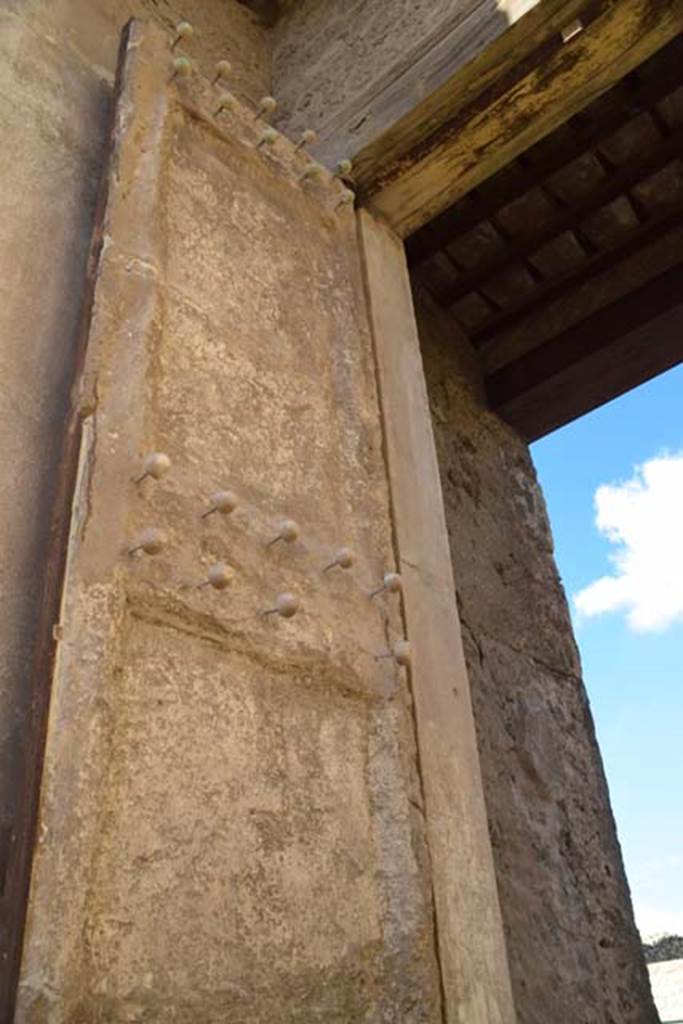
II 2 2 Pompeii. November 2016.
Cast of doorway shutter on west side. Photo courtesy of Marie Schulze.
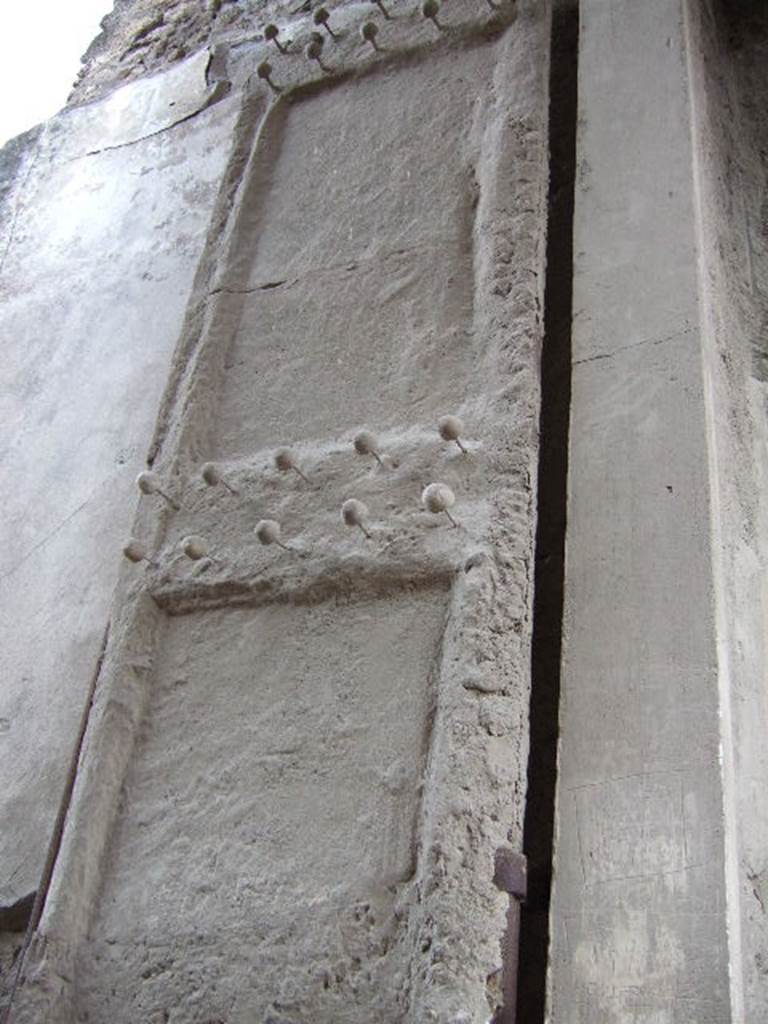
II.2.2 Pompeii. December 2005. Cast of doorway shutter on west side with studs.
Both shutters were decorated with protruding studs of bronze and iron.
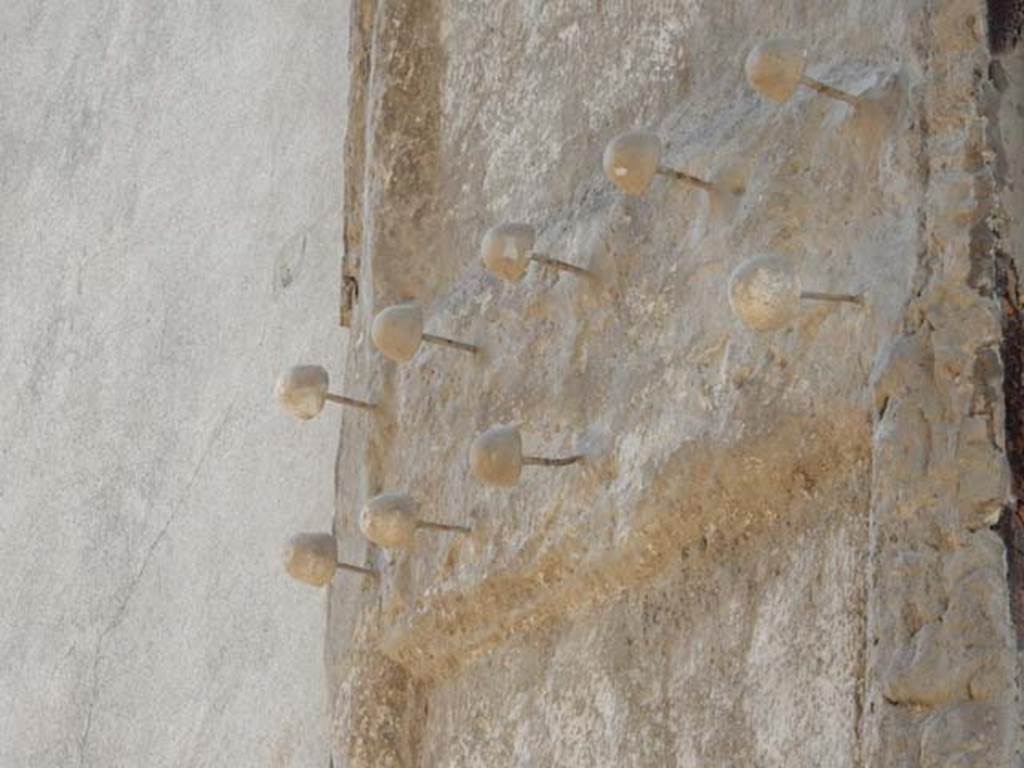
II.2.2 Pompeii. May 2016. Detail of studs from plaster cast on west side. Photo courtesy of Buzz Ferebee.
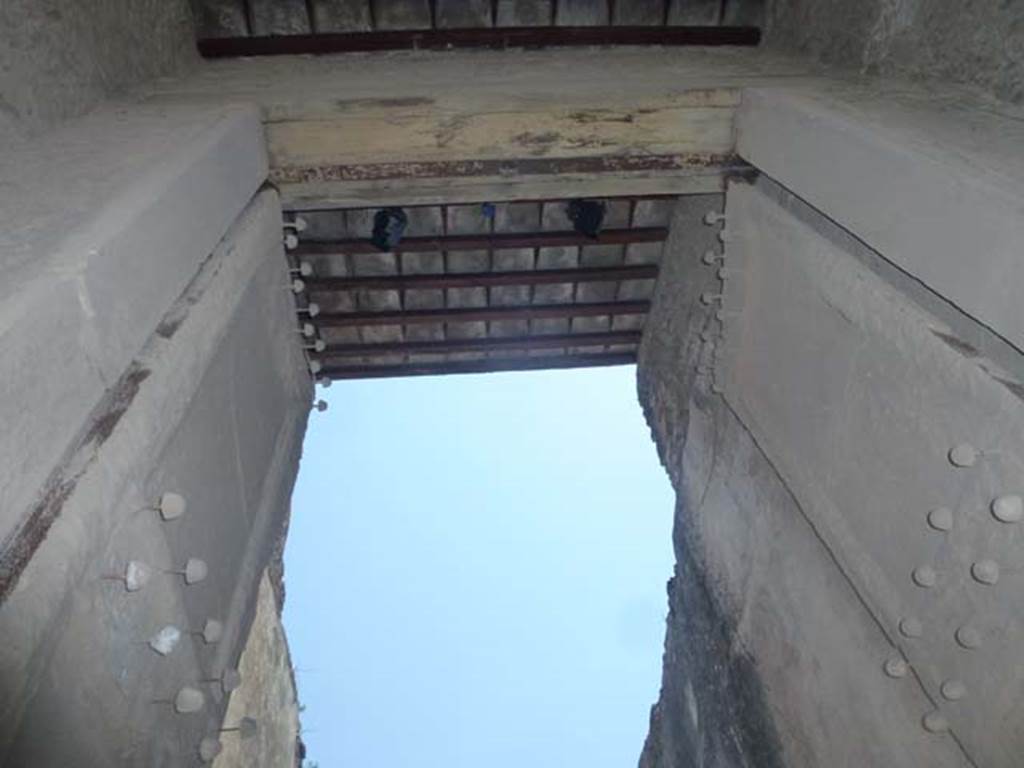
II.2.2 Pompeii. June 2012. Casts of doors at entrance doorway. Photo courtesy of Michael Binns.
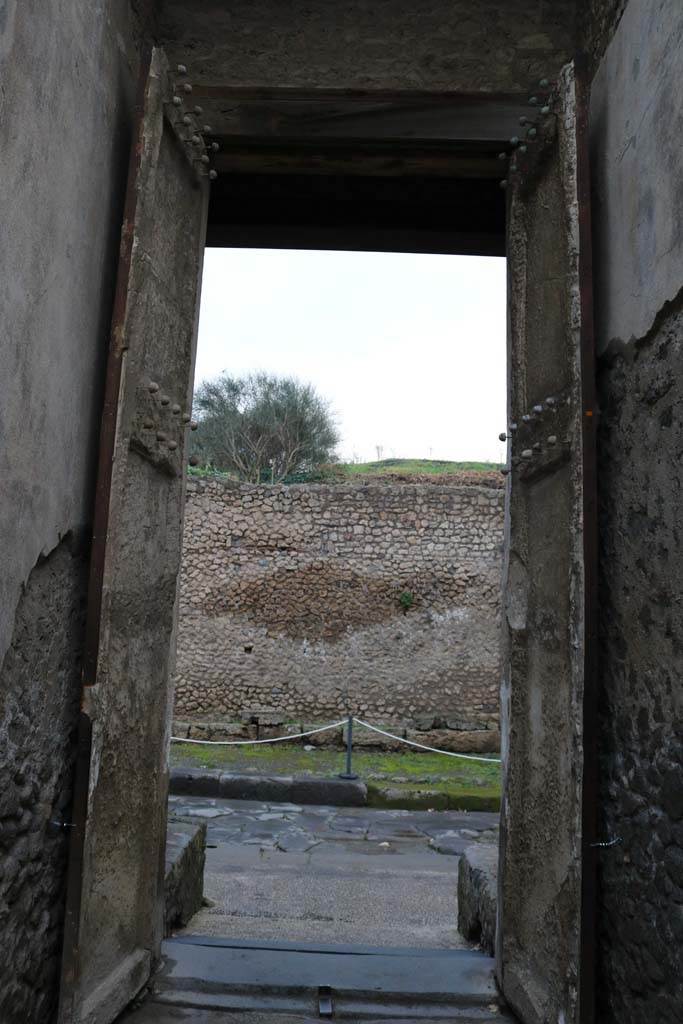
II.2.2 Pompeii. December 2018.
Looking north towards rear of doors leading onto Via dell’Abbondanza.
Photo
courtesy of Aude Durand.
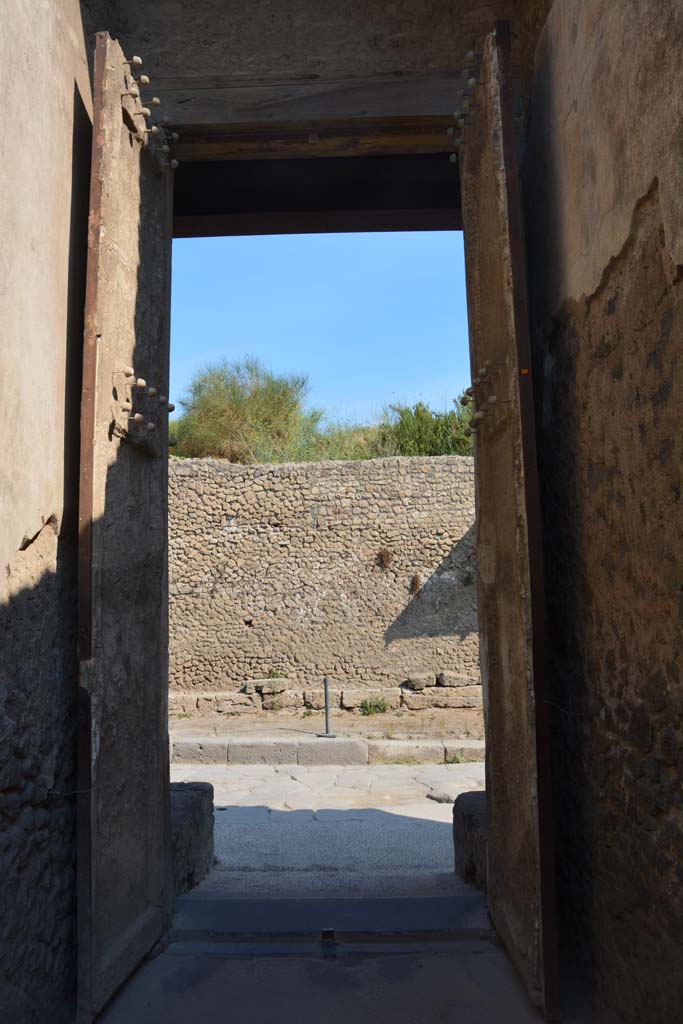
II.2.2 Pompeii. July 2017.
Looking north through entrance doorway towards Via
dell’Abbondanza.
Foto Annette Haug, ERC Grant 681269 DÉCOR.
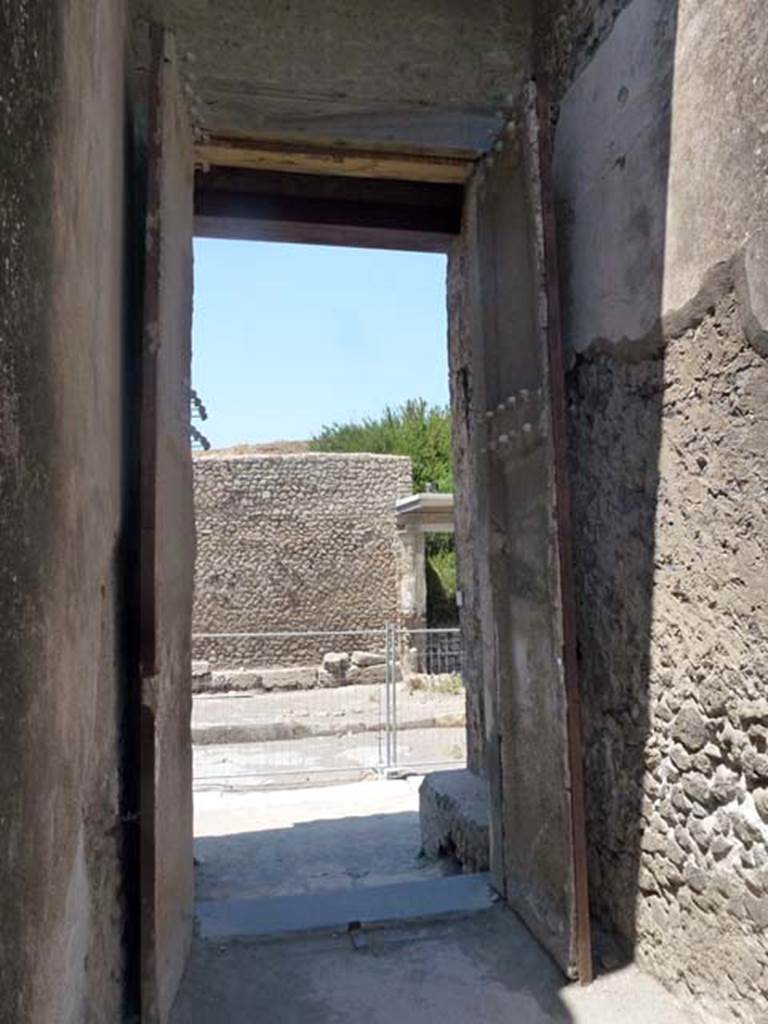
II.2.2 Pompeii. June 2012.
Looking north along entrance corridor 1 towards rear of doors leading onto Via dell’Abbondanza.
Photo courtesy of Michael Binns.
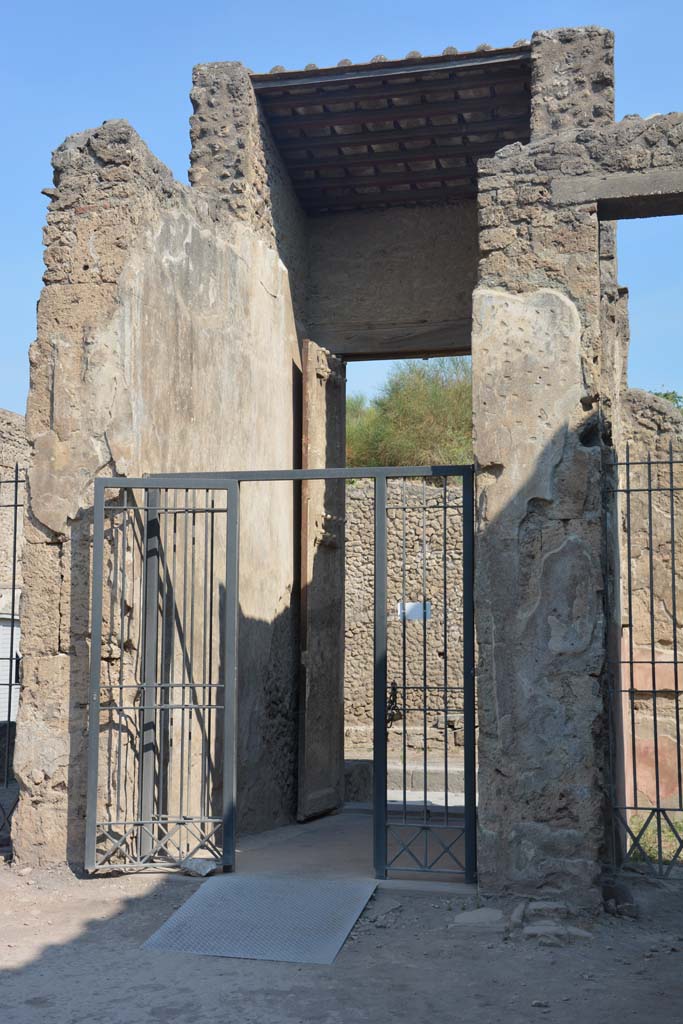
II.2.2 Pompeii. July 2017. Looking
north from atrium towards west side of entrance corridor.
Foto
Annette Haug, ERC Grant 681269 DÉCOR.
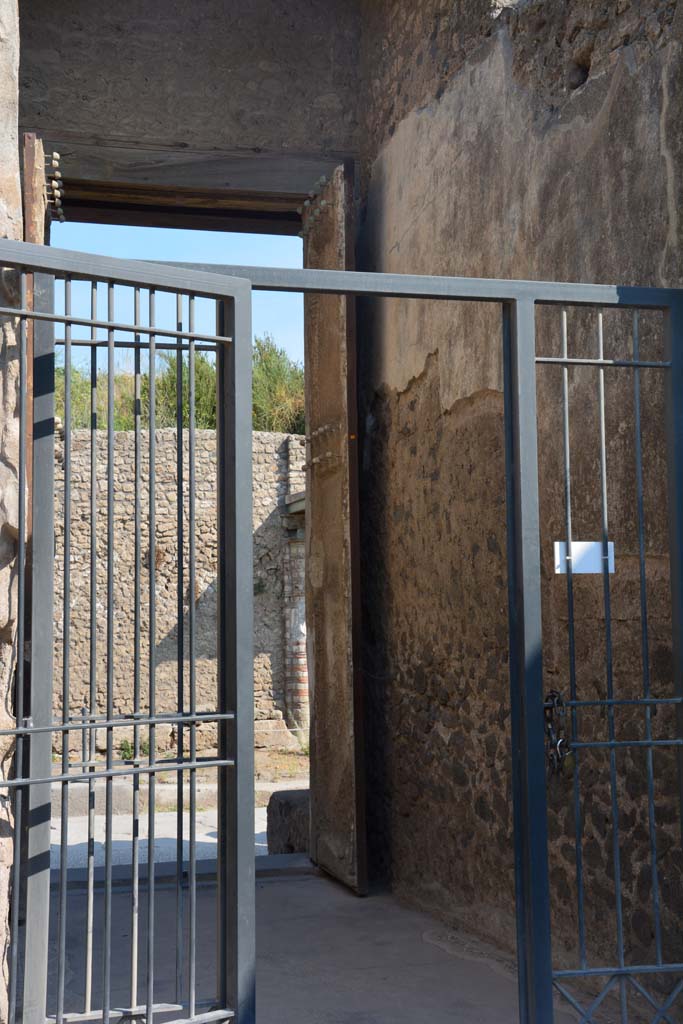
II.2.2
Pompeii. July 2017. Looking north from atrium towards east side of entrance
corridor.
Foto Annette Haug, ERC Grant 681269 DÉCOR.
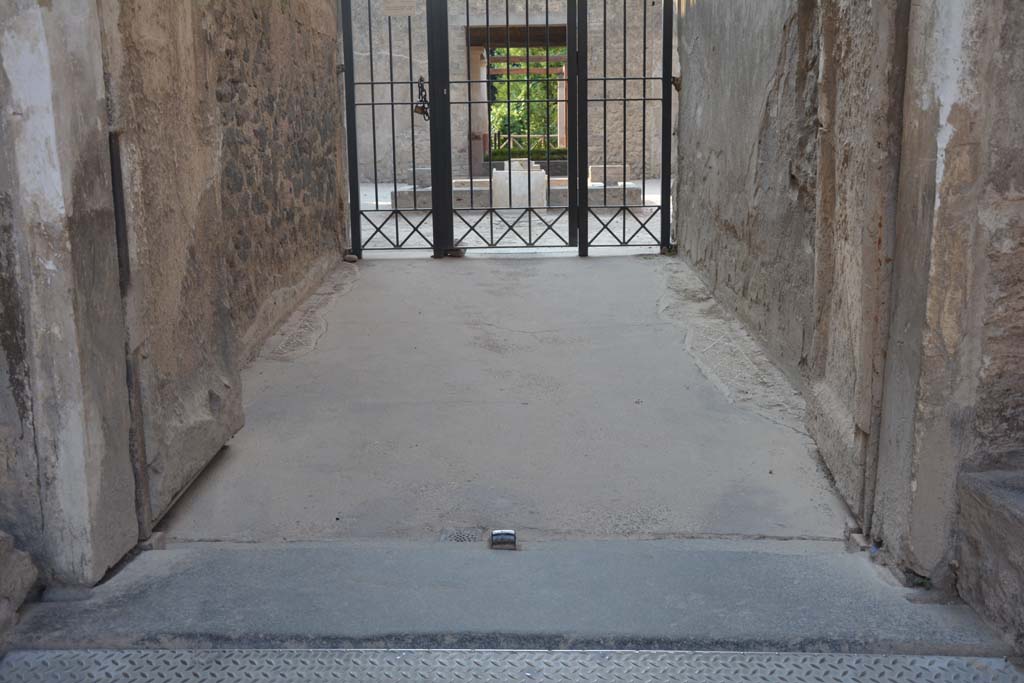
II.2.2 Pompeii. July 2017. Looking
south from doorway along entrance corridor 1 towards atrium.
Foto Annette Haug, ERC Grant 681269 DÉCOR.
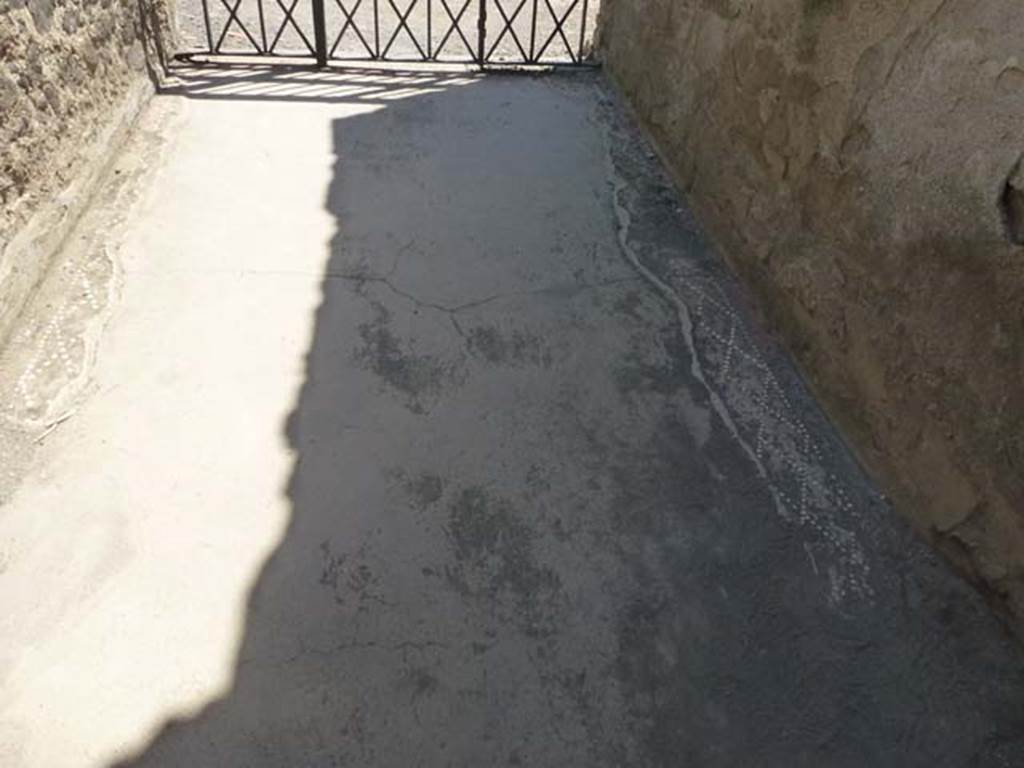
II.2.2 Pompeii. June 2012.
Floor of entrance corridor 1, with remains of pattern with “net” design in small white stones. Photo courtesy of Michael Binns.
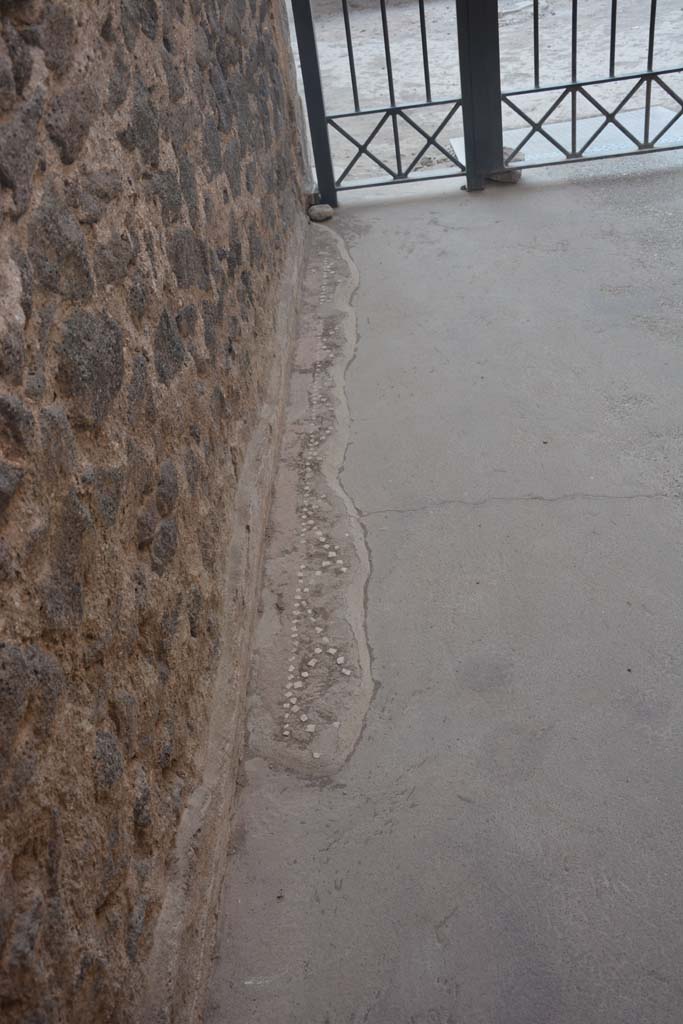
II.2.2 Pompeii. July 2017. Entrance corridor/fauces 1, detail of
remaining pattern on east side.
Foto Annette Haug, ERC Grant 681269 DÉCOR.
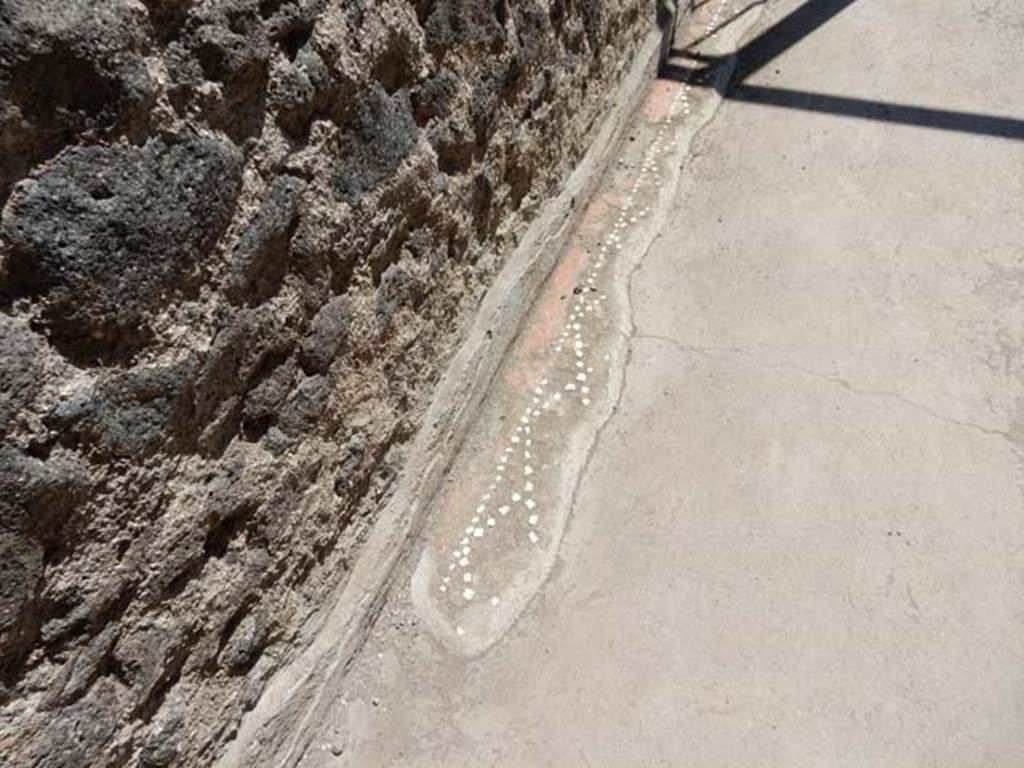
II.2.2 Pompeii. May 2016. Detail of remaining pattern in floor of entrance corridor/fauces 1. Photo courtesy of Buzz Ferebee.
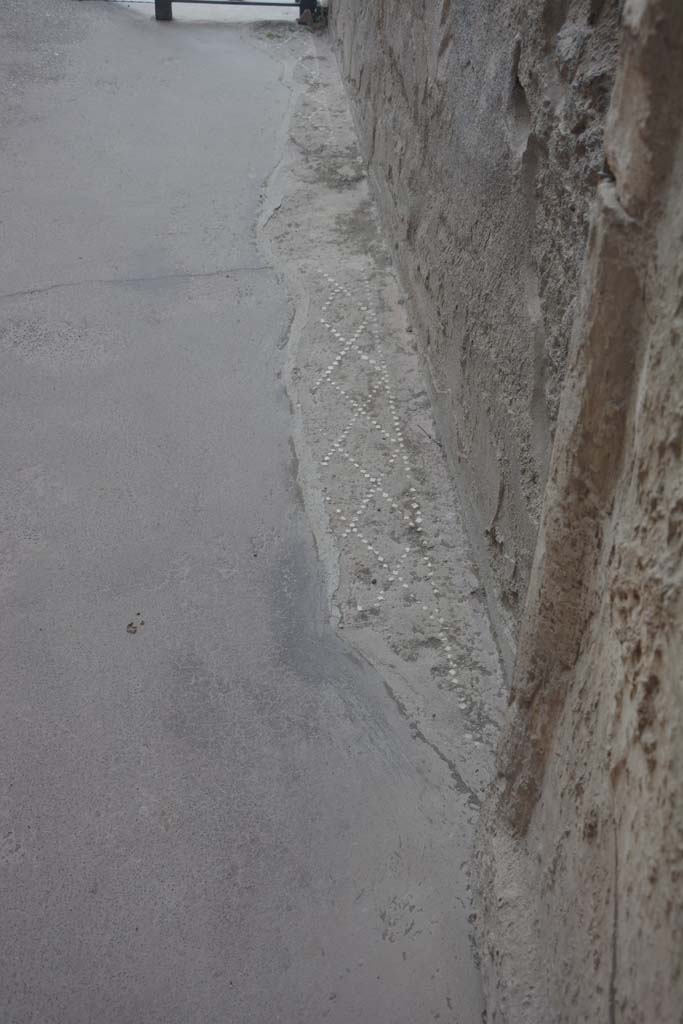
Entrance corridor/fauces 1, looking south
along remaining pattern on west side.
Foto Annette Haug, ERC Grant 681269 DÉCOR.
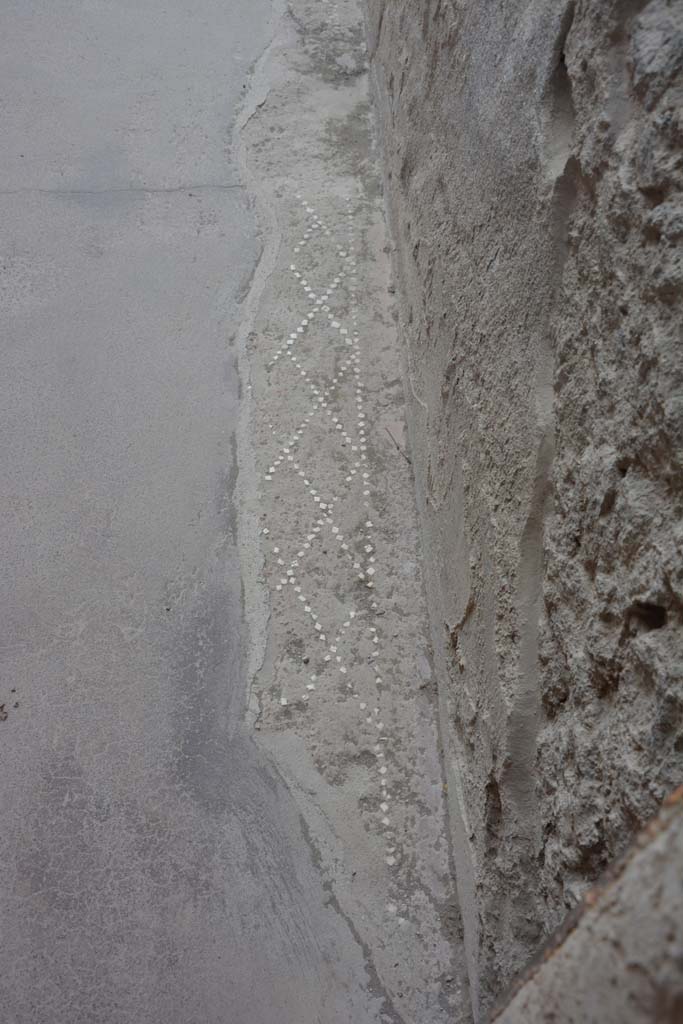
II.2.2
Pompeii. July 2017. Entrance corridor/fauces 1, detail
of remaining pattern on west side.
Foto
Annette Haug, ERC Grant 681269 DÉCOR.
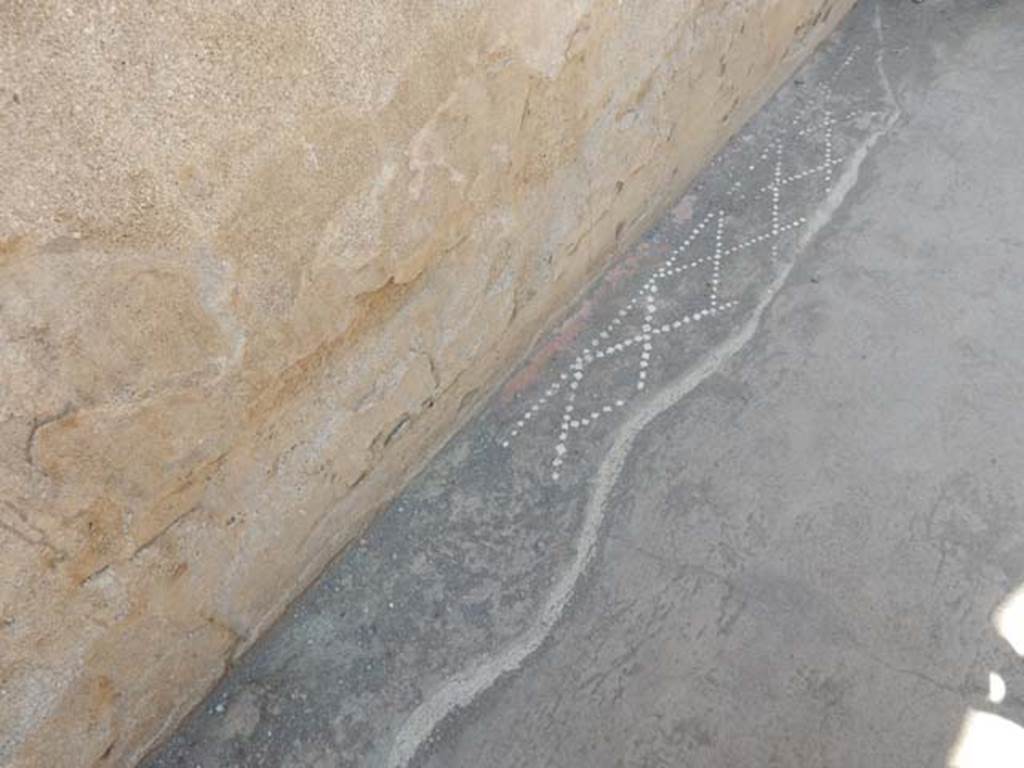
II.2.2 Pompeii. May 2016. Detail of remaining pattern in floor of entrance corridor/fauces 1. Photo courtesy of Buzz Ferebee.
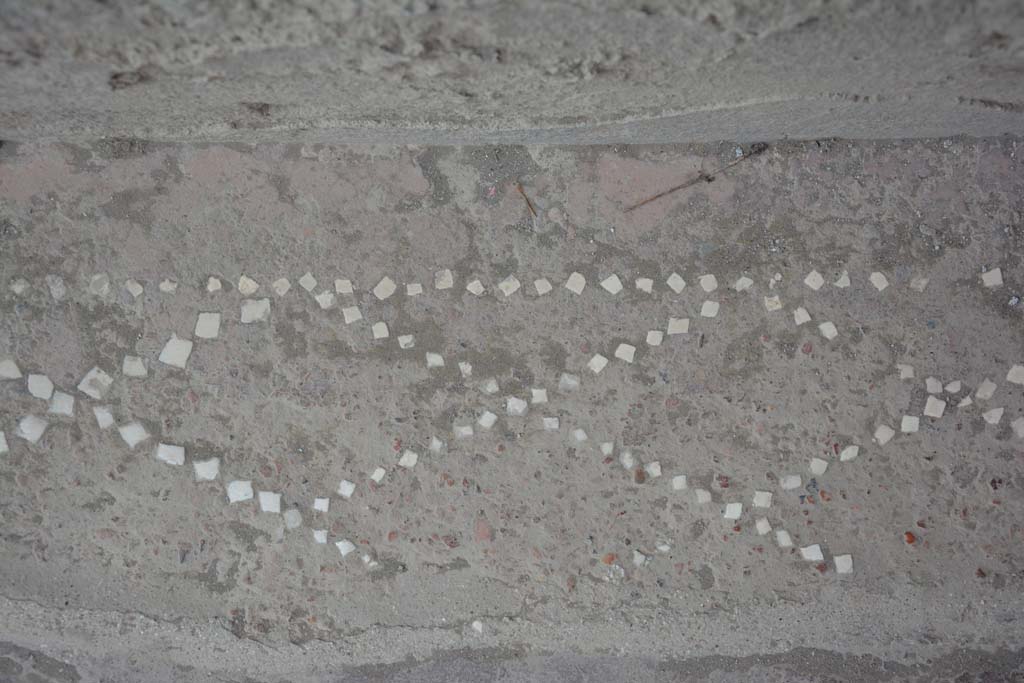
Foto
Annette Haug, ERC Grant 681269 DÉCOR.
Part 1 2 3 4 5 6 7 8 9 10 11 12 13 Plan